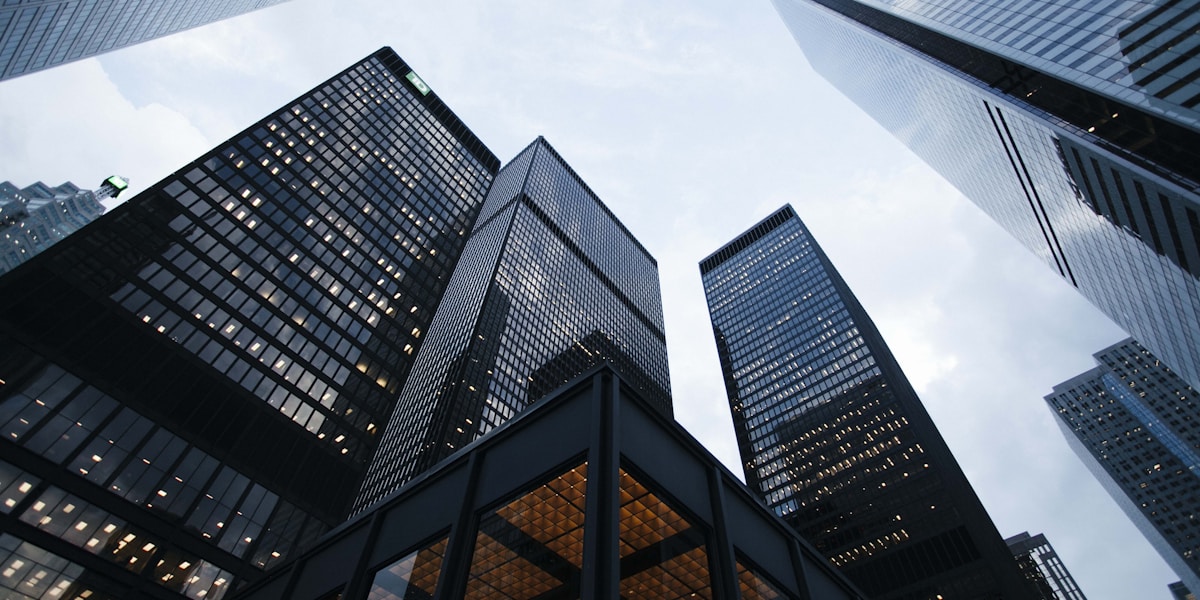
Downtown San Diego Office Vacancy Crisis 2026: East Village & Little Italy $400M Commercial-to-Residential Conversion Blueprint for Pacific Beach Builders
San Diego's downtown office market has reached a historic breaking point. With vacancy rates approaching 36% and approximately 11 high-rise buildings facing foreclosure, the commercial real estate crisis of 2026 presents an unprecedented opportunity for builders, developers, and investors. California's $400M in conversion incentives, combined with SB 6 regulatory enablers and distressed asset pricing, has created what Hughes Marino calls "the worst commercial real estate market in more than 30 years"—and the best repositioning opportunity in a generation.
The Crisis: Downtown Vacancy Hits 36% as Office Market Collapses
San Diego's office market has entered uncharted territory in 2026. According to CBRE's Q1 2026 market report, metro-wide vacancy reached 14.3%, while total availability including sublease space climbed to 19.5%. But these county-wide figures mask the severity of downtown's collapse.
Downtown San Diego faces the most acute distress, with availability approaching 36%, particularly concentrated in East Village and along the Broadway corridor. This represents a dramatic escalation from pre-pandemic norms and signals structural—not cyclical—changes in the commercial real estate market.
David Marino, Senior Executive Managing Director at Hughes Marino, characterized the current environment as "the worst commercial real estate market in more than 30 years—worse than the dot-com crash and worse than the 2008 financial crisis." His assessment carries particular weight given Hughes Marino's 30+ year track record analyzing San Diego commercial real estate cycles.
The distress extends beyond vacancy statistics. Approximately 11 downtown high-rise office buildings are currently facing foreclosure or forced sale, spanning key locations including Broadway, Harbor Drive, East Village, and Little Italy. One notable example: West Ash Operating LLC was hit with a breach-of-contract lawsuit in San Diego Superior Court over missing payments on their $33 million loan for a Little Italy tower, with the lender claiming the owner has not made payments since March 2025.
Perhaps the most dramatic signal of downtown's decline: The Irvine Company's complete exit from the San Diego office market in 2025. The real estate titan sold One America Plaza—San Diego's tallest building—for $120 million, representing a 60% discount from the $300 million paid in 2006. When one of California's most sophisticated commercial landlords exits at a 60% loss, the message is clear: traditional office investment models are broken.
The underlying driver is permanent structural change in workplace patterns. Companies now require 30-40% less office space than pre-pandemic levels due to hybrid work adoption, remote work normalization, and suburban office preferences. Q1 2026 marked the first quarter of positive net absorption (16,231 square feet) since Q4 2024, but this modest gain represents stabilization, not recovery. Hughes Marino projects these conditions will persist for 3-5 years.
The Downtown San Diego Opportunity: 707 Broadway Signals Multi-Year Conversion Boom
While the office crisis devastates traditional landlords, it creates an extraordinary repositioning opportunity for builders and developers with residential expertise. The flagship project signaling this transformation: 707 Broadway, an 18-story office tower purchased by Vintage Housing for $21 million in December 2025.
The 707 Broadway repositioning exemplifies the new economics of downtown San Diego. Vintage Housing acquired the 1962-era tower and immediately announced plans to convert it into 200 residential units (142 one-bedroom, 58 two-bedroom) targeting low- and very-low-income families. Construction began in March 2025, with residential occupancy expected in late 2026 or early 2027—an 18-30 month transformation timeline.

The project's significance extends beyond its scale. Vintage Housing, an affordable housing specialist, represents institutional capital entering the transformation market. Their business model leverages Low Income Housing Tax Credits (LIHTC), state grants, and potentially SANDAG funding to make the economics work at affordable rent levels.
The 707 Broadway plans include innovative programming beyond residential units: live-work artist lofts on the ground floor, space for after-school programs, fitness center, game room, meeting room, and bike storage. This mixed-use approach maximizes the building's downtown location while serving community needs.
Market experts project that San Diego could transform 2,000-5,000 distressed office units into residential housing over the next five years, with the majority concentrated in downtown's most walkable, transit-rich neighborhoods: East Village near Petco Park, Little Italy with its restaurant and lifestyle amenities, and the Broadway/Harbor Drive corridors.
Funding Sources: How to Access $400M in California Conversion Incentives
California has positioned itself as a national leader in office-to-residential conversion policy, allocating $400 million in incentives through its 2022 budget. For builders and developers pursuing conversion projects, understanding this funding landscape is critical.
The primary state program channels $400 million through the California Department of Housing and Community Development's (HCD) Infill Infrastructure Grant Catalytic Qualifying Infill Area Program. Of this total, $105 million is specifically designated as grants toward affordable housing transformations. The remaining funds support infrastructure improvements, site preparation, and related project costs.
Funding allocation breaks down as follows: roughly $90 million in grants are set aside for large jurisdictions (cities and counties with 250,000+ population), while $15 million targets small jurisdictions. San Diego, as a major metropolitan area, qualifies for the large jurisdiction allocation.
At the regional level, SANDAG distributed $55 million through its TransNet Smart Growth Incentive Program (SGIP) Cycle 6 in January 2026, the largest funding cycle in program history. While these funds primarily target transportation infrastructure and complete street improvements rather than direct office repositioning subsidies, adaptive reuse projects located in transit-oriented areas may qualify for related infrastructure grants. The 36 funded projects must start construction in 2026 and complete within 42 months.
The LIHTC program remains the most powerful financing tool for affordable housing redevelopment. Projects can access both 9% competitive credits (highest subsidy, most competitive) and 4% as-of-right credits (lower subsidy, more predictable). The 707 Broadway project likely leverages LIHTC to make its affordable housing model financially viable.
Additional funding sources include:
- HCD's Multifamily Housing Program: $230 million available for new construction, rehabilitation, and conversion of permanent and transitional rental housing for lower-income households
- Prohousing Incentive Program: Grants paired with HCD's Prohousing Designation to accelerate residential development
- Conventional construction loans: Available but typically at lower loan-to-value ratios (60-70% vs. 80%+ for traditional residential) due to conversion risk and execution uncertainty
- Mezzanine debt and bridge financing: Commonly used for distressed office acquisitions, providing higher leverage in exchange for premium interest rates
For market-rate conversions without affordable components, conventional construction lending and private equity are the primary capital sources. Builders with strong track records in multifamily construction will find lenders more receptive than office-focused borrowers.
SB 6 and Regulatory Enablers: How By-Right Conversions Work
California Senate Bill 6, known as the Middle Class Housing Act of 2022, fundamentally changed the regulatory framework for office-to-residential transformations. Understanding SB 6's provisions—and its limitations—is essential for builders evaluating repositioning opportunities.
SB 6 allows residential or mixed-use projects on commercially-zoned properties where office, retail, or parking are permitted uses. The legislation took effect July 1, 2023 and remains active until January 1, 2033, providing a ten-year window for adaptive reuse projects.
The critical advantage: SB 6 provides an alternative discretionary review process that is faster and more predictable than traditional residential entitlements. For projects that don't meet the more stringent requirements of AB 2011 (which offers ministerial by-right approval for 100% affordable and qualifying mixed-income projects), SB 6 offers a streamlined path.
However, adoption has been slower than anticipated. A February 2025 YIMBY Law report found that in 2024, only eight AB 2011 projects were approved statewide, while zero projects used SB 6. The limited uptake reflects SB 6's labor requirements and the reality that many developers find local entitlement processes more flexible than SB 6's state-mandated framework.
The City of San Diego has developed its own Office to Residential Transformation Program, which often provides more attractive incentives than state programs. City benefits include:
- Fee waivers or reductions for repositioning projects
- Expedited permit processing (priority plan review)
- Flexibility on certain development standards (parking requirements, unit size minimums, etc.)
- Streamlined CEQA environmental review for downtown redevelopment
The practical takeaway for builders: the regulatory environment is more supportive of adaptive reuse than at any point in California history, but navigating the overlapping city, state, and federal programs requires careful planning. Projects should evaluate whether city entitlements, SB 6, or AB 2011 provides the optimal path based on project specifics (affordable percentage, labor requirements, timeline urgency).
Downtown San Diego Conversion Economics: Costs, Timeline, and ROI Analysis
Office-to-residential repositioning offers compelling economics compared to ground-up residential construction, but success requires understanding the unique cost structure and timeline advantages.
Adaptive reuse costs typically range from $300,000 to $500,000+ per unit, depending on building age, MEP infrastructure condition, and finish quality. San Diego transformations average approximately $531 per square foot—about 60% higher than similar projects in Texas but comparable to other California markets and lower than San Francisco.
A SPUR/Urban Land Institute San Francisco study estimated repositioning project costs between $472,000 and $633,000 per unit including labor and materials, but excluding seismic upgrades that may be required for older structures. For San Diego's office inventory, seismic concerns are less acute than San Francisco but should still be evaluated for pre-1980s buildings.
The acquisition opportunity is where repositioning economics become compelling. With distressed office buildings trading at 40-60% below replacement cost (as evidenced by One America Plaza's 60% discount), developers can achieve total project costs 20-35% below ground-up residential construction.
Timeline advantages amplify the economic case. Office repositioning typically requires 18-30 months from acquisition to certificate of occupancy, compared to 36-48 months for ground-up residential projects. This accelerated timeline reduces carrying costs, interest expense, and market risk while generating revenue 12-18 months earlier.
Permit timelines favor adaptive reuse over new construction. The City of San Diego's Office to Residential Transformation Program provides ministerial approval for qualifying projects, meaning weeks rather than months of discretionary review. This predictability reduces entitlement risk and enables faster construction financing commitments.
The ROI calculus depends heavily on acquisition price and exit strategy:
- Affordable housing model (707 Broadway approach): Lower rents offset by LIHTC, state grants, and reduced acquisition cost. Developer/builder profit comes from development fees and sale to permanent affordable housing owner.
- Market-rate rental: Achieves market rents ($2.50-$3.50/SF for downtown studios/1-bedrooms) with lower basis than new construction, generating superior cash-on-cost returns (7-9% stabilized vs. 5-6% for new construction).
- For-sale condominiums: Challenging in downtown San Diego given limited condo buyer demand, but possible for premium locations (Little Italy, Harbor Drive waterfront).
The critical variables determining repositioning feasibility: acquisition price, MEP infrastructure condition, and floorplate depth (window access for all units).
Technical Challenges: MEP, Structural, and Code Compliance
The engineering and construction challenges of office-to-residential repositioning differ fundamentally from ground-up residential work. For Pacific Beach builders expanding into the adaptive reuse market, understanding these technical requirements is essential.
HVAC Systems: Office buildings typically use central HVAC systems with large air handlers and minimal zone control. Residential code requires individual unit control, meaning extensive ductwork modifications or complete system replacement. The solution varies by building: some transformations install mini-split systems (expensive but flexible), others retrofit existing duct risers with new individual units, and newer buildings may adapt existing VAV systems. HVAC repositioning typically consumes 15-25% of total project costs.
Plumbing Infrastructure: Office buildings lack the plumbing density required for residential units with full kitchens and bathrooms. Most office buildings have plumbing only at core restrooms, requiring extensive new risers and horizontal distribution. This represents one of the most expensive and technically complex repositioning challenges. Buildings constructed before World War II often have more favorable plumbing configurations since their HVAC and plumbing systems are due for replacement anyway, making full gut renovations cost-effective.
Electrical Systems: Office electrical loads differ from residential requirements. Redevelopment projects must add individual 200-amp panels per unit, upgrade main service capacity, and install metering infrastructure for individual units. Kitchen appliance loads (ranges, dishwashers, refrigerators) exceed typical office loads, often requiring service upgrades.
Structural Considerations: Generally favorable. Office floor load requirements (80-100 PSF live load) exceed residential requirements (40-50 PSF), meaning existing structures typically have excess capacity. Structural work focuses on new openings for residential unit layouts, stairs for two-story units, and potential balcony additions.
Natural Light and Unit Layout: The most challenging aspect for deep floorplate office buildings. Residential code and market expectations require natural light in living areas and bedrooms. Buildings with floorplate depths exceeding 60 feet may struggle to create viable unit layouts without interior bedrooms (non-code-compliant) or single-loaded corridors (inefficient). Pre-WWII buildings with narrower floorplates and more windows prove more adaptable.
Life Safety and Egress: Residential codes often impose more stringent life safety requirements than commercial codes. Adaptive reuse projects must evaluate fire sprinkler coverage (residential requires in-unit sprinklers), egress distances, and corridor widths. Some buildings require fire rating upgrades for corridor walls and door assemblies.
Title 24 Energy Compliance: California's Title 24 Part 6 (energy efficiency) applies different standards to residential vs. commercial buildings. Transformations must meet current residential energy standards, potentially requiring upgraded windows, insulation, and HVAC efficiency. The investment often pays back through reduced operating costs and higher tenant appeal.
MEP systems typically consume 50-60% of total repositioning budgets. For builders without commercial MEP experience, partnering with specialized mechanical/electrical contractors is essential. The 707 Broadway project likely required comprehensive MEP replacement given the building's 1962 vintage.
Geographic Priorities: Where to Focus Conversion Opportunities
Not all downtown San Diego submarkets offer equal conversion potential. Builders should prioritize areas with strong residential demand fundamentals, walkable amenities, and distressed office inventory.

Broadway Corridor (Highest Priority): The stretch from Kettner Boulevard to 10th Avenue contains the highest concentration of distressed office buildings. The 707 Broadway project anchors this corridor. Proximity to the Santa Fe Depot transit hub, multiple trolley lines, and pedestrian connections to the waterfront make this area ideal for transit-oriented residential. Acquisition opportunities abound as multiple buildings face foreclosure or forced sale.
East Village (High Priority): Strong residential demand driven by Petco Park proximity, Gaslamp Quarter dining/entertainment, and recent multifamily development. Several distressed office buildings between J Street and Market Street present conversion opportunities. The neighborhood's urban walkability and existing residential density support market-rate rental conversions. East Village achieves premium residential rents ($2.80-$3.50/SF) that support conversion economics.
Little Italy (Premium Opportunity): Commands the highest residential price per square foot in downtown San Diego, driven by restaurant density, lifestyle amenities, and waterfront access. Limited distressed office inventory relative to other submarkets, but buildings that do convert can achieve premium market-rate rents ($3.20-$4.00/SF) or for-sale pricing. One Little Italy office tower currently faces foreclosure over a $33 million loan default, representing a potential acquisition target.
Harbor Drive Corridor (Selective Opportunity): Office towers along Harbor Drive offer waterfront views but face challenges including isolated locations (pedestrian connectivity challenges) and larger building scale (requiring more capital). Best suited for experienced developers with significant equity. Could support luxury rental or for-sale condo conversions given view premiums.
Suburban Office Parks (Avoid): While San Diego County suburban office vacancy reached 14.3%, these buildings poorly suit residential conversion. Auto-dependent locations, poor walkability, horizontal building layouts (vs. vertical urban towers), and lack of residential amenities make suburban conversions economically challenging. Focus on urban core opportunities.
The geographic strategy for Pacific Beach builders: start with Broadway corridor opportunities to gain conversion experience, then expand to higher-value East Village and Little Italy projects. The skills developed in Pacific Beach's residential market—coastal-quality finishes, efficient multifamily layouts, and premium construction details—transfer directly to downtown conversions.
Market Intelligence: Who's Buying Distressed Office Buildings
Understanding the competitive landscape helps builders and investors position their conversion strategies effectively. Several distinct buyer profiles are emerging in San Diego's distressed office market:
Affordable Housing Developers (Vintage Housing Model): The 707 Broadway acquisition demonstrates this approach. Affordable housing developers leverage LIHTC, state conversion grants, and long-term rental operations to make conversions pencil at below-market rents. These buyers can pay more than market-rate developers because subsidy programs improve returns. Competition is increasing as affordable developers recognize the opportunity.
Market-Rate Apartment Developers: Traditional multifamily developers seeking to expand urban residential portfolios. These buyers focus on buildings with favorable conversion economics (good bones, not too deep floorplates, strong locations). They typically operate on thinner margins than affordable developers and require steeper acquisition discounts.
Real Estate Private Equity (Opportunistic Funds): Out-of-market institutional buyers seeking value-add opportunities. Often partner with local developers/operators for market knowledge and execution. Can close quickly with all-cash, making them competitive on distressed sales. Typically target larger buildings ($20M+ acquisition) to justify transaction costs.
Hotel Operators: Exploring mixed-use conversions combining short-term hospitality with residential components. Downtown San Diego's tourism appeal supports this approach, particularly for buildings with ground-floor retail potential. Regulatory path more complex than pure residential but can achieve higher per-square-foot revenues.
Local Developers with Residential Expertise: San Diego-based builders and developers leveraging local market knowledge, city relationships, and residential construction experience. Often structure joint ventures with capital partners. This profile best describes the opportunity for Pacific Beach Builder—bringing residential expertise to commercial repositioning.
Out-of-State Investors Seeking California Entry: California housing fundamentals (limited supply, strong demand, high barriers to new construction) attract outside capital. These buyers overpay due to unfamiliarity with local costs and regulations but create acquisition competition.
For Pacific Beach builders, the strategic approach is partnership: team with affordable housing developers (providing construction expertise and local relationships) or identify acquisition opportunities and syndicate equity from private investors seeking value-add exposure.
Pacific Beach Builder Opportunity: Expanding Into Downtown San Diego Commercial Repositioning
Pacific Beach builders possess unique advantages for capturing office conversion opportunities. The skills, relationships, and market positioning developed in coastal residential construction translate directly to downtown conversions.
Skills Transfer: Residential construction expertise—particularly multifamily and ADU experience—applies to conversion unit layouts, MEP coordination, and finish specifications. Coastal projects demand high-quality finishes and attention to detail that match premium downtown market expectations. Builders accustomed to working within constrained coastal sites adapt well to retrofit challenges.
Unit Mix Familiarity: Downtown conversions typically deliver studios through 2-bedroom units, matching Pacific Beach multifamily and coastal condo projects. Efficient layouts maximizing limited square footage are core competencies. Kitchen and bathroom design approaches transfer directly.
Premium Finishes: Downtown market-rate conversions require finishes comparable to new coastal construction: quartz countertops, stainless appliances, luxury vinyl plank flooring, contemporary fixtures. Pacific Beach builders already specify and install these materials, eliminating a learning curve.
MEP as Specialized Opportunity: While the MEP complexity of conversions differs from ground-up residential work, it represents a learnable specialization. Builders who develop conversion MEP expertise—or partner with specialized subcontractors—can command premium fees for this technical knowledge. The 707 Broadway project required comprehensive mechanical, electrical, and plumbing redesign; few San Diego contractors possess this experience, creating competitive advantage for those who invest in developing it.
Relationship Building: Distressed office owners need trusted residential contractors to evaluate conversion feasibility and execute projects. Pacific Beach builders with strong reputations and local relationships can position themselves as the residential experts downtown office owners need. Business development should target commercial brokers, distressed asset lenders, and property owners facing vacancies.
Revenue Diversification: Expanding into downtown conversions creates revenue streams independent of coastal residential market cycles. When coastal permitting slows or market demand softens, downtown conversion work provides portfolio balance. The 3-5 year duration of downtown's distress (per Hughes Marino projections) offers sustained opportunity for diversifying your construction portfolio with advanced commercial projects.
The go-to-market strategy: identify a small conversion opportunity (5,000-10,000 SF, 8-15 units) to demonstrate capability, build relationships with affordable housing developers and commercial brokers, develop case studies showcasing residential conversion expertise, and scale into larger projects. The 707 Broadway project proves the market is active—now is the time to enter.
Next Steps: Positioning Your Business for Conversion Opportunities
For builders and developers ready to capitalize on San Diego's office conversion opportunity, systematic positioning and relationship-building are essential.
1. Build Relationships with Stakeholders: Connect with commercial brokers handling distressed office sales, particularly those listing Broadway corridor and East Village properties. Attend San Diego commercial real estate events and Downtown San Diego Partnership meetings. Introduce yourself to lenders' special assets departments managing foreclosed properties. These relationships generate proprietary deal flow before properties reach public market.
2. Attend Policy and Planning Meetings: SANDAG board meetings, City of San Diego planning department sessions, and downtown revitalization forums on streamlined development approvals provide early intelligence on funding programs, regulatory changes, and city priorities. Understanding where public investment is directed helps identify areas with strongest conversion support.
3. Partner with Affordable Housing Developers: The Vintage Housing model demonstrates that affordable conversions can succeed where market-rate projects struggle. Reach out to affordable housing developers active in San Diego and offer construction expertise, local relationships, and execution capability. Joint ventures split profits while diversifying risk.
4. Develop MEP Expertise or Partnerships: Tour completed conversion projects to understand MEP approaches. Partner with commercial mechanical and electrical contractors who've executed conversions. Consider hiring or consulting with architects specializing in adaptive reuse. Technical capability differentiates credible builders from those merely interested.
5. Study 707 Broadway as Blueprint: Monitor construction progress, review city permits (public records), and analyze the project's affordable housing structure. This flagship conversion provides the template for future projects. Understanding Vintage Housing's approach—LIHTC financing, unit mix, amenity programming, construction timeline—informs your own project planning.
6. Monitor Distressed Asset Sales: Track courthouse foreclosure notices, CoStar distressed property listings, and commercial broker announcements. Early awareness of upcoming sales provides time to conduct due diligence, arrange financing, and prepare competitive offers. The 11 downtown buildings currently in distress represent immediate opportunities.
7. Evaluate Financial Capacity: Conversions require more working capital than builder-for-hire residential projects. If pursuing ownership positions, arrange credit lines, equity partners, or joint venture structures. Even as a contractor, conversions often involve longer payment schedules and more retention than traditional residential construction projects.
8. Leverage California HCD Funding: Review current grant programs on the HCD website (hcd.ca.gov) and monitor upcoming funding rounds. While competitive, securing state grants dramatically improves project economics. Consider hiring a grant consultant for complex applications.
The San Diego office conversion opportunity will persist for 3-5 years according to market experts, but first-mover advantages accrue to builders who establish conversion track records and relationships now. By the time the distress is obvious to everyone, the best buildings will be acquired and the most valuable relationships claimed.
Conclusion: A Generational Downtown San Diego Repositioning Opportunity
San Diego's downtown office crisis represents the worst market conditions in three decades—and the best repositioning opportunity in a generation. With 36% vacancy, 11 high-rises in distress, $400 million in state conversion incentives, and regulatory frameworks enabling by-right conversions, all the elements align for massive downtown transformation.
The 707 Broadway project signals the beginning of this shift. As construction progresses and 200 affordable units come online in late 2026, the success of this flagship conversion will validate the model and attract additional capital. Market projections of 2,000-5,000 converted residential units over five years seem not only achievable but likely conservative given the scale of downtown's distress.
For Pacific Beach builders, this represents an opportunity to expand beyond coastal residential markets into commercial repositioning. The skills developed in premium residential construction—quality finishes, efficient layouts, complex MEP coordination—transfer directly to downtown conversions. The relationships built in San Diego's development community provide access to deals and partnerships. The reputation for execution excellence positions builders as the residential experts downtown property owners need.
The window is open. Office landlords are distressed. Capital is available through LIHTC, state grants, and conventional financing. Regulations support streamlined conversions. Acquisition pricing reflects 40-60% discounts to replacement cost. The ingredients for exceptional returns are aligned.
The question is not whether downtown San Diego will transform from office to residential—the market forces are irresistible. The question is which builders and developers will capture the opportunity, establish conversion track records, and position themselves as the experts in this generational market shift. Those who act now, build relationships, develop technical expertise, and execute the first projects will dominate this market for the next five years.
Based in Pacific Beach near Tourmaline Surfing Park, Pacific Beach Builder has built a reputation for quality coastal construction throughout Pacific Beach, La Jolla, Mission Beach, and Bird Rock. The same attention to detail, premium finishes, and efficient unit layouts that define our Pacific Beach residential projects translate directly to downtown San Diego's conversion market.
Pacific Beach Builder brings the residential expertise, local market knowledge, and construction quality that downtown conversion projects demand. The opportunity to expand into commercial repositioning starts with understanding the market dynamics, funding sources, regulatory framework, and technical requirements outlined in this guide. The next step is identifying your first conversion opportunity and assembling the team to execute it.
Frequently Asked Questions: San Diego Office Conversions
What is causing San Diego's office vacancy crisis in 2026?
San Diego's downtown office vacancy reached 36% in 2026 due to permanent structural changes in workplace patterns. Companies now require 30-40% less office space than pre-pandemic levels because of hybrid work adoption, remote work normalization, and preference for suburban offices. This is not a cyclical downturn but a fundamental shift in how Americans work. Hughes Marino projects these conditions will persist for 3-5 years, making this worse than the dot-com crash or 2008 financial crisis.
How much does it cost to convert an office building to residential in San Diego?
San Diego office-to-residential conversions typically cost $300,000 to $500,000+ per unit, or approximately $531 per square foot. This is about 60% higher than similar projects in Texas but comparable to other California markets and lower than San Francisco. Total project costs are 20-35% below ground-up residential construction when factoring in discounted acquisition prices for distressed office buildings (40-60% below replacement cost). MEP systems consume 50-60% of the total conversion budget.
What is the 707 Broadway project and why is it significant?
707 Broadway is an 18-story office tower purchased by Vintage Housing for $21 million in December 2025 and being converted into 200 residential units (142 one-bedroom, 58 two-bedroom) for low- and very-low-income families. Construction began March 2025 with occupancy expected in late 2026. It's significant as the first major downtown San Diego office-to-residential conversion, proving the model works and signaling that institutional capital is entering this market. The project serves as a blueprint for future conversions.
How does California's SB 6 help office-to-residential conversions?
Senate Bill 6 (Middle Class Housing Act of 2022) allows residential or mixed-use projects on commercially-zoned properties where office, retail, or parking are permitted uses. Active from July 1, 2023 until January 1, 2033, SB 6 provides an alternative discretionary review process that's faster and more predictable than traditional residential entitlements. However, adoption has been slow—only 8 projects used related AB 2011 in 2024, and zero used SB 6, due to labor requirements. The City of San Diego's local Office to Residential Conversion Program often provides more attractive benefits including fee waivers, expedited processing, and flexibility on development standards.
Where are the best office conversion opportunities in downtown San Diego?
The Broadway corridor from Kettner Boulevard to 10th Avenue offers the highest concentration of distressed office buildings and best conversion opportunities. East Village ranks second due to strong residential demand near Petco Park and premium rents ($2.80-$3.50/SF). Little Italy commands the highest price per square foot ($3.20-$4.00/SF) but has limited distressed inventory. Harbor Drive offers waterfront views but faces isolated locations and larger building scale. Suburban office parks should be avoided—auto-dependent locations and horizontal layouts make conversion economics poor.
What funding is available for office-to-residential conversions?
California allocated $400 million in conversion incentives, including $105 million in grants for affordable housing conversions through HCD's Infill Infrastructure Grant program. SANDAG distributed $55 million through its Smart Growth Incentive Program Cycle 6 in January 2026 for related infrastructure. Low Income Housing Tax Credits (LIHTC) provide 9% competitive credits or 4% as-of-right credits for affordable components. HCD's Multifamily Housing Program offers $230 million for conversions. Conventional construction loans are available at 60-70% LTV, with mezzanine debt and bridge financing common for acquisitions.
What are the biggest technical challenges in office conversions?
HVAC conversion from central office systems to individual residential unit control (15-25% of project costs). Plumbing infrastructure requires extensive new risers since offices lack kitchen/bathroom density in units. Electrical systems need upgrades for 200-amp panels per unit and kitchen appliance loads. Natural light and unit layout present challenges for buildings with floorplate depths exceeding 60 feet—residential code requires natural light in living areas and bedrooms. Life safety and egress codes are often more stringent for residential than commercial. Pre-WWII buildings with narrower floorplates and existing plumbing due for replacement often prove most cost-effective to convert.
How long does an office-to-residential conversion take?
Office conversions typically require 18-30 months from acquisition to certificate of occupancy, compared to 36-48 months for ground-up residential construction. This 12-18 month timeline advantage reduces carrying costs, interest expense, and market risk while generating revenue sooner. The City of San Diego's Office to Residential Conversion Program provides ministerial approval for qualifying projects, meaning weeks rather than months of discretionary review. SANDAG-funded projects must complete within 42 months of construction start.
Who is buying distressed office buildings in San Diego?
Affordable housing developers like Vintage Housing leverage LIHTC and state grants to make conversions work at below-market rents. Market-rate apartment developers seek buildings with favorable conversion economics and strong locations. Real estate private equity opportunistic funds target larger buildings ($20M+ acquisition) with value-add potential. Hotel operators explore mixed-use conversions. Local developers with residential expertise bring market knowledge and execution capability. Out-of-state investors seeking California entry create additional acquisition competition but often overpay due to unfamiliar with local costs.
Why did the Irvine Company exit San Diego's office market?
The Irvine Company sold its final downtown San Diego office asset—One America Plaza—in 2025 for $120 million, a 60% discount from the $300 million paid in 2006. This dramatic loss signaled low confidence in central business district recovery and recognition that traditional office investment models are broken due to permanent hybrid/remote work shifts. When one of California's most sophisticated commercial landlords exits at a 60% loss after exiting all downtown holdings, it confirms the severity of the structural changes affecting office real estate.
Related Resources
- BIM construction skills and wage premiums - Advanced construction technology for commercial conversion projects
- San Diego construction market forecast through 2029 - Broader commercial construction trends
- Downtown San Diego high-rise housing streamlined approval - Related downtown housing development opportunities
References and Sources
1. San Diego Office Vacancy Crisis 2026: What Commercial Property Owners Need to Know. Accessed 2026-06-11.
2. San Diego Downtown Office Market Is Epicenter of Stress. GlobeSt. Accessed 2026-06-11.
3. San Diego Office Market Report: Q1 2026. IPG. Accessed 2026-06-11.
4. The Worst Commercial Real Estate Market in 30 Years: What Office & Industrial Tenants Must Know in 2026. Hughes Marino San Diego. Accessed 2026-06-11.
5. Downtown SD Office Conversion: 707 Broadway Impact. Accessed 2026-06-11.
6. Office to Residential Conversions. City of San Diego Official Website. Accessed 2026-06-11.
7. Infrastructure, climate projects receive $55M boost from SANDAG sales tax funds. Times of San Diego. Accessed 2026-06-11.
8. SANDAG Board awards $55 million in funding for capital and planning projects. Mass Transit. Accessed 2026-06-11.
9. Office-to-housing conversion initiatives proliferate in California. Multifamily Dive. Accessed 2026-06-11.
10. SB 6: California Legislative Initiatives Pave the Way for Residential Expansion in Commercial Zones. USC Business Law Digest. Accessed 2026-06-11.
11. Owner of Little Italy tower faces foreclosure over $33 million on past-due loan. Times of San Diego. Accessed 2026-06-11.
12. California's $400 Million Office-To-Housing Conversion Fund Lures Investor Applicants. CoStar. Accessed 2026-06-11.
13. California's $400 Million Office-To-Housing Conversion Fund: Grants for Financial Feasibility. OpenScope Studio. Accessed 2026-06-11.
14. Office-to-Residential Conversion in San Francisco's Downtown. SPUR. Accessed 2026-06-11.
15. Irvine Company Sells Its Final San Diego Office Tower for 60% Discount. Commercial Observer. Accessed 2026-06-11.
16. Irvine Co. Exits Downtown San Diego. Kidder Mathews. Accessed 2026-06-11.
This article provides general information about commercial-to-residential conversions, office market conditions, financing programs, and regulatory frameworks for educational purposes. Real estate markets, construction costs, funding availability, and regulatory requirements can change significantly. Office conversion projects involve substantial financial, technical, and regulatory complexity. Always consult with qualified professionals—commercial real estate brokers, construction consultants, architects specializing in adaptive reuse, financing specialists, and legal counsel—before pursuing office conversion opportunities. Pacific Beach Builder provides professional construction services with expertise in multifamily residential construction, MEP coordination, and quality finish work throughout Pacific Beach, La Jolla, Mission Beach, and San Diego County.