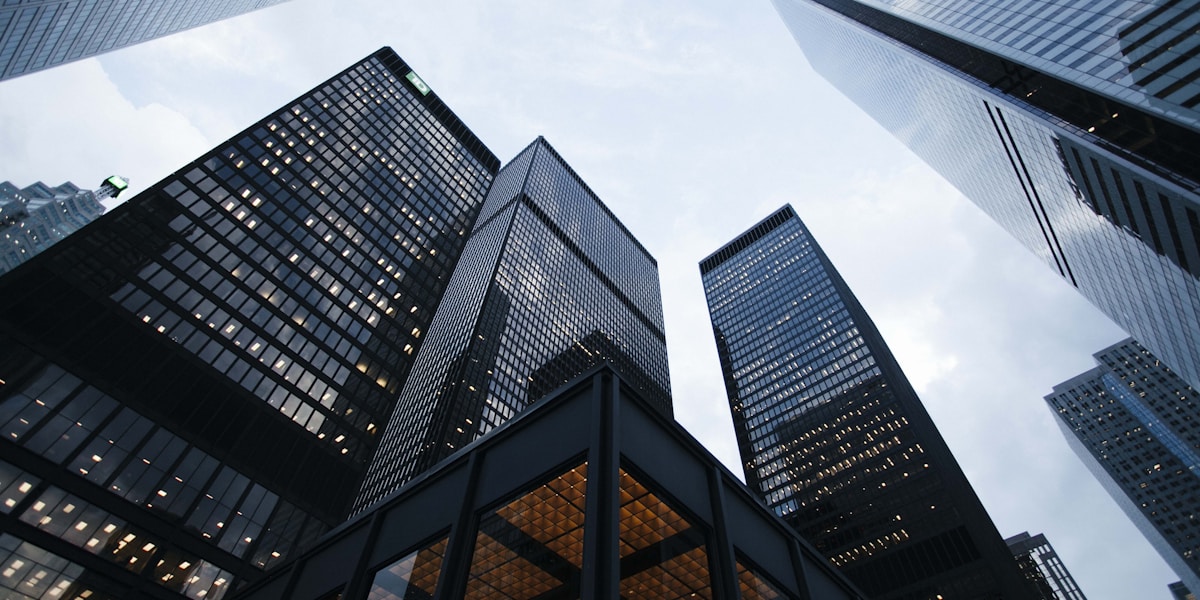
AB 2074: Downtown San Diego High-Rise Housing Revolution - What Pacific Beach Builders Need to Know
Assemblymember Matt Haney's AB 2074, introduced April 13, 2026, could transform downtown San Diego by streamlining high-rise affordable housing approvals and creating a $500 million revolving fund for low-interest developer loans. With downtown office vacancy at 33%, the bill targets underutilized urban cores near transit hubs. For Pacific Beach builders, this represents a strategic expansion opportunity into downtown mixed-use and high-rise residential markets—leveraging coastal construction expertise in a new geographic territory with state-backed financing.
What is AB 2074 and Why Does It Matter for Pacific Beach Builders?
On April 13, 2026, California Assemblymember Matt Haney unveiled Assembly Bill 2074—the Downtown Revitalization Act—in downtown San Diego, sending a clear signal that the state's second-largest city is at the epicenter of California's urban housing transformation.
The bill has four game-changing components for construction professionals:
1. Regional Transit Hub Districts: California's seven largest cities—including San Diego—must designate regional transit hub districts in their urban cores by July 1, 2027. These are contiguous areas of at least 0.25 square miles containing major transit stops where high-density housing becomes an allowed use.
2. Streamlined Ministerial Approval: Projects within these districts become eligible for streamlined, ministerial approval under existing density bonus provisions, eliminating the discretionary local review process that can delay or kill projects.
3. Enhanced Development Standards: The bill establishes a 150-foot height baseline, with at least 25% of each district allowing buildings of 450 feet or more. Minimum floor area ratios start at 6.0 (with 25% of the district allowing 12+), and minimum density is set at 200 dwelling units per acre.
4. $500 Million Revolving Loan Fund: The Downtown Revitalization Loan Fund, administered by the California Housing Finance Agency (CalHFA), provides low-interest loans covering up to 30% of qualifying project costs.
For Pacific Beach builders, this represents more than just another piece of Sacramento legislation. It's a strategic expansion opportunity into downtown San Diego's high-rise market, just 12 miles south of your primary service area, with direct state financing and streamlined permitting.
"Downtowns are actually some of the best places to build housing," Haney emphasized during the bill's San Diego announcement, pointing to the vacancy crisis creating unprecedented redevelopment potential.
Downtown San Diego's 33% Office Vacancy Crisis Creates Housing Opportunity
The numbers tell a stark story. Downtown San Diego's office vacancy rate sits at approximately 33% as of early 2026, with some estimates reaching 35% or higher when including shadow space (sublease space not yet officially marketed). When shadow space is factored in, the effective vacancy rate climbs to between 40% and 50%.
This represents the highest vacancy level recorded by CoStar in more than 20 years, making downtown San Diego the epicenter of office market stress in the region.
The Post-Pandemic Reality
Remote work fundamentally reshaped downtown San Diego's commercial real estate landscape. As Haney noted, "Office vacancy is still up. Foot traffic is down." The pandemic-driven shift to work-from-home arrangements created a structural oversupply of office space that shows no signs of reversing.
But what's a crisis for commercial landlords is an opportunity for residential developers.
Transit Hub Advantage
Downtown San Diego's 12th & Imperial Transit Center—the MTS' busiest transit hub—offers direct access to three major trolley lines and numerous bus routes. The facility is planned for expansion between 2026 and 2027 to increase bus capacity, provide special event platform service, and enhance passenger amenities.
AB 2074 specifically targets these transit-rich environments. San Diego Mayor Todd Gloria, supporting the bill, noted: "This bill takes the next step by turning underused spaces into homes" near jobs and transit, emphasizing that downtowns generate disproportionate tax revenue despite occupying minimal land.
Market Demand Analysis
The contrast is striking:
- Downtown office vacancy: 33%+
- San Diego County residential inventory: 2.9 months (Q1 2026)
- Downtown housing demand: Strong, particularly for transit-adjacent units
Carol Kim of the San Diego Building and Construction Trades Council stated: "This will be a critical step to putting housing in reach for all California workers." The convergence of underutilized office buildings, transit infrastructure, and housing demand creates ideal conditions for AB 2074's high-rise residential focus.
How AB 2074's Streamlined Approval Process Works
The traditional path to downtown high-rise approval in San Diego involves months—sometimes years—of discretionary review, planning commission hearings, environmental studies, and community meetings. AB 2074 fundamentally changes this calculus.
Ministerial Approval: The Game-Changer
Within designated regional transit hub districts, qualifying projects become eligible for streamlined, ministerial approval. This means if your project meets the objective standards laid out in the bill, city planning departments must approve it—no discretionary review, no lengthy hearings, no subjective denials.
Current Timeline vs. AB 2074 Timeline
| Phase | Traditional Process | AB 2074 Ministerial |
|---|---|---|
| Initial Review | 3-6 months | 30-60 days |
| Environmental Review | 6-18 months | Streamlined/Exempted* |
| Planning Commission | 2-6 months | Not Required |
| City Council Approval | 1-3 months | Not Required |
| Appeals Period | 1-2 months | Limited |
| Total Timeline | 13-35 months | 2-4 months |
*Phase I environmental assessments are still required, and hazardous substance remediation must occur, but projects avoid lengthy CEQA discretionary review processes.
Eligibility Criteria: What Qualifies?
To access AB 2074's streamlined approval, projects must meet these requirements:
Location Requirements:
- Within a designated regional transit hub district (to be defined by San Diego by July 1, 2027)
- Contains transit-oriented development stops with existing high-frequency service
- Minimum district size of 0.5 square miles for cities like San Diego (population 1-2 million)
Development Standards:
- Minimum 60 dwelling units per acre
- Meets or exceeds district minimums (150-foot height in baseline areas; 450+ feet in high-density zones)
- Floor area ratio of at least 6.0 (or 12+ in designated high-density areas)
- Compliance with existing density bonus law provisions
Affordability Mandate:
- Minimum 25% affordable units for lower-income households
- Units must remain affordable for the life of the project
Labor Standards:
- Prevailing wage compliance for all construction workers
- Skilled and trained workforce requirements
- Apprenticeship ratios meeting state standards
For Pacific Beach builders familiar with coastal permit complexity and Coastal Commission navigation, this streamlined process represents a breath of fresh air—objective standards, clear timelines, and ministerial approval.
The $500 Million Revolving Fund: Financing for Developers
AB 2074's financing component distinguishes it from previous streamlining bills. The Downtown Revitalization Loan Fund, administered by CalHFA, provides low-interest loans that can cover up to 30% of qualifying project costs.
How the Revolving Fund Works
Fund Structure:
- Initial capitalization: $500 million (requires 2/3 legislative vote due to appropriation)
- Administered by: California Housing Finance Agency (CalHFA)
- Loan ceiling: Up to 30% of total project costs
- Interest rates: Favorable rates below conventional construction financing (specific rates to be determined by CalHFA upon passage)
Revolving Nature:
As projects reach completion and developers repay loans, capital returns to the fund to finance additional projects. This creates a self-sustaining financing mechanism that extends well beyond the initial $500 million investment.
Eligibility Requirements:
- Project must be a qualifying downtown housing development within a regional transit hub district
- Meets affordability requirements (25% lower-income units)
- Complies with prevailing wage and skilled workforce standards
- Passes Phase I environmental assessment
- Demonstrates financial feasibility with loan component
Interest Rates: The Competitive Advantage
While specific rates won't be set until AB 2074 passes and CalHFA establishes program guidelines, the bill's structure suggests rates significantly below conventional construction financing.
Conventional Construction Financing (2026):
- Commercial construction loans: 7.5%-10% interest
- Bridge financing: 8%-12% interest
- Mezzanine debt: 10%-15% interest
Expected AB 2074 Fund Rates:
- Estimated: 3%-5% interest (based on comparable state housing finance programs)
- Fixed-rate structure likely
- Longer amortization periods than conventional construction loans
On a $50 million project with $15 million in AB 2074 financing (30% of costs), the interest rate differential could save developers $450,000-$750,000 annually—a massive impact on project economics.
Application Process and Timeline
The bill outlines that CalHFA will establish application procedures, but based on existing CalHFA programs, expect:
- Pre-Application Consultation: Developers meet with CalHFA staff to confirm eligibility (1-2 months before formal application)
- Formal Application: Submit project proforma, environmental assessments, affordability plans, labor compliance documentation (30-60 days for review)
- Underwriting: CalHFA analyzes financial feasibility, reviews third-party appraisals (60-90 days)
- Loan Committee Approval: Final loan terms negotiated and approved (30 days)
- Closing and Disbursement: Loan closes concurrent with or shortly after construction financing (30-60 days)
Total Timeline: 5-8 months from initial consultation to funding—significantly faster than traditional affordable housing tax credit financing, which can take 18-24 months.
How Pacific Beach Builders Can Access This Capital
The fund is not limited to large-scale developers. Mid-sized construction firms with downtown project opportunities can access AB 2074 financing by:
1. Direct Developer Application: If your firm is developing (not just building) projects, apply directly to CalHFA once guidelines are established.
2. Joint Venture Partnerships: Partner with experienced affordable housing developers who secure AB 2074 financing, while your firm provides construction expertise and local knowledge.
3. Design-Build Arrangements: Structure design-build contracts where you take equity positions in projects financed through the fund.
4. Build-to-Core Strategies: Develop projects to stabilized occupancy, then refinance long-term with AB 2074 loans replacing construction debt.
The key is positioning your firm now—before the July 1, 2027 district designation deadline—to capitalize when financing becomes available.
From Coastal Construction to Urban High-Rise: Skills Translation
Pacific Beach builders might wonder: "Can our coastal construction expertise translate to downtown high-rise work?" The answer is a resounding yes, with important caveats.
Regulatory Navigation: Your Competitive Advantage
If you've successfully navigated California Coastal Commission permits, you've mastered one of the state's most complex regulatory environments. Consider the parallels:
| Coastal Projects | Downtown High-Rise |
|---|---|
| Coastal Development Permits | City Planning Approvals |
| Coastal Commission Appeals | Planning Commission Hearings |
| Sea Level Rise Analysis | Transit Impact Studies |
| Public Access Requirements | Affordable Housing Mandates |
| Environmental Impact Reports | CEQA Review (streamlined under AB 2074) |
| Community Engagement | Stakeholder Management |
Pacific Beach builders who've shepherded projects through Coastal Commission review possess the regulatory sophistication to excel in downtown development—especially with AB 2074's streamlined ministerial process removing much of the discretionary uncertainty.
Transit-Adjacent Development Experience
AB 2074 requires projects within transit hub districts. Pacific Beach builders working along the Garnet Avenue corridor near future SB 79 transit-oriented development zones already understand transit-adjacent development principles:
- Reduced parking ratios
- Pedestrian-oriented design
- Mixed-use ground floor activation
- Multi-modal transportation planning
These skills transfer directly to downtown transit hub projects.
Technical Construction Transferability
The technical leap from 3-4 story coastal construction to high-rise work requires acknowledgment of complexity differences:
Coastal Projects (Typical Pacific Beach Work):
- Type V wood frame (up to 3-4 stories)
- Shallow foundations or mat slabs
- Conventional wood framing or light steel
- Smaller crane requirements
- Sequential floor-by-floor construction
Downtown High-Rise (AB 2074 Projects):
- Type I fire-resistive construction (concrete/steel)
- Deep foundations (caissons, pilings)
- Post-tensioned concrete or structural steel
- Tower cranes and significant logistics
- Fast-track construction methodologies
The gap is real, but bridgeable through:
1. Strategic Partnerships: Joint ventures with experienced high-rise contractors who provide technical expertise while you contribute local market knowledge and regulatory experience.
2. Skilled Workforce Development: Your existing relationships with prevailing wage-compliant subcontractors under AB 889 position you well for AB 2074's labor requirements.
3. Phased Market Entry: Start with mid-rise projects (8-12 stories) that bridge coastal and high-rise construction, then scale to taller buildings.
4. Specialization Opportunities: Rather than general contracting entire high-rise projects initially, specialize in ground-floor mixed-use buildouts, tenant improvements, or facade work—areas where your coastal construction experience directly applies.
Community Engagement and Stakeholder Management
Pacific Beach builders who've successfully managed neighborhood associations, environmental groups, and community stakeholders in coastal projects possess invaluable soft skills for downtown development.
Downtown projects involve:
- Business improvement districts
- Historic preservation advocates
- Homeless services providers
- Transit agencies
- Hotel and hospitality sectors
Your proven ability to build consensus in contentious Pacific Beach projects translates directly to downtown's complex stakeholder landscape.
Financial Analysis: ROI on Downtown High-Rise vs. Coastal Projects
Let's run the numbers on a hypothetical AB 2074 project compared to typical Pacific Beach coastal construction.
Project Comparison: Downtown vs. Coastal
Downtown AB 2074 Project:
- Location: East Village transit hub district (hypothetical)
- Size: 200 units, 20 stories, 180,000 SF residential
- Mix: 150 market-rate units, 50 affordable units (25%)
- Ground floor: 15,000 SF retail
- Height: 220 feet
- Parking: 150 spaces (0.75 ratio due to transit proximity)
Coastal Pacific Beach Project:
- Location: Garnet Avenue mixed-use
- Size: 24 units, 4 stories, 32,000 SF residential
- Mix: 20 market-rate units, 4 affordable units (density bonus)
- Ground floor: 4,000 SF retail
- Height: 50 feet
- Parking: 30 spaces (1.25 ratio)
Construction Cost Analysis
| Cost Category | Downtown High-Rise | Pacific Beach Coastal |
|---|---|---|
| Hard Costs (per SF) | $450-500 | $375-425 |
| Total Hard Costs | $81-90M | $12-13.6M |
| Soft Costs (25%) | $20-22.5M | $3-3.4M |
| Total Development Cost | $101-112.5M | $15-17M |
| AB 2074 Loan (30%)* | $30-33.75M @ 4% | N/A |
| Conventional Financing | $71-78.75M @ 8% | $15-17M @ 8% |
*Assumes AB 2074 fund provides 30% at 4% interest
Revenue Potential Analysis
Downtown Project Annual Revenue:
- Market-rate units: 150 units × $2,800/month × 12 = $5.04M
- Affordable units: 50 units × $1,600/month × 12 = $960K
- Retail rent: 15,000 SF × $40/SF = $600K
- Total Annual Revenue: $6.6M
Coastal Project Annual Revenue:
- Market-rate units: 20 units × $3,500/month × 12 = $840K
- Affordable units: 4 units × $2,000/month × 12 = $96K
- Retail rent: 4,000 SF × $45/SF = $180K
- Total Annual Revenue: $1.116M
Net Operating Income (NOI) Comparison
| Metric | Downtown High-Rise | Pacific Beach Coastal |
|---|---|---|
| Annual Revenue | $6.6M | $1.116M |
| Operating Expenses (45%) | $2.97M | $502K |
| NOI | $3.63M | $614K |
| Capitalization Rate | 4.5% | 5.0% |
| Stabilized Value | $80.7M | $12.28M |
ROI and Timeline Impact
Downtown Project (with AB 2074 financing):
- Development cost: $101M
- AB 2074 loan: $30M @ 4% interest = $1.2M annual debt service
- Conventional debt: $71M @ 8% interest = $5.68M annual debt service
- Total annual debt service: $6.88M
- Cash flow after debt service: ($3.25M) initially (requires equity or lease-up stabilization)
- Construction timeline: 24-28 months
- Approval timeline with AB 2074: 2-4 months (saves 11-31 months vs. traditional)
Coastal Project (conventional financing):
- Development cost: $15M
- Conventional debt: $15M @ 8% interest = $1.2M annual debt service
- Cash flow after debt service: ($586K) initially
- Construction timeline: 14-18 months
- Approval timeline: 8-14 months (coastal permits)
The AB 2074 Financing Advantage
The difference between 4% AB 2074 financing and 8% conventional financing on $30M:
- Annual interest savings: $1.2M
- Over 30-year hold period: $36M in interest savings
This dramatically improves project economics, making projects feasible that wouldn't pencil with conventional financing—especially given the 25% affordability requirement.
Market Absorption Rates
Downtown San Diego's residential market has demonstrated strong absorption:
- Bosa Development's Andia (40-story, 389 units) launched 2025: 65% pre-sold within 6 months
- First and Island (35-story, 215 units) in Marina District: 80% pre-sold before completion
- Average downtown absorption: 15-25 units per month for well-located, transit-adjacent projects
A 200-unit downtown project could achieve stabilization within 8-12 months of certificate of occupancy, compared to 12-18 months for suburban locations.
Timeline: Floor Vote Expected by End of May 2026
AB 2074 is moving quickly through the legislative process. Here's where it stands and what comes next:
Current Legislative Status (as of May 3, 2026)
April 13, 2026: Bill introduced by Assemblymember Matt Haney; announced in downtown San Diego
April 9, 2026: Last amended (most recent version)
Late April 2026: Passed California Assembly Housing and Community Development Committee 10-1
Committee Chair: Assemblymember Matt Haney (as Chair of Housing and Community Development Committee, he's strategically positioned to advance his own bill)
Expected Timeline Through Passage
May 2026:
- Additional committee hearings (Appropriations Committee likely, given $500M appropriation)
- Assembly floor vote expected by end of May 2026
- Requires 2/3 majority (54 votes in Assembly) due to appropriation
June-August 2026:
- If passed by Assembly, moves to Senate
- Senate committee hearings (Housing, Appropriations)
- Senate floor vote
- Requires 2/3 majority (27 votes in Senate)
September 2026:
- If passed by both houses, goes to Governor Newsom's desk
- Governor has until September 30, 2026 to sign or veto
October 2026-June 2027:
- If signed, bill becomes effective (exact date depends on urgency clause or default January 1, 2027 effective date)
- Cities have until July 1, 2027 to designate regional transit hub districts
- CalHFA develops Downtown Revitalization Loan Fund guidelines and application processes
July 2027 and Beyond:
- San Diego must have transit hub districts designated
- Ministerial approval process becomes available
- Loan fund applications open
- First projects can begin utilizing streamlined approvals and financing
Political Outlook: Strong Bipartisan Support
AB 2074 passed the Assembly Housing Committee 10-1, indicating strong bipartisan support. Key supporters include:
- State Building and Construction Trades Council of California: Labor support is critical for prevailing wage bills
- California YIMBY: Pro-housing advocacy powerhouse
- San Diego Building and Construction Trades Council: Local labor backing
- San Diego Mayor Todd Gloria: Executive support from California's second-largest city
Opposition:
Graciela Castillo-Krings of the California Housing Consortium raised concerns that "This bill focuses specifically on high rises and only provides financing" for expensive projects with minimal affordable units. However, she expressed openness to collaborative improvements, suggesting amendments rather than outright opposition.
Given Governor Newsom's aggressive pro-housing stance and the broad coalition supporting AB 2074, passage appears likely.
What Builders Should Do NOW
Before May 2026 Floor Vote:
- Monitor bill amendments through California Legislative Information
- Contact San Diego City Planning Department to inquire about potential transit hub district boundaries
- Identify downtown sites within likely districts (East Village, Marina District, Columbia District near 12th & Imperial)
- Begin conversations with affordable housing developers about potential partnerships
May-September 2026 (Legislative Process):
- Engage with California Building Industry Association (CBIA) on bill advocacy
- Attend San Diego Building and Construction Trades Council meetings to network with labor partners
- Research CalHFA multifamily programs to understand likely AB 2074 loan fund structure
- Develop preliminary proformas for hypothetical downtown projects
October 2026-June 2027 (Implementation Phase):
- Participate in San Diego's public process for defining transit hub districts
- Attend CalHFA stakeholder meetings on loan fund guidelines
- Secure site control on parcels within designated districts
- Build relationships with experienced high-rise contractors for potential joint ventures
July 2027 and Beyond (Execution):
- Submit projects for ministerial approval under AB 2074
- Apply for Downtown Revitalization Loan Fund financing
- Execute first downtown projects leveraging streamlined process
The window is narrow. Builders who position themselves now—before districts are designated and competition intensifies—will capture first-mover advantages.
Strategic Positioning: Should Pacific Beach Builders Pursue Downtown Projects?
The question isn't whether downtown San Diego offers opportunities under AB 2074. It unequivocally does. The question is whether Pacific Beach builders should pursue them—and if so, how.
Market Opportunity Assessment
Favorable Factors:
- Office vacancy crisis: 33%+ vacancy creates pressure for adaptive reuse and new residential
- Transit infrastructure: 12th & Imperial expansion, trolley lines, airport connector projects
- State financing: $500M revolving fund reduces capital barriers
- Streamlined approvals: Ministerial process eliminates discretionary delays
- Labor force availability: Prevailing wage requirement aligns with your existing AB 889-compliant workforce
- Geographic proximity: 12 miles from Pacific Beach—close enough to leverage local knowledge and existing vendor relationships
Risk Factors:
- Technical complexity: High-rise construction requires specialized expertise
- Capital intensity: $100M+ projects require significant equity or sophisticated financing structures
- Affordability requirements: 25% affordable units reduce revenue potential
- Unproven market: AB 2074 hasn't been tested; ministerial approval process details unclear
- Labor cost pressure: Prevailing wage and skilled workforce requirements increase costs 15-25%
Capital Requirements and Financing Strategies
A typical AB 2074 project might require:
- Total development cost: $100M
- AB 2074 loan (30%): $30M @ 4%
- Senior construction debt (50%): $50M @ 8%
- Developer equity (20%): $20M
For mid-sized builders, raising $20M in equity is challenging. Strategies include:
1. Joint Venture Partnerships:
Partner with institutional capital (real estate investment trusts, pension funds, private equity) that provides equity capital in exchange for majority ownership, while your firm contributes development expertise and earns fees plus minority equity.
2. Fee Development Model:
Act as fee developer for a capital partner, earning:
- Development fee: 3-5% of total costs ($3-5M)
- Construction management fee: 5-7% of hard costs ($4-6M)
- Promote/waterfall equity: 20-30% profit share above preferred return
This reduces capital requirements to working capital levels ($1-2M) while still participating in upside.
3. Phased Portfolio Approach:
Start with smaller mid-rise projects (8-12 stories, $30-40M total cost) requiring $6-8M equity—more achievable for growing firms. Use profits to fund larger projects.
4. Affordable Housing Developer Partnerships:
Partner with experienced affordable housing developers who specialize in low-income housing tax credits (LIHTC), HUD financing, and affordable project operations. They secure complex affordable financing; you provide construction expertise.
Staffing and Expertise Needs
High-rise work requires specialized roles:
Critical Hires:
- High-rise project manager: Someone with 10+ years Type I construction experience
- Structural engineer partnerships: Deep foundation and post-tensioned concrete expertise
- MEP coordination specialist: High-rise systems are exponentially more complex
- Affordable housing compliance officer: Navigates LIHTC, deed restrictions, rent reporting
Existing Staff Leverage:
- Project superintendents can transition with training and mentorship
- Estimators adapt with high-rise cost databases and consultant support
- Safety officers require high-rise fall protection and crane safety training but fundamentals transfer
Partnership Opportunities with Experienced Downtown Developers
San Diego's downtown development community includes established players:
Potential Partners:
- Bosa Development: Currently building Andia (40-story) and First and Island (35-story)
- Holland Partner Group: Active in downtown mixed-use
- Chelsea Investment Corporation: Affordable housing specialist
- Affirmed Housing: Mission-driven affordable developer
Partnership structures might include:
- Your firm as general contractor on their projects (fixed-fee or GMP)
- Joint venture where they lead development, you lead construction with equity stake
- Design-build arrangements leveraging your preconstruction expertise
Risk Assessment: New Market Entry vs. Opportunity Cost
Risks of Pursuing Downtown:
- Diversion of management attention from core Pacific Beach business
- Capital tied up in longer-duration projects (24-28 months vs. 14-18 months)
- Reputational risk if first high-rise project encounters problems
- Competition from established downtown builders with relationships and experience
Risks of NOT Pursuing Downtown:
- Missing transformational market opportunity as coastal construction faces Coastal Commission uncertainty
- Competitors who do enter downtown market gain scale and sophistication advantages
- State capital flows to downtown, potentially reducing coastal project support
- Limited growth potential if firm remains constrained to Pacific Beach geography
Opportunity Cost Analysis
If you DON'T pursue downtown, what's the alternative use of capital and management time?
- Additional coastal projects: ADU development leveraging AB 1033 condo sales generates strong returns but limited scale
- Geographic expansion to North County: Competitive market with established players
- Specialization in coastal resilience work: Growing market given sea level rise, but project sizes remain constrained
The downtown opportunity offers scale impossible to achieve in coastal residential alone.
Long-Term Business Strategy: Geographic Diversification Benefits
The Case for Diversification:
Pacific Beach builders face concentration risk:
- Coastal Commission regulatory uncertainty (see recent Supreme Court ruling)
- Land Development Code changes creating permitting uncertainty
- Limited land supply in built-out coastal areas
- Sea level rise and infrastructure challenges potentially constraining coastal development
Downtown expansion provides:
- Revenue diversification: Different market cycles, regulatory environments, customer segments
- Capability building: High-rise expertise elevates firm's technical sophistication
- Talent attraction: Top project managers want diverse project portfolios and challenge
- Valuation enhancement: Multi-market builders command higher acquisition multiples
- Recession resilience: Affordable housing with state backing is counter-cyclical
10-Year Vision:
A Pacific Beach builder entering downtown in 2027 could achieve by 2037:
- Project portfolio: 60% coastal (core business), 30% downtown high-rise, 10% other urban infill
- Revenue scale: $200M annual revenue vs. $50M staying coastal-only
- Staff growth: 150 employees vs. 60 coastal-only
- Market position: Recognized as San Diego's premier coastal-to-urban core builder
The strategic question: Is your firm content remaining a $50M coastal specialist, or does the $200M multi-market builder vision align with your growth objectives?
Recommendation: Cautious Entry with Partnership Model
For most Pacific Beach builders, the optimal AB 2074 strategy is:
Phase 1 (2026-2027): Education and Positioning
- Monitor legislation and participate in district designation process
- Attend CalHFA stakeholder sessions
- Identify 2-3 potential downtown partners (established developers or affordable housing specialists)
- Tour high-rise projects under construction; build relationships with structural engineers and high-rise subs
Phase 2 (2027-2028): Partnership Entry
- Execute first downtown project as general contractor for experienced developer (fee-based, limited risk)
- Alternatively, joint venture with 20-30% equity stake and development/construction management responsibility
- Target mid-rise project (10-15 stories, $40-60M) as learning opportunity
Phase 3 (2028-2030): Independent Development
- With one successful downtown project completed, pursue lead developer role on second project
- Secure AB 2074 financing directly
- Scale to larger projects (20+ stories) as capabilities mature
This phased approach manages risk while capturing upside. You're not betting the firm on an untested market, but you're positioning to benefit from what could be the most significant San Diego development opportunity of the decade.
Conclusion: The Downtown Opportunity Awaits
AB 2074 represents a rare alignment of policy, financing, and market conditions. Downtown San Diego's 33% office vacancy creates urgency. The $500 million revolving fund provides capital. Streamlined ministerial approval removes permitting barriers. And the July 2027 district designation deadline creates a narrow window for positioning.
Pacific Beach builders possess transferable skills—regulatory navigation expertise, transit-adjacent development experience, community stakeholder management, and prevailing wage compliance—that position you well for downtown success.
The technical leap from coastal construction to high-rise work is real, but bridgeable through partnerships, strategic hires, and phased market entry.
Most importantly, the opportunity cost of not exploring downtown is significant. Coastal development faces ongoing regulatory uncertainty, limited land supply, and infrastructure constraints. Downtown offers scale, diversification, and state-backed support through AB 2074.
The floor vote comes by end of May 2026. Districts get designated by July 2027. The builders who act now—researching, networking, positioning—will secure first-mover advantages in what could become the defining San Diego development story of the late 2020s.
The question isn't whether AB 2074 creates opportunity. It does. The question is whether your firm will seize it.
Frequently Asked Questions About AB 2074 and Pacific Beach Builder Opportunities
What is AB 2074 and when will it become law?
AB 2074, introduced by Assemblymember Matt Haney on April 13, 2026, is the Downtown Revitalization Act that streamlines approval for high-rise affordable housing in California's seven largest cities, including San Diego. It creates a $500 million revolving loan fund and requires cities to designate regional transit hub districts by July 1, 2027. The bill passed the Assembly Housing Committee 10-1 in late April 2026, with an expected Assembly floor vote by end of May 2026. If passed by both houses and signed by Governor Newsom (likely by September 2026), it would take effect in early 2027, with cities required to designate transit hub districts by July 1, 2027.
How much is downtown San Diego's office vacancy rate and why does it matter for AB 2074?
Downtown San Diego's office vacancy rate is approximately 33% as of early 2026, with some estimates reaching 35-50% when including shadow space (sublease space not yet marketed). This represents the highest vacancy level in over 20 years, making downtown the epicenter of office market stress in the region. This matters for AB 2074 because the bill specifically targets cities with high office vacancy rates to convert underutilized downtown spaces into housing near transit hubs. The vacancy crisis creates unprecedented redevelopment opportunities for residential projects, particularly adaptive reuse of office buildings and new high-rise construction on underutilized parcels.
How does AB 2074's $500 million revolving fund work and who can access it?
The Downtown Revitalization Loan Fund provides up to 30% of qualifying project costs through low-interest loans (estimated 3-5% based on comparable programs, vs. 7.5-10% conventional construction financing). It's administered by the California Housing Finance Agency (CalHFA) and operates as a revolving fund—as developers repay loans upon project completion, capital returns to finance additional projects. To qualify, projects must: (1) be located within designated regional transit hub districts, (2) meet affordability requirements (minimum 25% lower-income units), (3) comply with prevailing wage and skilled workforce standards, (4) pass Phase I environmental assessments, and (5) demonstrate financial feasibility. Mid-sized builders can access funding through direct developer applications, joint venture partnerships with experienced affordable housing developers, design-build arrangements, or build-to-core strategies.
What are the height limits and development standards under AB 2074?
AB 2074 establishes a 150-foot minimum height baseline across regional transit hub districts, with at least 25% of each district allowing maximum heights of 450 feet or more. Minimum floor area ratios start at 6.0, with 25% of districts requiring minimums of 12+. Minimum density is set at 200 dwelling units per acre in baseline areas, with 25% of districts having no maximum density caps. Projects must also include minimum 60 dwelling units per acre to qualify for streamlined approval. These standards are significantly more permissive than most existing downtown San Diego zoning, enabling true high-rise development near transit hubs like the 12th & Imperial Transit Center.
How does AB 2074's ministerial approval process differ from traditional downtown development approvals?
Traditional downtown San Diego high-rise approvals take 13-35 months, involving discretionary Planning Commission and City Council hearings, lengthy environmental review, and community appeal processes. AB 2074's ministerial approval takes just 2-4 months—if a project meets objective standards (height, density, affordability, labor compliance), the city must approve it without discretionary review. This eliminates subjective denials, political uncertainty, and lengthy public hearing processes. Projects still require Phase I environmental assessments and hazardous substance remediation, but avoid extensive CEQA discretionary review. For builders familiar with Coastal Commission complexity, this represents dramatically streamlined permitting comparable to by-right development.
What affordability and labor requirements must projects meet to qualify for AB 2074 benefits?
AB 2074 requires minimum 25% affordable units for lower-income households, with units remaining affordable for the life of the project. Labor requirements include: (1) prevailing wage compliance for all construction workers, (2) skilled and trained workforce requirements meeting state standards, and (3) apprenticeship ratios compliant with state guidelines. These labor standards align with existing California affordable housing requirements under bills like AB 2011 and are similar to public works prevailing wage mandates under AB 889. For Pacific Beach builders already compliant with prevailing wage on public projects, these requirements represent familiar territory rather than new compliance burdens.
Can Pacific Beach builders compete in downtown high-rise construction?
Yes, but with important caveats. Pacific Beach builders possess valuable transferable skills: regulatory navigation expertise (Coastal Commission permitting translates to complex city planning), transit-adjacent development experience (SB 79 projects apply downtown), community stakeholder management, and prevailing wage compliance. However, the technical leap from coastal 3-4 story wood frame to high-rise Type I construction (concrete/steel, deep foundations, tower cranes) requires bridging through: (1) strategic partnerships with experienced high-rise contractors, (2) key technical hires (high-rise PM, structural engineers), (3) phased market entry starting with mid-rise projects (8-12 stories), or (4) specialization in areas where coastal expertise applies directly (ground-floor mixed-use, facades). The optimal strategy for most is partnership entry—acting as general contractor or joint venture partner with experienced downtown developers—rather than immediate independent high-rise development.
What is the financial advantage of AB 2074 financing compared to conventional construction loans?
On a $100 million project, AB 2074 financing could provide $30 million (30% of costs) at approximately 4% interest, compared to conventional construction financing at 8-10%. This creates annual interest savings of $1.2 million ($1.2M annual debt service on AB 2074 loan vs. $2.4M on conventional loan for the same $30M). Over a 30-year hold period, this represents $36 million in cumulative interest savings. This dramatically improves project economics, making projects feasible that wouldn't pencil with conventional financing—especially critical given the 25% affordability requirement that reduces revenue potential. The favorable financing partially offsets the revenue impact of affordable units, enabling mixed-income projects to achieve acceptable returns.
When should Pacific Beach builders start preparing for AB 2074 opportunities?
Start now (May 2026). The critical timeline milestones are: (1) Assembly floor vote by end of May 2026, (2) likely passage and Governor signature by September 2026, (3) San Diego must designate transit hub districts by July 1, 2027, and (4) CalHFA establishes loan fund guidelines in early-mid 2027. Builders should immediately: monitor bill amendments, contact San Diego Planning about potential district boundaries, identify downtown sites within likely districts (East Village, Marina District, Columbia near 12th & Imperial), begin conversations with affordable housing developer partners, engage with San Diego Building Trades Council for labor partnerships, research CalHFA multifamily programs, and develop preliminary financial proformas. The window for first-mover positioning is narrow—builders who wait until districts are designated in mid-2027 will face competition from firms that positioned earlier.
Should Pacific Beach builders pursue downtown projects or focus on coastal work?
The strategic answer depends on your growth objectives and risk tolerance. Coastal-only strategy offers: lower capital requirements, proven expertise, established vendor relationships, but faces concentration risk from Coastal Commission uncertainty, limited land supply, and constrained scale. Downtown expansion offers: geographic diversification, revenue scale ($200M potential vs. $50M coastal-only by 2037), capability building (high-rise expertise), state financing support, but requires: technical capability development, higher capital intensity, new market learning curve. The recommended approach for most is cautious entry through partnerships: Phase 1 (2026-2027) education and positioning, Phase 2 (2027-2028) first project as GC or junior JV partner, Phase 3 (2028-2030) independent lead developer role. This manages risk while capturing upside from what could be San Diego's most significant development opportunity of the decade—particularly important as coastal development faces ongoing regulatory and infrastructure challenges.
References and Sources
1. New California bill seeks to spur more high-rise housing developments in cities' urban cores. KPBS. Accessed 2026-05-03.
2. AB 2074 to Accelerate High-Rise Housing Near Transit in California Cities. Construction Owners. Accessed 2026-05-03.
3. Legislation Moving to Make it Easier to Build High-Rises Near Transit in CA's Seven Largest Cities. Streetsblog California. Accessed 2026-05-03.
4. AB 2074 Bill Text - California Legislature. California Legislative Information. Accessed 2026-05-03.
5. San Diego Downtown Office Market is Epicenter of Stress. GlobeSt. Accessed 2026-05-03.
6. California Housing Finance Agency. CalHFA. Accessed 2026-05-03.
This article reflects information current as of May 3, 2026. AB 2074 remains in the legislative process and provisions may change through amendments. Legislative outcomes, implementation timelines, financing terms, labor market conditions, and project economics can vary significantly. Always consult qualified professionals—licensed contractors, real estate attorneys, financial advisors, and legislative analysts—before making business decisions based on pending legislation. Pacific Beach Builder provides professional construction services with expertise in navigating California's evolving regulatory landscape throughout Pacific Beach, La Jolla, Mission Beach, Bird Rock, and San Diego County.