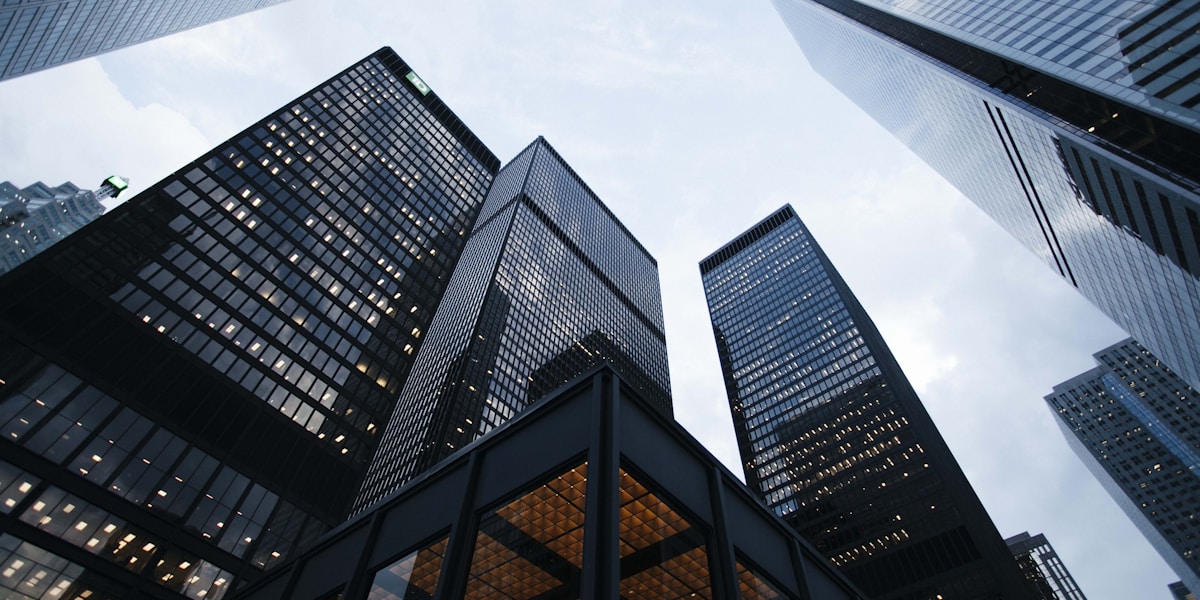
YIMBY Claims San Diego Violating State Law on Pacific Beach 23-Story Tower | November 2026 Update
YIMBY Democrats formally accuse city of illegally delaying 970 Turquoise Street tower. Developer prepares fifth resubmission. Legal battle escalates over density bonus law versus coastal height restrictions.
A brewing legal battle between pro-housing advocates and the City of San Diego has escalated to a critical juncture in November 2026, with YIMBY Democrats formally accusing the city of violating state housing law by delaying approval of the controversial 23-story Turquoise Tower at 970 Turquoise Street in Pacific Beach. This clash between state density bonus mandates and San Diego's 30-foot coastal height limit has created profound uncertainty for builders and developers working in Pacific Beach, La Jolla, Mission Beach, and Bird Rock—raising fundamental questions about which rules actually govern coastal development in 2026.
For Pacific Beach builders and coastal zone developers—from Tourmaline Surfing Park to La Jolla—this case represents far more than a single disputed project. It establishes critical precedents about whether California's Density Bonus Law can override voter-approved coastal height restrictions, how YIMBY advocacy groups are weaponizing state housing mandates to pressure local planning departments, and what regulatory strategies succeed versus fail when navigating the intersection of affordable housing incentives and coastal protection.
With developer Kalonymus Development Partners preparing a fifth project resubmission and YIMBY Democrats threatening further legal action, the November 2026 escalation demands careful analysis by any builder considering density bonus strategies in Pacific Beach's coastal zone.
November 2026 Escalation: San Diego YIMBY Democrats File State Law Violation Complaint
In October 2026, YIMBY Democrats of San Diego County sent a formal letter to Mayor Todd Gloria accusing the city of "ignoring state housing laws aimed at expediting affordable housing construction." The advocacy group argues that San Diego officials are violating state housing law by requiring special approval—and effectively blocking—the proposed 23-story mixed-use tower at 970 Turquoise Street in Pacific Beach.
The YIMBY Democrats' complaint centers on several specific legal violations:
State Law Supersession
The group asserts that California's Density Bonus Law (Government Code Section 65915) explicitly supersedes local building restrictions, including Pacific Beach's 30-foot coastal height limit established by Proposition D in 1972. Under state law, projects that include specified percentages of affordable housing qualify for automatic density bonuses, height increases, and waivers of development standards.
Ministerial Approval Requirement
To expedite housing production, California's Density Bonus Law allows city staff to approve qualifying projects ministerially—without public hearings or discretionary review. YIMBY Democrats argue that by forcing the Turquoise Tower through multiple resubmissions and review cycles, San Diego is imposing discretionary barriers that state law prohibits.
Political Pressure vs. Legal Requirements
The YIMBY Democrats' letter directly challenges the city's responsiveness to community opposition, stating that "the question is not whether politics should override state law, but whether the project satisfies the legal requirements for the development benefits it seeks." This represents a calculated strategic move—framing the dispute as rule-of-law enforcement rather than housing policy debate.
Timeline of Illegal Delays
The advocacy group documents a pattern of city actions they characterize as obstruction:
- September 2024: Second round of city questions issued to developer
- December 2025: Developer claims automatic approval after alleged missed state deadline
- February 2026: City officially halts project, claiming non-compliance
- October 2026: YIMBY Democrats formalize complaint alleging systematic violations
For Pacific Beach builders, this complaint represents a new phase in regulatory enforcement. YIMBY advocacy groups increasingly use state housing law as a cudgel against cities perceived as hostile to density—creating both opportunities (state backing for density bonus projects) and risks (projects becoming political flashpoints that trigger intense community opposition).
Project Status Update: Developer Plans Fifth Resubmission After City Concerns
Los Angeles-based developer Kalonymus Development Partners has maintained consistent pursuit of the Turquoise Tower despite multiple setbacks, with plans for a fifth project resubmission following the city's February 2026 rejection. Understanding the specific city concerns—and the developer's response strategy—provides critical insights for builders navigating similar density bonus challenges in Pacific Beach's coastal zone.
Project Specifications
- Location: 970 Turquoise Street, Pacific Beach (0.67-acre site)
- Height: 238 feet (23 stories)
- Total Units: 214 residential and visitor accommodation units
- Breakdown: 65 market-rate housing units, 10 low-income housing units (4.7% affordable), 139 hotel units
- Density Bonus Claim: Invokes California Density Bonus Law based on 10 affordable units
City's Specific Concerns Leading to February 2026 Rejection
The San Diego Development Services Department identified multiple issues that prevent approval "at this time":
Unit Classification Ambiguity: The most significant concern involves whether units designated as "visitor accommodations" or "hotel rooms" should actually be classified as residential units. In a December 2025 letter, city planners alleged Kalonymus was "trying to pawn off housing units as hotel rooms to avoid abiding by height restrictions." This classification matters enormously—if the 139 hotel units are reclassified as residential, the project's total residential density changes, potentially altering density bonus calculations and triggering different building code requirements.
Zoning Calculation Disputes: City analysis determined the project exceeds allowable floor area by approximately 106,000 square feet under existing zoning. The developer argues density bonus waivers eliminate this constraint; the city maintains the excess is so extreme that even density bonus provisions don't authorize it.
Building Code Exception Requests: The project requests multiple exceptions to building code standards—including fire separation requirements, parking ratios, and setbacks—which the developer claims are authorized under density bonus "concessions" and "waivers." The city requires more specific justification for each requested exception.
The Legal Question: Does California Density Bonus Law Override 30-Foot Coastal Height Limits?
The central legal question determining the Turquoise Tower's fate—and shaping the regulatory landscape for all Pacific Beach coastal builders—is whether California's Density Bonus Law supersedes San Diego's voter-approved 30-foot coastal height restriction. This question has no simple answer, with state and local authorities offering conflicting interpretations that create profound uncertainty for developers.
State Density Bonus Law Framework (Government Code Section 65915)
California's Density Bonus Law requires cities to grant density increases, development incentives, and waivers of development standards when projects include specified percentages of affordable housing. Key provisions include:
- Mandatory Approval: When an applicant requests a density bonus and meets affordability thresholds, cities "shall" grant the bonus—not "may" grant. This mandatory language limits local discretion.
- Height Increase Entitlements: Projects near major transit stops automatically qualify for height increases of up to three additional stories or 33 feet beyond base zoning limits.
- Waivers of Development Standards: Developers may request waivers of local development standards (including height limits) if those standards would "physically preclude" construction at the density allowed by the bonus.
HCD's June 2022 Position
The California Department of Housing and Community Development (HCD) issued a Letter of Technical Assistance to San Diego in June 2022 explicitly stating that "State Density Bonus Law supersedes the 30-foot height restriction in the Coastal Height Limit Overlay Zone." This represents the state housing authority's official interpretation—carrying significant weight in any legal dispute.
Rose Creek Village Precedent
The approval of Rose Creek Village—a 5-story, 77-unit affordable housing project in Pacific Beach that exceeds the 30-foot coastal height limit—provides a critical precedent supporting density bonus preemption.
| Factor | Rose Creek Village | Turquoise Tower |
|---|---|---|
| Height | 5 stories (~60 feet) | 23 stories (238 feet) |
| Units | 77 (100% affordable) | 214 (4.7% affordable) |
| Affordability | 59 low-income + 18 supportive | 10 low-income units |
| Primary Use | Affordable housing | Mixed-use (housing + hotel) |
| Developer | Nonprofit (Affirmed Housing) | For-profit (Kalonymus) |
| Opposition | Moderate | Intense |
| Outcome | APPROVED (August 2024) | REJECTED (February 2026) |
Rose Creek Village demonstrates that San Diego WILL approve coastal height limit exceptions under density bonus law—but primarily for genuinely affordable, mission-driven projects. The Turquoise Tower's luxury market-rate focus with minimal affordable component triggers different political and legal analysis.
SB 92 Complicating Factor (Effective January 2026)
Senate Bill 92, signed in October 2025 and effective January 1, 2026, adds new restrictions on density bonus claims for mixed-use projects:
- Commercial Floor Area Limits: The law prohibits density bonus incentives from creating projects with commercial floor area ratios exceeding 2.5 times the base zoning allowance.
- Transient Lodging Exclusions: Cities are NOT required to grant concessions for transient lodging (hotels/motels) as part of housing developments.
- Two-Thirds Residential Requirement: Mixed-use projects must maintain at least two-thirds residential floor space to qualify for full density bonus benefits.
These SB 92 provisions directly impact the Turquoise Tower's 139 hotel units. If those units are classified as "transient lodging," the city may legitimately deny density bonus concessions for that portion—potentially requiring project redesign or height reduction.
Comparison: Why Rose Creek Village Was Approved But Turquoise Tower Faces Rejection
The starkly different outcomes for two Pacific Beach projects—both invoking density bonus law to exceed the 30-foot coastal height limit—provide critical lessons for builders evaluating coastal development strategies.
Key Differentiators Explaining Divergent Outcomes
1. Genuine Affordable Housing Mission vs. Token Compliance: Rose Creek Village represents what density bonus law was designed to incentivize: 100% affordable housing serving extremely low-income residents and formerly homeless veterans. The project delivers substantial public benefit justifying coastal height limit exceptions. Turquoise Tower, with 4.7% affordable housing, appears to use minimal affordable units as a mechanism to unlock density bonus benefits for a predominantly luxury development.
2. Scale Reasonableness: Rose Creek Village's 5-story height represents a 2x exceedance of the 30-foot limit (roughly 30 feet to 60 feet). Turquoise Tower's 23-story height represents an 8x exceedance (30 feet to 238 feet). The Rose Creek scale, while exceeding limits, maintains some proportionality to surrounding context.
3. Developer Mission and Track Record: Affirmed Housing operates exclusively in affordable housing development—their mission aligns with density bonus law's public purpose. Kalonymus is a for-profit developer without affordable housing specialization—creating skepticism about motives.
Implications for Pacific Beach Builders: Navigating Coastal Height Limits and Density Bonus Law
The Turquoise Tower controversy provides critical regulatory intelligence for builders and developers working in Pacific Beach, La Jolla, Mission Beach, and Bird Rock. The intersection of density bonus law and coastal height restrictions creates both opportunities and risks that require careful strategic navigation.
From Tourmaline Surfing Park to Bird Rock, the 30-foot coastal height limit affects all Pacific Beach shoreline development. Whether your project is located near the surf breaks of Tourmaline or the coastal estates of Bird Rock, understanding how density bonus law interacts with voter-approved height restrictions is essential for feasibility analysis and approval strategy.
Can You Use Density Bonus to Exceed the 30-Foot Coastal Height Limit?
Short Answer: Maybe—depending on project characteristics and risk tolerance.
High-Probability Scenarios (Likely Approval):
- 100% affordable housing projects (Rose Creek precedent)
- Projects with 20%+ affordable housing serving extremely low-income residents
- Nonprofit affordable housing developers with public partnerships
- Heights of 4-5 stories (2x coastal limit) rather than 20+ stories
- Pure residential projects without mixed-use complications
Low-Probability Scenarios (Likely Rejection, Litigation Required):
- Luxury projects with minimal (5% or less) affordable housing
- Heights exceeding 15+ stories (5x+ coastal limit)
- Mixed hotel/residential uses where residential is minority component
- No community engagement or political opposition mobilized
Strategic Recommendations for Coastal Developers
1. Pre-Application Consultation is Mandatory: Do NOT submit density bonus applications without extensive pre-application meetings with Development Services Department. Multiple pre-application meetings prevent the Turquoise Tower scenario of repeated resubmissions.
2. SB 92 Compliance for Mixed-Use Projects: For projects including commercial or hotel components (effective January 1, 2026), ensure at least 2/3 of floor area is residential, verify commercial floor area ratio doesn't exceed 2.5x base zoning, and recognize that transient lodging (hotel) components don't qualify for density bonus concessions.
3. Meaningful Affordable Housing Component: Projects with 15-20%+ affordable housing navigate approval far more smoothly than minimal-compliance projects. In many cases, 15-20% affordable with streamlined approval beats 5% affordable with multi-year regulatory battle.
4. Community Engagement Strategy: Develop proactive community engagement strategy regardless of legal position. Present projects to Pacific Beach Planning Group early, conduct community workshops before formal application, and address traffic, parking, and shadow concerns with mitigation measures.
What Happens Next for Pacific Beach: Timeline and Likely Outcomes
As of November 2026, the Turquoise Tower dispute remains unresolved, with multiple potential pathways forward.
Expected Near-Term Developments (Q4 2026 - Q1 2027)
Developer's Fifth Resubmission: Kalonymus Development Partners has indicated plans to submit revised project materials addressing the city's February 2026 concerns. This resubmission likely occurs by December 2026 or January 2027.
Possible Outcomes and Probability Assessment
Scenario 1: City Approval After Clarifications (20% probability): The city approves a revised project that clearly distinguishes hotel from residential uses, reduces overall height to 12-15 stories, increases affordable housing percentage to 8-10%, and complies with SB 92 mixed-use requirements. Timeline: Decision by Q2 2027, construction start late 2027.
Scenario 2: Continued City Rejection Leading to Lawsuit (50% probability): The city rejects the fifth resubmission, triggering developer lawsuit under Housing Accountability Act and Density Bonus Law. Timeline: Lawsuit filed Q2-Q3 2027, final court resolution 2029-2030.
Scenario 3: HCD Intervention and State Enforcement (15% probability): California Department of Housing and Community Development investigates YIMBY Democrats complaint, issues finding that San Diego systematically violates density bonus law, and refers matter to California Attorney General. Timeline: HCD investigation Q1-Q2 2027, resolution by Q4 2027.
Scenario 4: Project Withdrawal or Significant Redesign (15% probability): Developer concludes project is not economically viable given extended approval timeline, legal costs, and market conditions. Timeline: Decision by Q2 2027.
Frequently Asked Questions: Pacific Beach Tower Legal Dispute November 2026
What is the current status of the Pacific Beach 23-story tower as of November 2026?
As of November 2026, the Turquoise Tower at 970 Turquoise Street remains rejected by the City of San Diego following the Development Services Department's February 2026 determination that the project 'cannot be approved at this time.' Developer Kalonymus Development Partners is preparing a fifth project resubmission to address city concerns about hotel versus residential unit classifications, floor area calculations, and building code exceptions. YIMBY Democrats of San Diego County filed a complaint in October 2026 accusing the city of illegally delaying the project in violation of state density bonus law. The project proposes 238 feet (23 stories) with 65 market-rate units, 10 affordable units, and 139 hotel units—far exceeding the 30-foot coastal height limit established by Proposition D.
Did YIMBY Democrats actually sue San Diego over the tower?
No, YIMBY Democrats have not filed a formal lawsuit as of November 2026. The organization sent a formal complaint letter to Mayor Todd Gloria in October 2026 accusing the city of violating state housing law by delaying the Pacific Beach tower approval. This complaint documents alleged violations and creates a record that could support future litigation, but it is not itself a lawsuit. The complaint serves as a political pressure tactic and warning that continued delays may trigger formal legal action by the developer or intervention by the California Department of Housing and Community Development (HCD). YIMBY advocacy groups frequently use complaint letters as an intermediate step before litigation, allowing cities an opportunity to change course without court involvement.
Can density bonus law override the 30-foot coastal height limit in Pacific Beach?
The legal answer remains unsettled and depends on project characteristics. The California Department of Housing and Community Development (HCD) issued guidance in June 2022 stating that state Density Bonus Law supersedes San Diego's 30-foot coastal height restriction. However, no court has definitively ruled on this question. Rose Creek Village—a 5-story, 100% affordable housing project—was approved in 2024 using density bonus law to exceed the height limit, establishing a working precedent. The key factors appear to be: (1) percentage of affordable housing (100% or 20%+ succeeds; 5% or less faces rejection), (2) reasonableness of height increase (2x limit more defensible than 8x limit), (3) project mission (genuine affordable housing vs. luxury with token compliance), and (4) whether the project is pure residential or mixed-use. SB 92, effective January 2026, adds restrictions for mixed-use projects. Builders should assume that genuinely affordable projects can exceed the height limit, while luxury projects with minimal affordable components face likely rejection and litigation.
Why was Rose Creek Village approved but the Turquoise Tower rejected?
Rose Creek Village and Turquoise Tower received opposite outcomes despite both invoking density bonus law because of fundamental differences: Rose Creek Village is 100% affordable housing (77 units serving low-income residents and homeless veterans) developed by nonprofit Affirmed Housing, while Turquoise Tower is 4.7% affordable (10 units out of 214) developed by for-profit Kalonymus. Rose Creek's 5-story height represents a 2x exceedance of the 30-foot limit; Turquoise Tower's 23 stories represent an 8x exceedance. Rose Creek is pure residential; Turquoise Tower is mixed hotel/residential/commercial, triggering SB 92 restrictions. Rose Creek received $4 million in city loan support and widespread political backing for its affordable mission; Turquoise Tower faces opposition from Congressman Scott Peters, Mayor Gloria, and over 1,000 community members. The comparison shows density bonus law works most effectively for genuinely affordable, mission-driven projects at reasonable scale—not luxury developments with minimal affordable components.
What does this dispute mean for my coastal development project in Pacific Beach?
The Turquoise Tower dispute creates both opportunities and risks for Pacific Beach coastal developers. If you're planning a genuinely affordable housing project (15-20%+ affordable units) at modest scale (4-6 stories), density bonus law provides a viable path to exceed the 30-foot coastal height limit, following the Rose Creek Village precedent. However, if you're planning a primarily luxury/market-rate project with minimal affordable compliance, expect intense scrutiny, extended approval timelines (3-5+ years), likely rejection, and potential litigation requirements. Key strategic implications: (1) conduct extensive pre-application consultation with Development Services, (2) ensure SB 92 compliance for mixed-use projects, (3) provide meaningful affordable housing percentage (15%+, not minimal 5%), (4) maintain proportional scale (avoid extreme height exceedances), (5) develop proactive community engagement strategy, and (6) assess political feasibility alongside legal entitlement. Until courts establish binding precedent on density bonus preemption of coastal height limits, significant regulatory uncertainty and approval risk exists for controversial projects.
How long will the Turquoise Tower legal dispute take to resolve?
Realistic timeline expectations range from 2-6+ years depending on pathway. If the developer's fifth resubmission (expected Q4 2026) successfully addresses city concerns and the city approves a revised project, resolution could occur by mid-2027. However, this outcome appears unlikely given the positions of both parties. More probably, continued city rejection triggers a Housing Accountability Act lawsuit filed in Q2-Q3 2027, with trial court decision in 2028-2029 and appeals extending through 2030-2031—a total timeline of 4-5 years from November 2026. If appeals reach the California Supreme Court, final resolution could extend to 2032 or beyond. Alternative scenarios include HCD intervention and state enforcement (18-24 month timeline) or project withdrawal/redesign (decision by Q2 2027). For Pacific Beach builders planning similar projects, assume 3-5 year minimum timelines for controversial density bonus applications in the coastal zone, with litigation adding 2-3 additional years.
Should I use density bonus strategy for my Pacific Beach coastal project?
Whether to pursue density bonus strategy depends on your project characteristics and risk tolerance. PURSUE density bonus when: (1) your project includes 15-20%+ affordable housing with genuine affordable mission, (2) site economics don't work within 30-foot height limit, (3) you have affordable housing development experience and nonprofit partnerships, (4) you can accept 2-4 year approval timeline uncertainty, and (5) YIMBY advocacy or political support exists for increased density. AVOID density bonus when: (1) your project is primarily luxury market-rate with minimal (5% or less) affordable component, (2) site can achieve adequate returns within 30-foot height constraint, (3) community has demonstrated fierce opposition to height exceptions, (4) approval timeline certainty is critical for financing, and (5) you prefer lower-risk development path. The Rose Creek Village precedent shows density bonus works for 100% affordable projects; the Turquoise Tower rejection shows it fails for luxury projects with token compliance. Consider a middle path: 15-20% affordable at 5-6 story scale balances density bonus benefits with manageable approval risk.
What are the city's specific concerns preventing approval of the Turquoise Tower?
San Diego's Development Services Department identified four primary concerns in the February 2026 rejection: (1) Hotel versus residential unit classification—the city alleges the 139 'visitor accommodation' units appear to be residential units misclassified as hotel rooms to avoid height restrictions and building codes; if reclassified, total residential density would be 204 units (not 65), fundamentally changing density bonus calculations. (2) Excessive floor area—the project exceeds allowable floor area by approximately 106,000 square feet; at 4.7% affordable housing, the city argues this exceeds any reasonable density bonus entitlement. (3) Insufficient building code exception justifications—the developer requested waivers of fire separation, parking, setback, and structural codes without adequately demonstrating these standards would 'physically preclude' development. (4) Incomplete application materials—missing updated traffic analysis, operational plans, SB 92 compliance documentation, and coastal development permit materials. The city maintains these are legitimate technical concerns requiring resolution, not political obstruction.
What is SB 92 and how does it affect Pacific Beach density bonus projects?
Senate Bill 92, signed October 2025 and effective January 1, 2026, amended California's Density Bonus Law to restrict benefits for mixed-use projects including nonresidential uses. Key provisions affecting Pacific Beach developers: (1) Commercial floor area ratio cannot exceed 2.5 times base zoning allowance even with density bonus, (2) Cities are not required to grant concessions for transient lodging (hotels/motels) as part of housing developments, and (3) Projects must maintain at least two-thirds residential floor space to qualify for full density bonus benefits. SB 92 directly impacts the Turquoise Tower's 139 hotel units—if classified as transient lodging, the city can legitimately deny density bonus concessions for that component. For builders, SB 92 means: avoid hotel/lodging components in density bonus projects, maintain clear 67%+ residential floor area majority, limit commercial uses to retail/office rather than lodging, and ensure commercial FAR doesn't exceed 2.5x base zoning. The law closed perceived 'loopholes' allowing luxury mixed-use projects to claim residential density bonuses while including substantial commercial components.
How does YIMBY advocacy affect San Diego planning decisions and Pacific Beach projects?
YIMBY (Yes In My Backyard) advocacy groups like YIMBY Democrats of San Diego County influence planning decisions through multiple channels: (1) Legal pressure—filing complaints alleging state housing law violations and threatening litigation creates political and legal risk for cities, (2) Political engagement—endorsing pro-housing candidates and lobbying for state density mandates shapes policy environment, (3) Public narrative—framing disputes as 'city breaking the law' vs. 'community concerns about development' influences media coverage and public opinion, and (4) Coalition building—coordinating with developers, state legislators, and housing researchers amplifies advocacy impact. For Pacific Beach builders, YIMBY support provides external validation and legal backing for density bonus projects but can also intensify community opposition by framing developments as 'outside activists overriding local control.' The Turquoise Tower case shows YIMBY advocacy strengthens legal position but doesn't guarantee approval when elected officials (Congressman Peters, Mayor Gloria) and community groups align in opposition. Builders should engage YIMBY groups early for controversial projects but also develop independent community relationships and political support beyond relying solely on YIMBY advocacy.
References and Sources
1. Pro-housing group says San Diego is breaking state law by delaying Pacific Beach tower. Times of San Diego. November 2, 2026. Accessed 2026-11-05.
2. Controversy over San Diego Rose Creek Village housing project. CBS8 San Diego. 2024. Accessed 2026-11-05.
3. Controversial 5-story building Pacific Beach will bypass 30-foot Coastal Height Limit. NBC San Diego. 2024. Accessed 2026-11-05.
4. City and Developer of Pacific Beach 'Tower' Clash Over Legality of Project. OB Rag. February 2026. Accessed 2026-11-05.
5. Community gains momentum as Scott Peters joins fight against 23-story tower. Fox5 San Diego. 2026. Accessed 2026-11-05.
6. California Government Code Section 65915 - Density Bonus Law. California Legislative Information. Current through 2026. Accessed 2026-11-05.
7. Bill Text - SB-92 Housing development: density bonuses. California Legislature. October 2025. Accessed 2026-11-05.
8. HCD Reviews Coastal Height Limits. Hanson Bridgett LLP. 2022. Accessed 2026-11-05.
9. Groundbreaking: 59 Affordable Apartments in Pacific Beach for People with Low Income and Veterans Experiencing Homelessness. San Diego Housing Commission. November 2025. Accessed 2026-11-05.
10. Housing Accountability Act. California Department of Housing and Community Development. April 2026. Accessed 2026-11-05.
This article provides general information about the Pacific Beach 23-story tower legal dispute, YIMBY advocacy, density bonus law application in coastal zones, and San Diego development regulations for educational purposes. Legal interpretations, zoning requirements, density bonus eligibility, and coastal development permit requirements can vary significantly by project type, location, and specific circumstances. Always consult with qualified professionals—land use attorneys, planning consultants, and licensed contractors—before making development decisions. Pacific Beach Builder provides professional construction services with expertise in coastal zone regulations, density bonus law compliance, and San Diego municipal code requirements throughout Pacific Beach, La Jolla, Mission Beach, Bird Rock, and San Diego County.