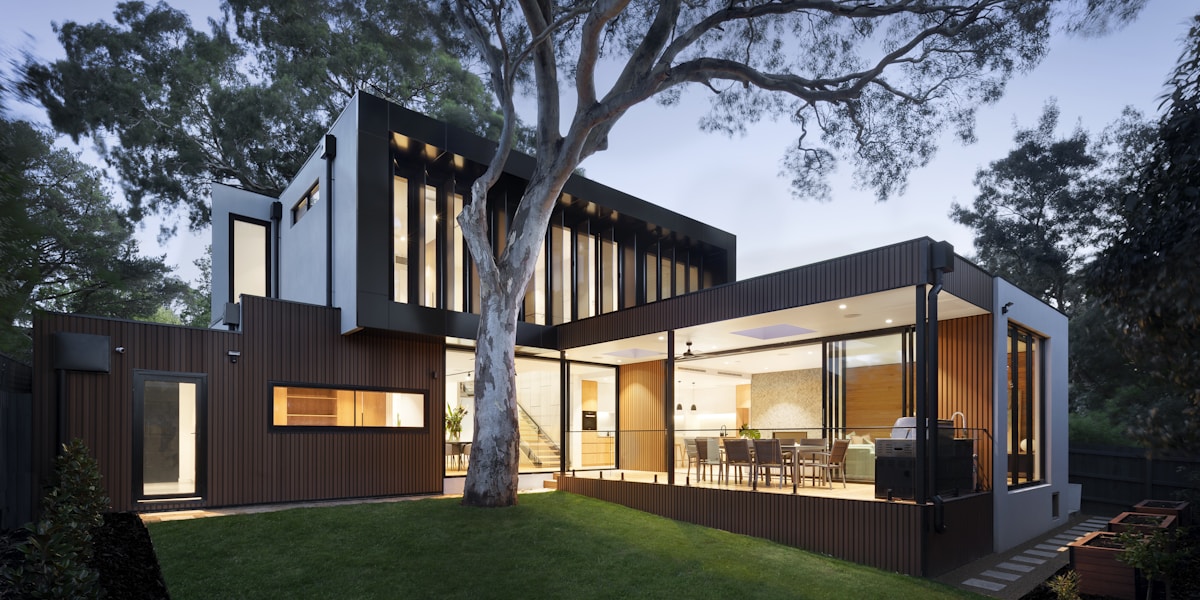
San Diego Outdoor Kitchen Trends 2026: Smart Grills, Motorized Pergolas, and Marine-Grade Finishes for Coastal Living
Pacific Beach, La Jolla, and Mission Beach homeowners are transforming their backyards into year-round entertainment zones with outdoor kitchens that rival their indoor counterparts. 2026's outdoor kitchen trends integrate smart technology, climate-responsive systems, and marine-grade materials specifically engineered to withstand San Diego's salt air while delivering sophisticated entertaining experiences.
From Crystal Pier in Pacific Beach to La Jolla Cove, coastal homeowners are transforming their backyards into year-round entertainment zones with outdoor kitchens that rival their indoor counterparts. But 2026's outdoor kitchen isn't your father's BBQ setup with a propane grill and a cooler of drinks. Today's coastal outdoor kitchens integrate smart technology, climate-responsive systems, and marine-grade materials specifically engineered to withstand San Diego's salt air while delivering sophisticated entertaining experiences.
The shift reflects San Diego's unique position as a year-round outdoor living market. Unlike colder climates where outdoor kitchens sit dormant for months, coastal San Diego homeowners expect 300+ days of usable outdoor cooking space. This justifies investment in premium features that would seem excessive elsewhere: app-controlled grills with precision temperature management, motorized pergolas that adjust louvers based on real-time weather conditions, and marine-grade polymer cabinetry that shrugs off the corrosive effects of ocean air.
The trends driving 2026 outdoor kitchen design center on three core themes: smart technology integration that matches indoor kitchen sophistication, climate control systems that extend usability across all weather conditions, and coastal-appropriate materials that prioritize durability without sacrificing aesthetic warmth. For Pacific Beach builders and homeowners alike, understanding these trends means creating outdoor spaces that deliver exceptional return on investment while addressing the specific challenges of coastal construction.
2026 Outdoor Kitchen Trend Overview: From BBQ to Smart Living Spaces
The outdoor kitchen market has undergone a fundamental transformation. What began as simple grill stations has evolved into fully integrated living spaces that blur the line between indoor and outdoor entertaining. According to the National Association of Home Builders, outdoor living features now rank among the top five most desired home improvements in 2026, with motorized pergola systems showing 340% growth in installations across major metropolitan areas over the past three years.
San Diego's climate makes it particularly receptive to this trend. The average return on investment for an outdoor kitchen ranges from 55% to 200% depending on location and materials, but in temperate climates like San Diego, homeowners consistently see ROI closer to the higher end of that range. Coastal neighborhoods in particular can see outdoor living spaces return up to 3x their investment, driven by year-round usage that justifies premium features.
The design philosophy has shifted from "outdoor cooking station" to "second kitchen." Today's outdoor kitchens feature integrated appliances that reduce trips indoors during entertaining: smart refrigerators with temperature monitoring, dedicated ice makers, wine coolers, and even beer taps designed specifically for outdoor use. Islands have grown larger, functioning as both prep space and seating areas that keep the chef engaged with guests rather than isolated at the grill.
Material selection has become more sophisticated, particularly in coastal environments. While stainless steel dominated previous generations, 2026 sees a decisive shift toward wood-toned finishes using marine-grade polymer cabinetry that mimics natural teak or cedar. This addresses both aesthetic preferences for warmth over industrial finishes and practical concerns about salt air corrosion that plagues traditional stainless steel installations.
Smart Grill Technology for San Diego Coastal Homes: App-Controlled Precision Cooking
Smart grills represent one of the most significant technological leaps in outdoor cooking. Weber's 2026 product lineup introduces a comprehensive "smart ecosystem" that links grills, accessories, and the Weber Connect App across all fuel types. The flagship Performer Premium Smart Charcoal Grill ($799) features an LCD Wi-Fi enabled controller that regulates temperature by activating a digital fan that blows air into the coals, bringing precision temperature control to traditional charcoal cooking.
For homeowners with existing kettle grills, the Kettle Smart Ring attachment ($279.99) adds smart connectivity and temperature control to classic Weber 22-inch charcoal grills. Gas grill enthusiasts benefit from updated Genesis and Spirit models featuring Wi-Fi and Bluetooth-enabled, battery-operated digital thermometers. The Smart Wireless Probe Plus with Booster and Charger works with any grill, enabling precise temperature monitoring regardless of fuel type.
These smart features deliver practical benefits for serious outdoor cooks. The Weber Connect App allows users to set up cooks, monitor temperatures, and receive flip and serve alerts, timers, and doneness notifications from anywhere via smartphone. For Pacific Beach hosts managing multiple dishes during a sunset dinner party, this means monitoring a brisket's internal temperature while mixing drinks with guests rather than standing watch over the grill.
Smart grill adoption continues accelerating as homeowners recognize the precision control these systems provide. Automatic temperature regulation eliminates the guesswork from low-and-slow smoking, while real-time alerts prevent overcooking expensive proteins. For outdoor kitchens in the $45,000-$85,000+ range (Tier 3 full kitchen with bar category), smart grill integration is increasingly expected rather than optional.
Motorized Pergolas: Year-Round Climate Control for Pacific Beach Entertaining
Motorized louvered pergolas have emerged as the defining feature of high-end outdoor kitchens, offering 0° to 160° adjustable blade rotation that provides precise control over sunlight, ventilation, and weather protection. When closed, the louvers form a solid, waterproof roof that channels rain through an integrated gutter system. At any angle between these extremes, the louvers create customized shade tailored to the time of day and season.
Pricing for motorized pergola systems in 2026 ranges from $2,000 for basic DIY import kits to $55,000+ for large custom-installed commercial-grade systems. Mid-range enhanced kits cost $8,000-$18,000, while custom professionally installed systems run $15,000-$35,000 for residential applications. Per square foot, motorized pergola installation costs $55 to $125, or up to $175 per square foot for automated smart models with weather sensors and home integration.
Smart home integration adds $800-$2,500 to total costs but delivers significant convenience. Advanced Somfy motors paired with rain sensors enable automatic louver closure in under 30 seconds when precipitation is detected. For coastal San Diego homeowners hosting evening gatherings, this means the pergola automatically responds to unexpected marine layer moisture without manual intervention.
The climate control benefits extend beyond rain protection. During San Diego's hot September and October months, adjustable louvers provide ventilation that reduces temperatures under the pergola by 10-15 degrees compared to solid roof structures. In winter months, closed louvers create a sheltered space that extends comfortable outdoor dining into cooler evenings. This year-round usability transforms the outdoor kitchen from a seasonal amenity to a daily-use living space.
For Pacific Beach and La Jolla properties, motorized pergolas address a specific challenge: coastal wind. The adjustable louver system allows homeowners to partially close blades during strong westerly winds, creating a comfortable entertaining space without completely sacrificing the open-air experience. This adaptability makes motorized systems particularly valuable in exposed coastal locations where fixed canopies would block desirable ocean breezes.
Marine-Grade Materials for San Diego Salt Air: Coastal Durability Meets Aesthetic Warmth
Material selection separates coastal outdoor kitchens that age gracefully from those requiring premature replacement. Marine Grade Polymer (MGP) has emerged as the premium choice for Pacific Beach outdoor cabinetry, representing a significant upgrade from both traditional wood and standard stainless steel.
MGP is a high-density polyethylene (HDPE) specially engineered for extreme outdoor and marine environments. Unlike standard HDPE, marine-grade polymer incorporates higher concentrations of UV stabilizers and anti-microbial additives, delivering superior resistance to saltwater, chlorine, and intense sun exposure. The material is impervious to water and does not rust, corrode, or rot like metal or wood.
Performance characteristics make MGP particularly suitable for coastal installations. The material is highly impact-resistant, non-porous, and UV-stabilized, meaning it won't fade or crack under constant sunlight exposure. MGP polymer cabinets won't rot, rust, warp, or delaminate, typically backed by lifetime structural warranties. HDPE costs $40-$80 per linear foot and lasts 20+ years with minimal maintenance.
Industry certifications provide objective quality benchmarks. Marine-grade cabinets are certified to meet ASTM D6662 standards for polyethylene lumber, delivering commercial-grade performance in residential settings. Marine-grade outdoor furniture must withstand ASTM B117 salt spray testing for 1,000+ hours without visible corrosion or structural failure. For comparison, standard 304 stainless steel shows corrosion in coastal environments within 2-3 years, with some San Diego contractors reporting they've "ripped out two-year-old 304 stainless cabinets in Ocean Beach that looked like they'd been in a junkyard."
Maintenance requirements represent another significant advantage. MGP's non-porous surface requires minimal upkeep – simply wipe clean with soap and water. Contrast this with stainless steel's demanding maintenance schedule in coastal environments: weekly rinsing with a garden hose to flush salt, monthly inspection for "tea staining" (small brown spots indicating early corrosion), and professional deep cleaning each season.
Wood-Toned Finishes: The 2026 Shift from Stainless Steel
Aesthetic preferences in outdoor kitchen design have undergone a dramatic shift away from the industrial stainless steel look that dominated previous decades. Natural, comforting textures of warm wood have become increasingly popular for kitchen islands in 2026, with warm wood finishes emerging as the new neutral throughout outdoor kitchens.
The 2026 wood stain palette shifts from cold neutrals toward cozier tones, with white oak remaining dominant due to its visible grain, mostly in light-stained or mid-toned finishes. Sedona, a warm rich tone, has become ideal for grounding elements like outdoor kitchen islands or base cabinetry. Planked EIR walnuts work particularly well for islands, pantry walls, and full-height cabinetry where scale and texture can be fully appreciated.
This aesthetic shift poses challenges in coastal environments where traditional wood deteriorates rapidly from salt air exposure and moisture. Marine-grade polymer cabinetry solves this conflict by offering realistic wood-toned finishes that mimic natural teak or cedar while delivering the durability of engineered materials. The color runs through the entire material, meaning scratches don't reveal different base colors and the finish maintains its appearance for decades.
The wood-tone trend extends beyond cabinetry to integrated design elements. Outdoor kitchen islands increasingly feature wood-look surfaces paired with stone countertops, creating visual warmth that contrasts with the cool tones of stainless appliances. This balanced approach maintains the professional appearance homeowners expect while introducing organic textures that make outdoor spaces feel more like living rooms than commercial kitchens.
For Pacific Beach outdoor kitchens specifically, wood-toned polymer finishes address the aesthetic preferences of coastal modern design while eliminating the maintenance burden real wood would impose. Homeowners achieve the warm, natural look popular in 2026 design without weekly treatments, seasonal refinishing, or premature replacement due to salt air damage.
Entertainment Systems for Pacific Beach Outdoor Spaces: Weather-Proof Technology
Outdoor entertainment systems have evolved from weather-resistant radios to fully integrated audio-visual setups rivaling indoor home theaters. Weatherproofing remains critical, with fully waterproof and dust-resistant TVs requiring high IP ratings to endure rain, dust, and insects. Outdoor TVs must deliver significantly higher brightness (often 1000 nits or more) than indoor models to combat direct or indirect sunlight and maintain picture clarity.
Premium outdoor TV options include Samsung's Terrace Outdoor QLED lineup, offering 48-50 inch to 65-inch models combining high brightness (up to 2000 nits) and IP55 weatherproofing suitable for covered patios and partial sun. Seura's Ultra Bright series delivers customizable screen sizes and local dimming with IP54+ protection at premium price points. These purpose-built outdoor displays outperform standard indoor TVs placed under cover, which typically wash out in ambient daylight.
Audio systems present unique challenges outdoors. Built-in TV speakers fall short due to ambient noise from ocean breezes, traffic, and lack of reflective surfaces that would normally project sound indoors. External audio solutions like SONOS waterproof soundbars or SONOS outdoor speaker systems deliver the volume and clarity necessary for outdoor entertaining.
Specialized outdoor speakers cater to different installation preferences. The Herdio 6.5-inch model delivers exceptional low-end punch, boasting 400 watts of peak power and an integrated amplifier, bridging plug-and-play convenience with cinematic audio. The Herdio 4-Inch 4-Speaker System offers a permanent architectural audio solution that blankets patios in sound using four separate speakers powered by a central Bluetooth amplifier.
For Mission Beach and Pacific Beach properties, outdoor entertainment systems transform sunset gatherings into multi-sensory experiences. Large-screen displays showing surfing competitions or playing ambient ocean footage create atmosphere, while weather-resistant sound systems deliver music that carries across the yard without disturbing neighbors. Smart integration allows homeowners to control audio and video from smartphones, adjusting volume and content without leaving the grill.
San Diego Outdoor Kitchen Layout Trends: Oversized Islands and Wraparound Bars
Outdoor kitchen layouts have grown more sophisticated, prioritizing social interaction over purely functional cooking spaces. The rise of sociable kitchens is filtering into backyard spaces, with outdoor kitchen islands functioning as prep space and seating so cooks can engage with guests while remaining part of the conversation.
Oversized islands represent the centerpiece of modern outdoor kitchens. Large, multi-functional islands with extensive seating continue trending in 2026 due to the socialization they facilitate, offering convenient dining space and gathering areas for entertaining guests. These islands often exceed 8-10 feet in length, incorporating built-in grills, prep sinks, storage, and bar seating for 4-6 people.
Curved island features have gained popularity for both functional and aesthetic reasons. Islands with curved elements give kitchens more flow in walkways, look softer and more comfortable, and make island seating areas feel more approachable. For outdoor spaces, curves also improve traffic flow around the cooking area and create distinct zones within open patio layouts.
Wraparound bar configurations maximize seating capacity while maintaining cook-guest interaction. L-shaped or U-shaped counter layouts allow the chef to face guests on multiple sides, preventing the isolated feeling of traditional grill-against-the-wall configurations. These layouts work particularly well in corner installations where the outdoor kitchen backs into property lines or house walls.
For Pacific Beach properties with limited yard space, efficient island design becomes crucial. Compact but feature-rich islands measuring 6-8 feet can incorporate a built-in grill, beverage refrigerator, and 2-3 bar seats while maintaining adequate clearance for traffic flow. Builders achieve this efficiency through careful appliance selection and vertical storage solutions that maximize usable space without requiring sprawling footprints.
The island-centric layout philosophy recognizes that outdoor kitchens serve primarily as social spaces rather than solitary cooking zones. Unlike indoor kitchens where the primary cook often works alone, outdoor kitchens function as gathering points where food preparation becomes participatory entertainment. Layout designs that facilitate this social dynamic – clear sightlines, accessible seating, convenient drink stations – deliver better user experiences than purely task-oriented configurations.
Integrated Appliances: Reducing Indoor Trips During Entertaining
One metric defines outdoor kitchen success: how many trips indoors the host makes during a gathering. Well-designed outdoor kitchens integrate appliances that eliminate reasons to return inside, creating self-sufficient entertaining zones.
Outdoor refrigeration has evolved beyond simple beverage coolers. Purpose-built outdoor refrigerators feature robust components designed to handle humidity and temperature swings, with enhanced insulation and stainless steel construction to resist rust and corrosion. Summit offers portable outdoor kitchenettes with weatherproof refrigerators, ice bins, trash cans, and stainless steel work surfaces in integrated units.
Beverage-specific refrigeration caters to different entertaining styles. Kegerators can be ordered with specialty tapping equipment to serve beer, wine, coffee, or kombucha on tap, appealing to Pacific Beach homeowners who entertain beer enthusiasts or wine collectors. Single or dual-tap beer dispensers handle crowd serving, while dedicated ice makers ensure glasses stay filled throughout events.
Integrated features extend beyond refrigeration. Bar stations incorporating ice makers, wine coolers, and sinks create complete beverage service areas separate from the cooking zone. This division of labor allows one person to manage the grill while another handles drinks, preventing bottlenecks and keeping guests engaged with different activity zones.
For La Jolla outdoor kitchens in the $45,000-$85,000+ investment range, appliance integration represents expected rather than optional features. High-end installations commonly include: built-in grill, side burner, outdoor refrigerator, ice maker, sink with hot/cold water, trash pullout, and wine/beverage cooler. These components create genuinely autonomous cooking and entertaining spaces that reduce indoor kitchen reliance to dishwashing after the event concludes.
Appliance placement within the layout requires thoughtful planning. The classic "work triangle" concept from indoor kitchen design translates outdoors: positioning the grill, sink, and refrigeration in efficient proximity minimizes steps during food preparation. Bar seating should access refrigeration and ice without requiring guests to navigate the cooking zone, maintaining safety and traffic flow during active food preparation.
Cost Considerations: San Diego Outdoor Kitchen Investment and ROI
Outdoor kitchen costs in San Diego span an enormous range, from around $5,000 for simple designs to over $100,000 for fully customized high-end builds, with most homeowners investing between $10,000 and $80,000 on average. The market segments into distinct tiers, each delivering different features and ROI potential.
Tier 1 (Grill Core): $15,000-$30,000
This entry tier includes a quality built-in grill, basic counter space, minimal storage, and foundational infrastructure. Materials typically use standard stainless steel or basic polymer cabinetry. While limited in features, Tier 1 installations provide significant value for homeowners primarily focused on cooking functionality rather than comprehensive entertaining spaces.
Tier 2 (Entertainer Kitchen): $28,000-$55,000
Mid-tier outdoor kitchens add refrigeration, expanded counter space, dedicated prep sink, and enhanced storage. Material quality improves to marine-grade options, and layouts incorporate bar seating for 2-4 guests. This tier suits Pacific Beach homeowners who regularly host gatherings and want self-sufficient outdoor cooking without full-kitchen replication.
Tier 3 (Full Outdoor Kitchen + Bar): $45,000-$85,000+
Premium outdoor kitchens deliver indoor kitchen equivalence: multiple appliances (grill, side burner, refrigerator, ice maker, wine cooler), extensive counter space, full plumbing, premium marine-grade cabinetry, bar seating for 4-6+, integrated lighting, and often climate control via pergola or permanent roof structure. These installations target serious entertainers and luxury property owners where outdoor living represents a primary lifestyle component.
ROI data strongly favors San Diego outdoor kitchen investments. A well-built San Diego outdoor kitchen returns 55% to 100% of its cost at resale, with coastal neighborhoods often seeing returns at the higher end. Year-round usability justifies the investment in ways impossible in colder climates where outdoor kitchens sit dormant 6-8 months annually.
The strong ROI reflects buyer preferences in San Diego's competitive real estate market. Properties with high-quality outdoor kitchens differentiate themselves in listings, appeal to lifestyle-focused buyers, and justify premium pricing. For Pacific Beach properties specifically, outdoor living spaces align with coastal California lifestyle expectations, making them expected amenities rather than luxury additions.
Cost drivers beyond appliances include: site preparation and hardscaping ($3,000-$8,000), gas and electrical infrastructure ($2,000-$5,000), plumbing for sinks ($1,500-$3,500), lighting and technology integration ($1,000-$4,000), and pergola or shade structures ($8,000-$35,000). These foundational investments ensure outdoor kitchens function reliably and safely, meeting San Diego building codes and permit requirements.
Coastal Challenges: Salt Air, Corrosion, and Material Selection
Pacific Beach, La Jolla, and Mission Beach properties face unique challenges that landlocked locations don't encounter. Salt air creates an aggressively corrosive environment that destroys inappropriate materials within months, making coastal-specific material selection essential rather than optional. Homeowners near Tourmaline Surfing Park face particularly intense salt air exposure due to prevailing westerly winds.
Salt air damage occurs through a specific mechanism. When salt spray (sodium chloride) lands on metal surfaces, it attracts moisture from marine layer fog, creating an electrolyte solution that accelerates electron flow from the metal, breaking down its molecular structure. This process explains why standard materials corrode so rapidly in coastal zones while performing adequately inland.
Stainless steel grade selection proves critical. Marine-grade stainless steel (316) represents a major upgrade over standard 304 stainless because it contains molybdenum, which dramatically strengthens the steel and improves corrosion resistance. Coastal builders consistently recommend 316 stainless steel for its higher molybdenum content, offering better resistance to chlorides and salt corrosion.
The performance difference is dramatic. Standard 304 stainless steel shows visible corrosion in San Diego coastal environments within 2-3 years, with surface rust, pitting, and "tea staining" requiring aggressive maintenance or replacement. Marine-grade 316 stainless steel resists these effects for 10-15+ years with proper maintenance, justifying its 20-30% price premium.
Alternative materials eliminate corrosion concerns entirely. HDPE polymer cabinetry has gained popularity specifically because the color runs through the material, scratches don't show, and it shrugs off salt air completely with zero corrosion risk. For coastal installations, polymer's corrosion immunity often outweighs any aesthetic preferences for metal finishes.
Countertop selection matters for salt air environments. Dense, naturally-occurring stone like quartzite and soapstone are recommended because their non-porous molecular structures prevent salt crystals from penetrating below the surface. Concrete countertops require marine-grade sealers reapplied annually. Tile countertops prove problematic as salt deposits in grout lines, creating maintenance challenges and degradation over time.
Protective maintenance extends material lifespan significantly even in coastal zones. Weekly rinsing with garden hoses flushes salt from all metal surfaces before moisture activates corrosion. Monthly inspections catch early "tea staining" on stainless steel before it progresses to structural damage. Professional deep cleaning each season removes accumulated salt deposits from crevices and joints where weekly rinsing proves insufficient.
Getting Started: Working with Pacific Beach Builders on Outdoor Kitchens
Successful outdoor kitchen projects begin with clear planning that addresses both design aspirations and practical constraints. Working with experienced Pacific Beach builders who understand coastal construction requirements, San Diego permit processes, and current design trends ensures projects deliver maximum value while avoiding costly mistakes.
The planning process typically begins with site assessment. Builders evaluate existing hardscape, utility access (gas, water, electrical), sun exposure throughout the day, prevailing wind patterns, and proximity to property lines. These factors constrain design options and inform layout decisions. For example, gas line locations might dictate grill placement, while western sun exposure could necessitate shade structure integration.
Budget establishment should occur early in planning. Builders can design outdoor kitchens to hit specific price points, but feature expectations must align with budget reality. A $25,000 budget delivers different capabilities than $60,000, and understanding these tiers prevents disappointment during the design process. Transparent budget conversations allow builders to recommend strategic feature prioritization that maximizes value within financial constraints.
Permit navigation represents a critical builder contribution. San Diego outdoor kitchen permits involve multiple code requirements: gas island venting for grills exceeding 65,000 BTU, GFCI protection for all outlets, proper appliance clearances, and structural engineering for pergolas or roof systems. Experienced builders handle permit applications, coordinate inspections, and ensure compliance with current codes that homeowners might not know exist.
Material selection benefits enormously from builder expertise, particularly for coastal properties. Builders familiar with Pacific Beach salt air exposure can recommend appropriate materials, explain long-term maintenance requirements, and demonstrate performance differences between options. This guidance prevents expensive mistakes like installing 304 stainless steel cabinetry that will corrode within years or using inappropriate sealers on natural stone.
Timeline expectations should account for San Diego permit processing and material lead times. From initial consultation to project completion, outdoor kitchens typically require 8-16 weeks: 1-2 weeks for design, 2-4 weeks for permits, 1-2 weeks for site preparation, 2-4 weeks for construction and installation, and 1-2 weeks for final inspections and finishing. Custom elements like motorized pergolas or specialty appliances may extend timelines if manufacturing lead times exceed standard stock items.
The builder relationship extends beyond project completion. Quality builders provide warranty coverage, maintenance guidance specific to selected materials, and troubleshooting support when homeowners have questions about their new outdoor kitchen. This ongoing relationship proves particularly valuable for complex systems like smart grills, motorized pergolas, or integrated home automation that may require adjustment or programming assistance.
Conclusion: Transforming Pacific Beach Outdoor Living in 2026
San Diego's outdoor kitchen trends in 2026 reflect a sophisticated understanding of coastal living that balances cutting-edge technology with practical durability. Smart grills deliver precision cooking control through smartphone apps, motorized pergolas provide climate responsiveness for year-round entertaining, and marine-grade materials ensure installations age gracefully in salt air environments that destroy inferior products within years.
The investment proposition has never been stronger. With ROI ranging from 55% to 100% in San Diego coastal neighborhoods and outdoor living spaces sometimes returning up to 3x their cost, outdoor kitchens represent one of the highest-value home improvements available. The key lies in specification: choosing materials engineered for coastal exposure, integrating technology that enhances rather than complicates usage, and working with experienced builders who understand Pacific Beach's unique construction requirements.
For homeowners ready to transform their outdoor spaces into year-round entertainment zones, the 2026 outdoor kitchen market offers unprecedented options. From entry-level Tier 1 installations that deliver cooking functionality to comprehensive Tier 3 systems rivaling indoor kitchen sophistication, there's a specification and price point for every property and lifestyle.
Pacific Beach Builder brings decades of coastal construction experience to outdoor kitchen projects throughout Pacific Beach, La Jolla, Mission Beach, and Bird Rock. Our expertise in marine-grade material selection, smart technology integration, and San Diego permit navigation ensures your outdoor kitchen investment delivers maximum value and durability. Contact us today to discuss how 2026's outdoor kitchen trends can transform your coastal property into the ultimate California entertaining destination.
Contact Pacific Beach Builder for Outdoor Kitchen Expertise
Pacific Beach Builder specializes in outdoor kitchen design and construction that withstands Pacific Beach's salt-air environment. We'll help you integrate smart grills, motorized pergolas, marine-grade materials, and entertainment systems while ensuring San Diego permit compliance and long-term coastal durability.
Our team coordinates smart technology installations, sources marine-grade materials, and manages construction timelines to deliver outdoor kitchens that balance cutting-edge features with practical coastal requirements—creating spaces that look beautiful today and remain durable for decades.
Contact Pacific Beach Builder for a free outdoor kitchen consultation:
- Phone: +1-858-290-1842
- Website: pacificbeachbuilder.com
- Email: info@pacificbeachbuilder.com
Let's discuss how 2026's outdoor kitchen trends can transform your Pacific Beach property into a personalized coastal entertainment destination that delivers exceptional ROI and daily enjoyment.