
Pacific Beach Contractor Margin Protection 2026: Combat 8% Inflation with Proven Strategies
With baseline construction cost escalation reaching 4-6% in 2026 and potential spikes to 8% in tariff-sensitive trades, Pacific Beach contractors navigate one of the most challenging profitability environments in recent memory. This comprehensive guide outlines five proven margin protection strategies: escalation clauses tied to published benchmarks, risk-sharing mechanisms with clients, vendor rebate programs, continuous monitoring systems, and operational efficiency improvements.
Construction contractors across Pacific Beach—from Tourmaline Surfing Park to Crystal Pier—along with La Jolla Shores, Mission Beach, and Bird Rock are navigating one of the most challenging profitability environments in recent memory. With baseline construction cost escalation reaching 4-6% in 2026 and potential spikes to 8% in tariff-sensitive or labor-intensive trades, protecting profit margins has evolved from a budgeting exercise to a critical business survival skill.
The Producer Price Index for construction materials hit 354.9 as of March 2026—a new all-time high and +6.0% year-over-year. Material costs are rising 5-50% across key categories, with lumber prices surging to $610 per thousand board feet, steel, concrete, and copper leading the surge. Adding to the pressure, subcontractor bid validity periods have shortened from 90 days to just 30-45 days, forcing contractors to move faster while managing greater uncertainty.
In this volatile environment, Pacific Beach contractors who lack robust margin protection strategies face an existential threat. A single unchecked cost overrun on a coastal ADU project can eliminate an entire quarter's profitability. This comprehensive guide outlines five proven strategies that professional contractors use to protect margins in 2026, from contractual safeguards to operational excellence.
Strategy 1: Pacific Beach Contractors Use Escalation Clauses Tied to Published Benchmarks

An escalation clause is a contract provision that adjusts material prices when commodity costs move beyond a defined threshold after bid submission. Rather than forcing contractors to absorb 100% of unpredictable market swings, escalation clauses create a structured framework where both parties acknowledge and share volatility proportionally.
Between Q1 2024 and Q1 2026, structural steel prices swung 47%, framing lumber fluctuated 38%, and copper wire moved 29%. More recently, steel mill products rose 13.1% year-over-year by August 2025. With the effective tariff rate for construction goods reaching a 40-year high of 25-30% in 2025, these price movements are no longer occasional anomalies—they're the new normal.
How Escalation Clauses Work
The most commonly used index in U.S. construction is the Bureau of Labor Statistics (BLS) Producer Price Index (PPI) for construction materials. The Associated General Contractors of America (AGC) recommends contractors revisit escalation clause language before entering new fixed-price agreements, with best practice linking escalation thresholds directly to relevant PPI categories—such as "Inputs to Nonresidential Construction"—so that any material cost changes above a specified percentage trigger equitable adjustments.
Sample Contract Language for Pacific Beach Projects
Effective escalation clauses typically include:
- Clear trigger events: Specify which materials are covered (steel, copper, concrete, fuel)
- Specified thresholds: Commonly 5% price movement from baseline
- Predetermined calculation methods: Reference specific PPI categories or commodity indices
- Documentation requirements: Define how price changes will be verified (supplier invoices, index reports)
For example: "If the BLS Producer Price Index for structural steel (PPI commodity code 1011) increases more than 5% between contract signing and material procurement, the contract price will be adjusted proportionally for the steel component of work, not to exceed 15% of the total steel budget."
Client Communication Strategy
Many homeowners initially perceive escalation clauses as contractor escape hatches. The key to successful implementation is positioning these clauses as mutual protection rather than one-sided risk transfer. In transparent client conversations, emphasize:
- Price protection works both ways: If material costs decrease, clients benefit from downward adjustments
- Published indices provide objectivity: BLS data eliminates subjective disputes
- Alternative is inflated contingencies: Without escalation clauses, contractors must pad bids with 15% waste margins, increasing upfront costs
- Industry standard in 2026: Professional contractors across Pacific Beach, La Jolla, and Mission Beach use escalation language on projects exceeding 6 months duration
When to Use Escalation Clauses
Not every project requires escalation protection. Best practices in 2026 suggest using escalation clauses when:
- Project duration exceeds 6 months
- Volatile materials (steel, lumber, copper) represent >20% of material budget
- Tariff uncertainty affects imported materials
- Long lead times create procurement timeline risk
For typical Pacific Beach ADU projects—whether near Tourmaline Surfing Park, along Garnet Avenue, or close to Mission Boulevard—with 4-6 month timelines, selective escalation clauses covering high-volatility items provide balanced protection without complicating every line item.
Strategy 2: Risk-Sharing Mechanisms with Clients

Traditional fixed-price contracts place 100% of cost overrun risk on the contractor. While this model provides budget certainty for clients, it creates unsustainable exposure for contractors in 2026's volatile market. Progressive contractors are instead implementing risk-sharing mechanisms that acknowledge market realities while maintaining trust-based relationships.
50/50 Split Models for Unexpected Material Increases
Under the Cost+ model with target pricing, if actual costs remain below the target price, the resulting savings are shared between the client and contractor. If costs exceed the target price, the overrun is also shared, reducing the contractor's return while preventing catastrophic losses.
Cost-plus with Guaranteed Maximum Price (GMP) and an agreement for sharing cost savings incentivizes both parties to work as efficiently as possible. The ConsensusDocs 200.1 Material Price Escalation Amendment creates a structured process for identifying and sharing tariff-triggered cost increases mid-project.
Transparency in Cost Documentation
Risk-sharing only works when both parties trust the cost reporting. Professional contractors in Pacific Beach maintain meticulous documentation:
- Real-time supplier invoices: Share actual purchase receipts, not estimated costs
- Vendor quote comparisons: Demonstrate competitive procurement practices
- Material tracking logs: Show quantities ordered vs. quantities used
- Waste documentation: Prove efficient material handling to justify cost claims
Transparency has become critical for contractor success in 2026 across Pacific Beach's coastal markets. Owners expect visibility around costs, schedules, and progress—and they're choosing contractors who can deliver it. Contractors serving Pacific Beach, La Jolla Shores, and Bird Rock who send itemized invoices the same day they finish work get fewer disputes and more referrals.
Pacific Beach Case Example: ADU Project with Lumber Price Spike
Consider a 600 sq ft detached ADU in Pacific Beach with estimated construction costs of $210,000 ($350/sq ft). Three months into the project, lumber prices spike 22% due to tariff implementations. The framing package, originally budgeted at $18,000, now costs $21,960—a $3,960 overrun.
Under traditional fixed-price contracts, the contractor absorbs the full $3,960 loss, potentially eliminating the entire project margin. Under a 50/50 risk-sharing agreement:
- Contractor documents the price increase with supplier invoices and PPI data
- Client and contractor split the $3,960 increase
- Each party absorbs $1,980
- Contractor preserves partial margin; client pays slightly more but maintains relationship with trusted professional
This model works particularly well in affluent coastal markets like La Jolla and Bird Rock, where high-net-worth clients value relationship continuity and understand that quality contractors provide fair pricing rather than opportunistic markups.
Strategy 3: Vendor Rebate Programs and Purchasing Optimization for Pacific Beach Projects

While escalation clauses and risk-sharing protect against upward cost volatility, vendor rebate programs create downward margin recovery after project completion. Construction vendor rebates help contractors reduce effective purchasing costs by earning money back after meeting supplier requirements such as annual spend, volume targets, category consolidation, or loyalty commitments.
How Structured Rebate Programs Work
Unlike upfront discounts that lower invoice prices immediately, rebates are earned retroactively. Primary types include:
- Volume-based rebates: Reach annual spending thresholds (e.g., $100K, $250K, $500K) to unlock rebate tiers
- Growth rebates: Earn incentives for year-over-year purchasing increases
- Product-specific rebates: Concentrate purchases within preferred product lines
- Mix rebates: Meet combinations of goals (volume + product mix + payment terms)
Margin Recovery After Project Completion
Average profit boost from rebate programs is 3-5% annually. For contractors with meaningful purchasing volume, rebates become a practical margin improvement strategy. Typical rebate returns of 2-5% directly offset unavoidable cost increases and price fluctuations that occur during project execution.
For example, a Pacific Beach contractor serving the coastal corridor from Crystal Pier to La Jolla Shores and completing $2 million in annual material purchases earning a 4% rebate receives $80,000 in margin recovery—potentially the difference between profitable and unprofitable annual performance in a low-margin environment.
Standardizing Material Specifications to Concentrate Purchasing Power
Fragmented purchasing across multiple product lines dilutes rebate earning potential. Professional contractors standardize material specifications across projects:
- HVAC systems: Select 2-3 preferred manufacturers rather than spec-by-spec variations
- Plumbing fixtures: Standardize rough-in valve brands to concentrate volume
- Electrical components: Use consistent panel, wire, and fixture manufacturers
- Framing lumber: Source from consistent suppliers to reach volume thresholds
Standardization also creates operational efficiencies—crews become expert with familiar products, reducing installation time and callbacks.
Pre-Season Bulk Purchasing for High-Volume Items
Purchasing high-volume materials before peak season reduces exposure to sudden price increases. Some contractors report better outcomes by aligning purchasing calendars with forecasted price troughs, even at the cost of increased working capital tied up in early orders.
For Pacific Beach contractors anticipating multiple ADU projects in spring/summer—particularly in high-demand areas like Tourmaline Surfing Park, Mission Beach, and Bird Rock—bulk purchasing framing lumber, drywall, and concrete in January-February can lock in lower prices before seasonal demand spikes.
Emergency Purchase Premium Costs and Avoidance Strategies
Emergency rush orders in construction typically incur 20-40% premium pricing. When unexpected delays force last-minute material orders, contractors face either project delays or significant margin erosion.
Avoidance strategies include:
- 3-week look-ahead scheduling: Reduces resource emergencies from 83% to 15%
- AI-based demand forecasting: Reduces forecast error rates by 20-50%, leading to lower inventory costs and fewer emergency orders
- Supplier communication: Early warnings about potential delays allow suppliers to source competitively
- Buffer inventory for critical items: Strategic on-hand stock of long-lead or volatile items
Group Purchasing Organizations (GPOs)
When individual purchasing volume is too small to reach preferred pricing tiers, contractor buying groups aggregate demand to create collective leverage. Organizations like the Contractors National Buyer Alliance (CNBA) pool the buying power of many contractors to negotiate elite rebate programs with national suppliers, potentially reducing material costs by approximately 21%.
Strategy 4: Continuous Margin Monitoring Systems for Coastal Construction
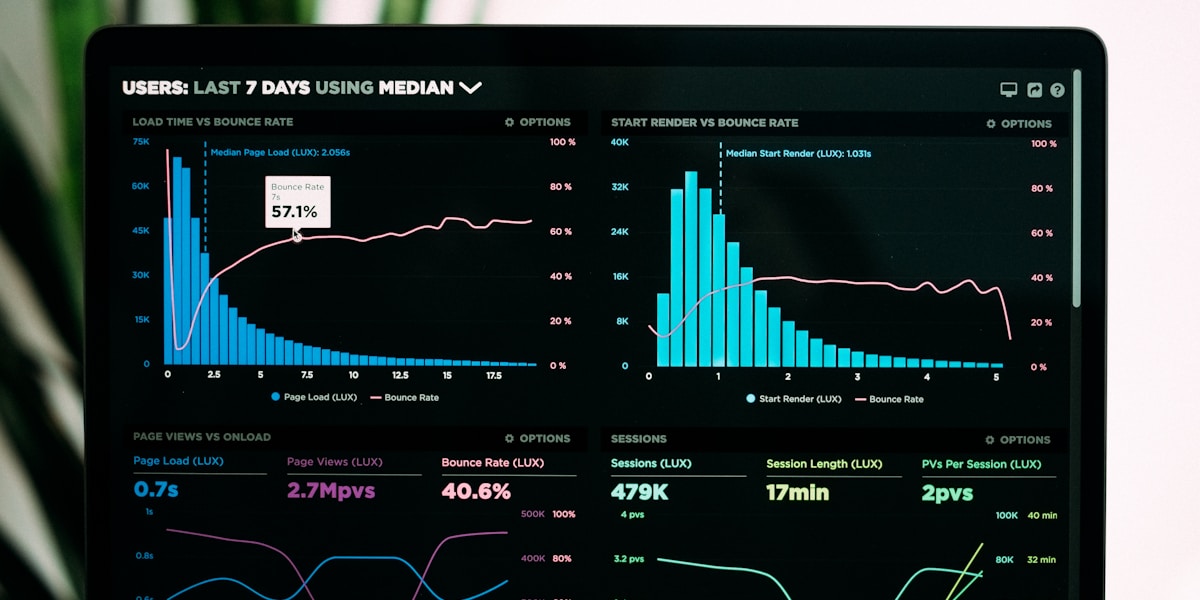
Many contractors treat profitability as a once-a-year budgeting exercise: estimate costs upfront, execute the work, and reconcile actual vs. estimated at project completion. In 2026's volatile environment, this approach guarantees margin leakage.
If a job is more than two percentage points below the original estimate, there is active leakage, and the discipline of regularly reviewing these numbers is where margin protection begins. Industry experts emphasize that margin cannot be protected annually—it requires continuous monitoring to prevent unnoticed erosion.
Weekly Margin Reviews During Active Projects
Professional contractors implement weekly financial check-ins for active projects:
- Actual vs. estimated cost comparison: Track every cost category (labor, materials, permits, subs)
- Burn rate analysis: Measure spending velocity against project completion percentage
- Variance investigation: Immediately research any category exceeding 5% variance
- Forecast to completion: Update projected final costs based on current trajectory
Weekly reviews catch problems early when corrective action is still possible, rather than discovering overruns at project completion when no mitigation remains.
Red Flag Indicators
Specific indicators signal margin erosion requiring immediate attention:
| Red Flag | Threshold | Corrective Action |
|---|---|---|
| Labor hours exceeding estimate | >10% variance | Crew size adjustment, productivity analysis |
| Change order accumulation | >5 uncaptured requests | Formal change order documentation, client approval |
| Scope creep | Client requests outside SOW | Work stoppage until change order executed |
| Material waste | >8% of ordered quantity | Jobsite waste audit, handling process review |
| Subcontractor cost overruns | >7% variance | Subcontractor meeting, scope clarification |
| Schedule delays | >1 week behind schedule | Acceleration plan, compressed timeline |
Scope creep alone drains 15-27% of project margin, making it one of the most significant profit challenges in construction. Around 52% of projects experience scope creep, and 85% of those exceed budget by an average of 27%.
Project Management Software for Margin Tracking
Construction projects relying on disconnected tools lose up to 17% of labor hours to rework and miscommunication. Choosing the right software directly determines whether a contractor hits margin targets or bleeds cash on every job.
Leading platforms in 2026 integrate cost tracking into broader project and construction administration systems:
- Procore: Most widely deployed in the U.S., centralizing scheduling, RFIs, submittals, and financial tracking with strong mobile apps
- Archdesk: Ties subcontractor workflows directly to budgets, purchase orders, and real-time margin tracking at task level
- Buildertrend: Integrated cost tracking connected to actual project workflows for earlier insight and stronger control
- SmartBarrel: Connects hours with production output to spot issues early, forecast completion, and protect margins
Modern systems enable field teams to document costs, track time, and flag variances from smartphones—ensuring real-time data accuracy without administrative delays.
Strategy 5: Operational Efficiency to Protect Long-Term Profitability

While contractual protections and financial monitoring defend against external cost pressures, operational efficiency addresses internal margin leakage. With the industry facing a 499,000-worker deficit and a $40 billion waste problem, operational excellence is no longer optional for protecting 2-3% margins.
Reducing Callbacks Through Quality Control
Callbacks directly reduce profit. Every hour spent on unpaid warranty work or rework is an hour unavailable for billable projects. Pacific Beach contractors report that rushing installations increases the risk of leaks and warranty claims, while low-grade materials may reduce upfront costs but increase long-term service calls.
Routine jobsite inspections help catch mistakes early—before drywall covers plumbing, before finish materials hide framing issues, before final inspections reveal code violations. Quality control checklists at critical milestones prevent expensive callbacks:
- Foundation inspection: Verify rebar placement, anchor bolt spacing, waterproofing before concrete pour
- Framing inspection: Check header sizing, shear wall nailing, blocking before covering
- Rough mechanicals: Test plumbing pressure, HVAC airflow, electrical circuits before insulation
- Final walkthrough: Document punch list items, test all systems, verify cosmetic finish quality
Jobsite Waste Reduction
Failing to calculate waste accurately leads to material shortages and added costs. Construction generates approximately $40 billion in waste annually, representing direct margin erosion.
Waste reduction strategies include:
- Cut optimization: Plan lumber cuts to minimize scrap (e.g., optimize stud lengths before cutting)
- Material handling: Proper storage prevents damage (weather protection, secure staging, organized inventory)
- Order accuracy: Precise takeoffs reduce over-ordering and storage waste
- Scrap recovery: Salvage usable cutoffs for blocking, backing, or adjacent projects
Contractors can reclaim up to 35% of lost work hours by implementing waste reduction alongside 3-week look-ahead scheduling and multi-trade consolidation to eliminate handoff delays.
Labor Utilization Optimization
At the operational level, margin is influenced by labor utilization—the relationship between productive hours and total hours paid. Strategies to maximize utilization include:
- Right-sized crews: Match crew size to task requirements (avoid overstaffing)
- Task sequencing: Plan work to minimize travel time and crew waiting
- Material staging: Pre-position materials to reduce fetch time
- Apprentice integration: Pair skilled workers with apprentices for efficient skill transfer
Procurement Process Efficiency
Construction suppliers can move on price when contractors change the economics around the deal: cleaner scope, faster payment, larger volume, fewer rush orders, better forecasting, or shared escalation risk. Building strong vendor relationships creates procurement advantages:
- Preferred pricing: Loyal customers receive better base pricing
- Priority allocation: During material shortages, preferred customers get served first
- Extended terms: Relationship-based payment terms improve cash flow
- Technical support: Suppliers invest in training and project-specific guidance for valued customers
Execution Efficiency
Delays compound costs—every day a project runs long incurs additional labor, equipment rental, insurance, and overhead expenses. Moreover, delayed completion pushes subsequent projects back, creating cascading schedule impacts.
Execution efficiency tactics include:
- Permit readiness: Submit complete, accurate permit applications to avoid review delays
- Inspector relationships: Communicate proactively with building inspectors to schedule timely inspections
- Weather planning: Monitor forecasts and adjust schedules for concrete pours, exterior finishes, roofing
- Subcontractor coordination: Confirm sub availability before scheduling to prevent gaps
Pacific Beach Specific Considerations

Coastal construction in Pacific Beach—from Tourmaline Surfing Park and Crystal Pier along Mission Boulevard and Garnet Avenue—along with La Jolla Shores, Mission Beach, and Bird Rock introduces unique margin pressures beyond baseline 2026 inflation challenges.
Coastal Construction Premium Costs
Salt-air protection adds 8-12% to construction costs. Marine environments require:
- Corrosion-resistant fasteners: Stainless steel or hot-dipped galvanized fasteners cost 3-5x standard fasteners
- Salt-air rated HVAC: Coastal-grade condensers and air handlers carry 15-25% premiums
- Weather-resistant barriers: Enhanced WRB and flashing systems to combat moisture intrusion
- Marine-grade finishes: Coastal-rated paints, stains, and sealants with UV and salt resistance
These specialized materials rarely qualify for standard vendor rebate programs, requiring dedicated negotiation with coastal-specialty suppliers.
Pacific Beach Coastal Development Permit Timeline Uncertainty
Properties within the Coastal Zone (generally within 300 feet of the ocean) require additional environmental review and California Coastal Commission oversight, adding $5,000-$15,000 and potentially 8-12 weeks to project timelines.
Permit uncertainty creates two margin risks:
- Extended overhead costs: Longer timelines increase insurance, equipment rental, and project management costs
- Price escalation exposure: Delayed material procurement pushes purchases into future pricing periods, increasing escalation risk
Sophisticated Pacific Beach contractors—particularly those working near Tourmaline Surfing Park, Crystal Pier, and along the coastal corridor to La Jolla Shores—build 15-20% timeline buffers into coastal project estimates specifically for permit uncertainty, protecting against compressed execution windows that force premium labor rates or rush material orders.
High-End Client Expectations in La Jolla Shores, Bird Rock, and Pacific Beach
Affluent coastal markets demand premium materials and finishes that limit cost-reduction flexibility. When clients specify European appliances, custom cabinetry, and designer fixtures, contractors cannot substitute lower-cost alternatives to offset material inflation.
This dynamic requires transparent client communication early in projects: "Your selected Miele appliance package has increased 9% since our initial estimate. We can proceed at the updated pricing, or I can provide alternative options that maintain quality while managing costs."
High-net-worth clients from Pacific Beach's Tourmaline Surfing Park neighborhood, La Jolla Shores, and Bird Rock typically prefer transparency over surprise invoices, and proactive communication builds trust that generates referrals in tight-knit coastal communities.
Limited Contractor Pool Creating Competitive Pricing Pressure
Pacific Beach's specialized coastal construction requirements—from Tourmaline Surfing Park to Crystal Pier and throughout the 92109 zip code—including permitting expertise and marine-grade material knowledge—limit the qualified contractor pool. This scarcity paradoxically creates both pricing power and margin pressure:
- Pricing power: Fewer qualified competitors enable premium pricing for expertise
- Margin pressure: Client expectations for white-glove service increase overhead costs (detailed communication, premium project management, concierge-level responsiveness)
Successful coastal contractors in Pacific Beach, Mission Beach, and La Jolla balance premium pricing with premium service, ensuring margins cover the genuine cost of elevated client expectations.
Margin Protection Strategies Applied to Pacific Beach Coastal ADU Projects
A detached ADU in Pacific Beach in 2026 runs approximately $280-$420 per square foot for construction costs alone—not including permit fees, design, or utility connections. For a 600 sq ft detached ADU, this translates to $168,000-$252,000 in construction costs.
When including all project components, all-in costs to build a turnkey detached ADU run $375-$600+ per square foot. On a $270,000 ADU project with a target 15% margin ($40,500 profit), an unprotected 8% cost overrun ($21,600) consumes over half the project profit.
Applying margin protection strategies:
- Escalation clause on framing lumber and structural steel: Protects against 38-47% price swings
- 3% vendor rebate on $75,000 material spend: Recovers $2,250 after completion
- Weekly margin monitoring: Catches scope creep averaging 15-27% before it compounds
- Risk-sharing on coastal-specific items: Split cost overruns on marine-grade components
- Pre-season bulk purchasing: Lock in Q1 pricing for Q2 construction
Collectively, these strategies can preserve 60-80% of margin even when experiencing moderate cost overruns—the difference between profitable and unprofitable projects.
When Rate Increases Are Necessary (2026 Reality)
Despite comprehensive margin protection strategies, some contractors face a reality where defensive measures are insufficient, and rate increases become necessary. Understanding when and how to implement rate adjustments is critical for long-term business sustainability.
Rate Increases as Defensive Profitability Moves
While 72% of contractors plan to raise rates in 2026, only 18% cite increased demand as the reason. More specifically, among those raising prices, 38% expect increases between 2-5%, while 18% plan to raise rates by 5% or more.
Rate increases in 2026 are defensive profitability moves, not opportunistic price gouging. Drivers include:
- Material cost inflation: 4-8% baseline escalation across construction materials
- Labor wage increases: 6-8% annually to remain competitive in 349,000-worker shortage environment
- Insurance premium increases: Three consecutive years of rising premiums tied to increased project values
- Coastal specialty costs: Marine-grade materials and extended permit timelines increasing coastal project costs
Communication Strategies with Pacific Beach and La Jolla Clients
Transparency builds client trust during price adjustments. Professional contractors communicate rate changes with:
- Advance notice: Provide 60-90 days notice before implementing new rates
- Rationale explanation: Share specific cost drivers ("Our liability insurance increased 18% this year, and marine-grade fasteners are up 22%")
- Market context: Reference industry-wide trends, not just individual circumstances
- Grandfathering period: Honor existing estimates and offer brief transition windows for clients considering projects
- Value reinforcement: Remind clients of quality outcomes, warranty protection, and relationship history
As contractors raise prices to keep pace with rising costs, many report increasing tension with homeowner expectations. Success in 2026 depends less on demand and more on how effectively contractors manage costs, labor, and client expectations.
How Margin Protection Tactics Delay Need for Rate Increases
Contractors employing comprehensive margin protection strategies can often defer rate increases by 6-12 months compared to competitors who lack protective measures:
| Strategy | Margin Protection | Rate Increase Delay |
|---|---|---|
| Escalation clauses | Transfers 50-100% of material volatility | 6-9 months |
| Vendor rebates (3-5%) | Recovers margin after completion | 3-6 months |
| Weekly monitoring | Prevents 15-27% scope creep erosion | 4-8 months |
| Operational efficiency | Reduces waste, callbacks by 35% | 6-12 months |
| Risk-sharing | Splits unexpected overruns | 3-6 months |
By implementing multiple strategies simultaneously, contractors create cumulative protection that can preserve profitability through moderate inflation cycles without passing immediate costs to clients.
However, when baseline costs increase 8%+ and margin protection strategies can only offset 4-5%, rate adjustments become mathematically necessary to prevent operating at a loss.
Conclusion: Margin Protection as Business Survival in 2026
The combination of 8% construction inflation, material price volatility ranging from 5-50% across categories, and shortened subcontractor bid validity creates an existential business risk for contractors operating without comprehensive margin protection.
Professional contractors distinguish themselves not through lowest pricing, but through financial sophistication that ensures project completion without mid-construction failures. Low-bid competitors lacking margin protection fail mid-project, leaving clients with incomplete work, liens, and legal complications.
The multi-layered approach outlined in this guide—escalation clauses tied to published indices, risk-sharing mechanisms with clients, vendor rebate programs and purchasing optimization, continuous margin monitoring systems, and operational efficiency improvements—provides defensive protection across multiple vulnerability points.
For Pacific Beach contractors navigating coastal construction premiums from Tourmaline Surfing Park to Mission Beach, extended permit timelines, high-end client expectations along Garnet Avenue and near Crystal Pier, and specialized material requirements for oceanfront projects, margin protection is particularly critical. The narrow gap between sustainable profitability and operating losses leaves no room for casual cost management.
Pacific Beach Builder's commitment to financial transparency and margin protection ensures we remain a stable, trustworthy construction partner through market volatility. When clients understand that our pricing reflects genuine cost protection rather than inflated margins, they appreciate working with professionals who will be in business for their warranty period and beyond.
Take Action
If you're planning a coastal construction project in Pacific Beach—whether near Tourmaline Surfing Park, Crystal Pier, along Mission Boulevard or Garnet Avenue—or in La Jolla Shores, Mission Beach, or Bird Rock, schedule a consultation to discuss how margin protection strategies ensure your project remains on budget despite 2026's cost volatility. Understanding contractor pricing structures and compliance requirements helps you select professionals who will complete your project successfully rather than disappear mid-construction.
Frequently Asked Questions
What is a typical contractor profit margin in 2026?
Construction profit margins vary by trade and project type, but most contractors operate on 2-3% net margins after all costs. General contractors typically target 10-20% gross margins, but after labor, materials, overhead, insurance, and unexpected costs, net margins compress significantly. In Pacific Beach's coastal market, specialized contractors may achieve slightly higher margins (3-5%) due to expertise premiums, but volatile costs make margin protection critical.
How do escalation clauses work in construction contracts?
Escalation clauses adjust material prices when commodity costs move beyond a defined threshold (typically 5%) after bid submission. The clause references published indices like the Bureau of Labor Statistics Producer Price Index (PPI) for construction materials. For example, if steel prices increase 12% between contract signing and procurement, and the contract includes a 5% threshold escalation clause, the contractor can adjust pricing for the 7% excess increase. This transfers unpredictable market volatility risk from the contractor alone to a shared framework between both parties.
Are escalation clauses fair to homeowners?
Yes, when structured transparently. Escalation clauses protect both parties: if material costs decrease, homeowners benefit from downward adjustments. The alternative to escalation clauses is contractors padding every bid with inflated contingencies (often 15% or more) to protect against worst-case scenarios. With escalation clauses, homeowners pay actual costs rather than inflated safety margins, and contractors avoid catastrophic losses on fixed-price contracts. Published BLS indices provide objective verification, eliminating subjective disputes.
What are vendor rebate programs for contractors?
Vendor rebate programs return 2-5% of material costs to contractors after meeting supplier requirements such as annual spending thresholds, volume targets, or product line concentration. Unlike upfront discounts that reduce invoice prices immediately, rebates are earned retroactively—often quarterly or annually. For a contractor purchasing $2 million in materials annually, a 4% rebate returns $80,000, providing significant margin recovery that offsets unavoidable price fluctuations during project execution.
How much does scope creep typically cost contractors?
Scope creep drains 15-27% of project margin on average. Around 52% of projects experience scope creep, and 85% of those exceed budget by an average of 27%. On a $30,000 project with a 20% margin ($6,000 profit), scope creep can consume $3,000-$4,500 in unbilled labor and untracked materials—potentially cutting profit in half. For luxury residential builds, average budget creep reaches 13.8%, which on a $4 million estate translates to over $550,000 in surprise costs. Preventing scope creep through formal change order processes and weekly monitoring is essential for margin protection.
Why have subcontractor bid validity periods shortened to 30 days?
Material price volatility in 2026 makes it financially risky for subcontractors to honor prices beyond 30 days. Between Q1 2024 and Q1 2026, structural steel prices swung 47%, framing lumber fluctuated 38%, and copper wire moved 29%. If a subcontractor provides a 90-day bid and material costs spike 15% during that window, they face potentially catastrophic losses. Shortening bid validity to 30 days protects subcontractors while forcing general contractors to move faster from estimate to contract execution.
What percentage of construction costs are materials vs. labor in Pacific Beach?
Typically, residential construction projects break down approximately 40-50% materials and 40-50% labor, with the remaining 10-20% covering permits, insurance, overhead, and profit. However, Pacific Beach coastal projects skew slightly higher on materials (45-55%) due to marine-grade component requirements—corrosion-resistant fasteners, salt-air rated HVAC systems, enhanced weather barriers, and coastal-grade finishes. Labor percentages remain similar, though specialized coastal construction expertise commands premium hourly rates ($85-$125/hour for skilled trades vs. $65-$95/hour for standard residential work).
How much do coastal construction requirements add to Pacific Beach projects?
Salt-air protection adds 8-12% to construction costs for marine-grade materials and corrosion-resistant components. Coastal Development Permits add $5,000-$15,000 and potentially 8-12 weeks to project timelines. Combined, coastal requirements can increase total project costs by 12-18% compared to identical projects located inland. For a $300,000 ADU project, coastal premiums add $36,000-$54,000. These are unavoidable costs—cutting corners on marine-grade materials leads to accelerated deterioration and expensive premature replacements.
What construction management software is best for margin tracking in 2026?
Leading platforms include Procore (most widely deployed, strong mobile apps), Archdesk (real-time margin tracking at task level), Buildertrend (integrated cost tracking with project workflows), and SmartBarrel (connects hours with production output). The best platform depends on company size, project types, and existing workflows. Most importantly, choose software that integrates cost tracking with project administration rather than standalone accounting systems—this provides earlier insight into margin erosion when corrective action is still possible. Construction projects using disconnected tools lose up to 17% of labor hours to rework and miscommunication.
When should contractors raise rates vs. implement margin protection strategies?
Contractors should implement margin protection strategies first—escalation clauses, vendor rebates, continuous monitoring, operational efficiency improvements, and risk-sharing mechanisms can collectively offset 4-5% cost inflation. Rate increases become necessary when baseline cost escalation (8%+ in some 2026 categories) exceeds what margin protection can absorb. Best practice: implement all available margin protection strategies, monitor actual cost trends quarterly, and adjust rates only when mathematical analysis shows sustained negative margins. Communicate rate increases transparently with 60-90 days notice, specific cost driver explanations, and value reinforcement to maintain client relationships.
Sources & References
All information verified from official sources as of June 2026.
- ▪ CBUSA - Construction Cost Management for 2026 (official source)
- ▪
- ▪ Baldwin CPAs - Construction Costs 2025: How PPIs Guide Smarter 2026 Bids (official source)
- ▪ GGG LLP - Protecting Margins in an Era of Volatile Material Costs (research source)
- ▪ CNBA - Contractor Vendor Rebates: 2026 Guide to Maximize ROI (official source)
- ▪ Procore - Escalation Clauses in Construction Contracts (research source)
- ▪ Projul - Construction Profit Margins by Trade (2026) (research source)