
La Jolla Soledad Pump Station Upgrade Continues Through Q1 2027: Construction Impacts, Water Infrastructure Improvements, and Contractor Coordination Strategies
The La Jolla Soledad Pump Station upgrade continues through Q1 2027 with construction on Soledad Mountain Road north of La Jolla Scenic South Drive. The project upsizes pipes from 12 to 16 inches (78% more capacity), installs four new pumps, replaces 350 feet of pipeline, and enhances fire protection. Contractors should plan alternative delivery routes, factor traffic delays into schedules, and position infrastructure knowledge as competitive advantage. Property values benefit from improved water pressure and fire protection supporting long-term neighborhood viability.
Construction equipment and traffic control measures will remain a fixture on Soledad Mountain Road through the first quarter of 2027 as the City of San Diego completes a major upgrade to the La Jolla Soledad Pump Station. For contractors working in La Jolla, Pacific Beach, and surrounding communities, understanding this infrastructure timeline is essential for coordinating project schedules, planning material deliveries, and communicating effectively with clients about factors beyond your control.
The pump station upgrade, which began in late 2025 and is expected to conclude in early 2027, represents a significant investment in La Jolla's water infrastructure—one that will enhance water pressure, improve fire protection, and support the long-term development capacity of this premium coastal neighborhood.
EXPERT ANALYSIS
Based in Pacific Beach at 4715 30th St, Pacific Beach Builder has coordinated construction projects in La Jolla, Pacific Beach, Mission Beach, Bird Rock, and near Tourmaline Surfing Park for over 15 years, navigating municipal infrastructure schedules, coastal development permits, and complex site logistics for premium coastal properties throughout San Diego's coastal neighborhoods.
Understanding the Soledad Pump Station Project Scope
The Soledad Pump Station (SPS) has served La Jolla's water system since 1978, originally designed with three vertical turbine pumps and a 3,000 gallon per minute capacity. Nearly five decades later, the facility requires comprehensive modernization. The SPS currently operates with only two of its three original pumps functional, and their capacity has decreased over the years, resulting in increased electrical costs and an inability to meet current water demands.
The upgrade project addresses these deficiencies through several key improvements:
Four New Pumps: The project will replace the aging pump infrastructure with four new pumps, increasing both capacity and redundancy. This upgrade ensures the system can meet current and future water demands for La Jolla neighborhoods served by the Soledad 925 Pressure Zone.
Pipe Upsizing from 12 to 16 Inches: Contractors familiar with water flow calculations understand the significance of this upgrade. When comparing pipes of different sizes at the same flow velocity, capacity is proportional to the square of the diameter. Upsizing from 12 inches to 16 inches delivers approximately 78% more water volume (16² ÷ 12² = 1.78). This increased capacity reduces friction loss, maintains adequate flow rates during peak demand periods, and supports fire protection requirements.
350 Feet of 16-Inch Pipeline Replacement: The project includes replacing approximately 350 feet of existing 16-inch pipelines to ensure system integrity and connectivity between the pump station and the Soledad and La Jolla Country Club reservoirs.
New Pressure Relief Valve: This critical safety component prevents excessive pressure buildup in the system, protecting both the infrastructure and the homes it serves.
Fire Hydrant Replacement: As part of the broader fire protection enhancements, the project includes replacing a nearby fire hydrant, ensuring adequate water flow for emergency response in this hillside area.
Security and Control Systems: Modern equipment and security systems will be installed to ensure efficient operation and protect the facility from unauthorized access.
For homeowners in the service area, these technical improvements translate to tangible benefits: more reliable water pressure during peak usage times, enhanced fire protection that can affect insurance rates and safety, and infrastructure capacity that supports property values and future neighborhood development.
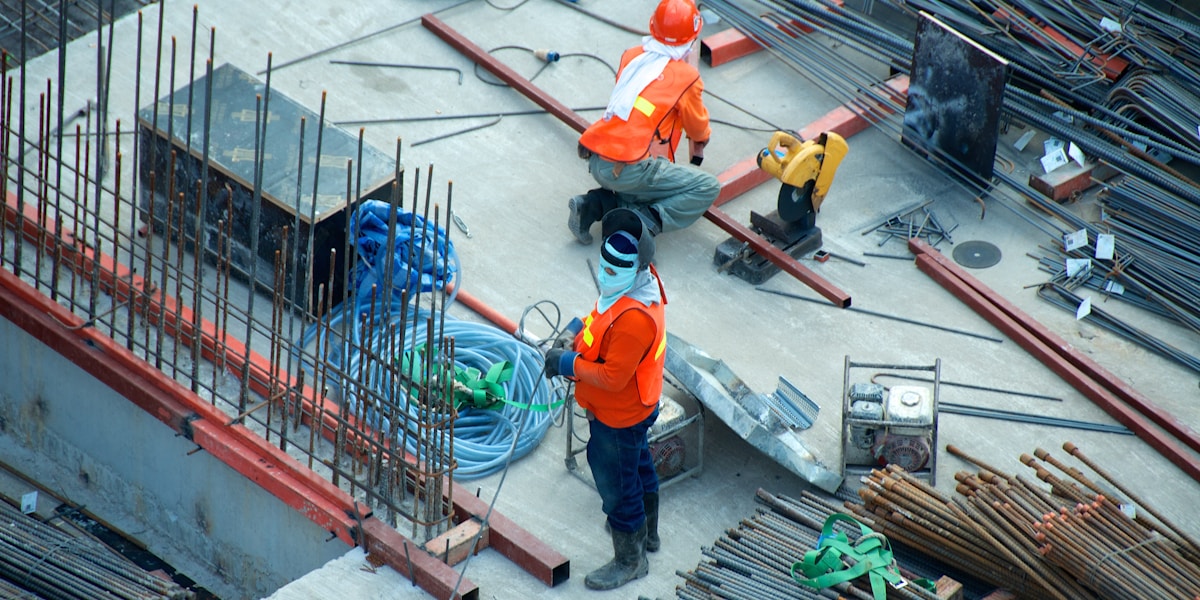
Construction Timeline and Current Traffic Impacts
As of March 2026, the Soledad Pump Station upgrade is in active construction, with completion anticipated in the first quarter of 2027—a remaining timeline of approximately 9-12 months. The construction zone is located on Soledad Mountain Road north of the intersection with La Jolla Scenic South Drive, directly in front of the San Diego French-American School at 6550 Soledad Mountain Road.
Contractors working in the area should be aware of the following traffic and access impacts:
Visible Construction Equipment: Orange plastic blockades, fencing, tarps, and A-frames will remain in place through the end of 2026 and into early 2027. This equipment includes a booster pump that serves as a backup for the La Jolla Country Club Pump Station while the Soledad Pump Station is offline for construction.
Lane Reductions: Traffic on Soledad Mountain Road has been reduced from two lanes to a single lane in the construction area. This has created significant backups, particularly for vehicles turning right onto La Jolla Scenic South Drive, with traffic often extending back to Caminito Blythefield.
Material Delivery Considerations: For contractors coordinating material deliveries to La Jolla job sites, the Soledad Mountain Road congestion requires alternative routing strategies. Superior Ready Mix and other material suppliers serving La Jolla, including providers delivering to hillside properties and beachfront construction projects, should be consulted early in project planning to determine optimal delivery routes and timing.
Potential Water Service Interruptions: While the City typically provides advance notice, contractors should factor potential planned water service interruptions into project schedules, particularly for work requiring water access or for coordinating with plumbing subcontractors on La Jolla projects.
Information
These traffic impacts underscore the importance of proactive communication. Informed contractors can explain to clients why certain delays or routing adjustments are necessary, positioning themselves as knowledgeable local experts rather than appearing unprepared for foreseeable complications.
What This Means for La Jolla Property Values and Development Capacity
Municipal infrastructure investments send powerful signals about a neighborhood's long-term viability and the city's commitment to supporting both existing residents and future development. The Soledad Pump Station upgrade represents exactly this type of strategic investment.
Enhanced Fire Protection: Fire flow requirements directly influence property insurance rates, building codes, and overall neighborhood safety. The upgrade to larger pipes (12 to 16 inches) and the new fire hydrant improve the system's ability to deliver the minimum required fire flow of 1,000 gallons per minute for residential subdivisions. For hillside properties in La Jolla, where topography can complicate emergency response, adequate water pressure and fire flow capacity are particularly critical.
Research on fire protection systems and insurance demonstrates that improved fire protection infrastructure can lead to insurance premium reductions. While municipal water system upgrades differ from building-specific sprinkler systems, the principle remains: insurers recognize that better fire protection infrastructure reduces risk.
Water Pressure Reliability: The La Jolla Country Club Reservoir was originally built in 1927 with a capacity of 500,000 gallons and was replaced with a new concrete rectangular reservoir containing 880,000 gallons of storage capacity. The pump station was upgraded with three new pumps capable of providing more than 3 million gallons per day. The Soledad Pump Station upgrade ensures improved connectivity between these reservoir systems, providing redundancy and reliability for the entire service area.
Supporting Future Development: La Jolla's real estate market represents one of California's most expensive and stable markets, with median home prices exceeding $3 million as of 2025. Limited inventory and development restrictions help maintain property values. However, adequate water infrastructure is essential for supporting the accessory dwelling units (ADUs), home expansions, and new construction that homeowners and developers pursue within existing zoning parameters.
The tension between preserving community character and ensuring infrastructure evolves with the town's needs is well-documented in La Jolla. Opposition to local projects often stems from concerns about methodical planning that accounts for infrastructure improvements concurrent with housing development. The Soledad Pump Station upgrade demonstrates the City's commitment to addressing infrastructure capacity proactively.
Property Value Impact: Infrastructure projects typically lead to increased property values due to improved accessibility, better services, and enhanced appeal. Investment in infrastructure such as transport links, energy networks, and water systems can greatly increase property values in affected areas. For La Jolla properties served by the improved pump station, the upgraded infrastructure represents a long-term asset that supports property values and marketability.
Impact on Pacific Beach and Mission Beach Contractors
While the La Jolla Soledad Pump Station upgrade is geographically located in La Jolla, contractors based in Pacific Beach and serving the broader coastal corridor from Mission Beach to Bird Rock should understand the project's implications for regional operations and client service.
Pacific Beach Headquarters Perspective: Pacific Beach Builder, headquartered at 4715 30th St in Pacific Beach near Tourmaline Surfing Park, serves clients throughout San Diego's coastal communities including Pacific Beach, Mission Beach, La Jolla, and Bird Rock. Understanding infrastructure projects across our entire service area enables comprehensive project planning and client communication.
Regional Material Delivery Coordination: Material suppliers serving Pacific Beach contractors—including Superior Ready Mix, Gravel Monkey, and other providers—often service multiple coastal neighborhoods on the same delivery runs. The Soledad Mountain Road congestion affects routing efficiency for deliveries originating from or passing through La Jolla on routes to Pacific Beach and Mission Beach job sites. Coordinating with suppliers on optimal routing benefits all projects across the service area.
Cross-Neighborhood Client Portfolio: Contractors with client portfolios spanning Pacific Beach, Mission Beach, and La Jolla benefit from understanding how infrastructure projects in one area affect scheduling flexibility, material delivery coordination, and labor allocation across multiple simultaneous projects. A contractor managing an ADU project in Pacific Beach, a remodel in Mission Beach, and a hillside improvement in La Jolla needs comprehensive awareness of factors affecting each location.
Positioning Pacific Beach Expertise: For contractors based in Pacific Beach near landmarks like Tourmaline Surfing Park, demonstrating knowledge of infrastructure projects throughout the broader service area—from Mission Beach to La Jolla—validates local expertise and comprehensive market understanding. Clients value contractors who understand regional factors affecting project execution, not just neighborhood-specific considerations.
Tourmaline Surfing Park Proximity Advantage: Pacific Beach's central location along the coastal corridor, with landmarks like Tourmaline Surfing Park providing geographic reference points, positions Pacific Beach contractors to efficiently serve adjacent neighborhoods including Mission Beach to the south and La Jolla to the north. Understanding infrastructure projects throughout this service area supports efficient multi-project coordination.
Contractor Impact: Coordinating La Jolla Projects Around Infrastructure Work
For Pacific Beach Builder and other contractors serving La Jolla, the Soledad Pump Station upgrade presents both challenges and opportunities. The key is transforming infrastructure knowledge into competitive advantage.
Material Delivery Route Planning: Given the single-lane restrictions and traffic backups on Soledad Mountain Road, contractors should work with material suppliers to identify alternative delivery routes to La Jolla job sites. Gravel Monkey, which delivers aggregates throughout La Jolla and surrounding San Diego communities, regularly services projects in areas including La Jolla Shores with beachfront properties and hillside homes. For hillside construction requiring crushed stone for French drain bedding, retaining wall backfill, and base preparation, coordination with suppliers on optimal routing can prevent costly delays.
Project Scheduling and Timeline Buffers: Best practices for infrastructure project coordination include planning detailed timelines, tracking progress in real time, and building contingency buffers for unexpected delays. When bidding La Jolla projects during this infrastructure upgrade period, contractors should factor potential traffic delays into labor hour estimates and project timelines. Transparent communication with clients about these factors demonstrates professionalism and prevents misunderstandings about schedule performance.
Water Service Coordination: For projects requiring continuous water access or involving plumbing installations, contractors should maintain regular communication with the City of San Diego Public Utilities Department to receive advance notice of planned water service interruptions. The utility coordination best practice of collecting data and investigating in greater detail as early as possible applies directly to this scenario.
Client Communication Strategies: Informed contractors can position the infrastructure upgrade as a positive factor in client conversations: "The City is investing in La Jolla's water infrastructure right now, which is excellent for long-term property values and fire protection. We've already factored the current construction timeline into our project schedule, and we've coordinated with our material suppliers on optimal delivery routes to avoid the Soledad Mountain Road delays."
This approach transforms a potential complaint point into a demonstration of local expertise and proactive project management.
Competitive Advantage
Positioning as Local Infrastructure Expert: Understanding municipal infrastructure schedules provides a competitive advantage. Contractors who monitor City of San Diego Capital Improvements Program (CIP) projects and can discuss their implications with clients demonstrate depth of local market knowledge that generic competitors cannot match.

Connection to Broader San Diego Infrastructure Investment Pattern
The Soledad Pump Station upgrade fits within a broader pattern of San Diego municipal infrastructure modernization. The City's FY 2026 budget includes $843.7 million in the Capital Improvements Program (CIP) for capital projects across the city, with significant allocations to water and stormwater infrastructure.
The Public Utilities Department's CIP supports infrastructure for reliable water supply and wastewater collection and treatment. The water system extends over 404 square miles with potable water deliveries of approximately 170,000 acre-feet per year. The system includes 49 water pump stations, 29 treated water storage facilities, nine surface reservoirs, three water treatment plants, and approximately 3,300 miles of pipeline.
For perspective, San Diego is poised to invest well over $120 million in maintenance, repair, and regulatory compliance actions associated with the stormwater system in FY 2026. The City continues to invest in significant upgrades to its stormwater conveyance system through a $733 million low-interest loan provided through the U.S. Environmental Protection Agency's Water Infrastructure Finance and Innovation Act (WIFIA) program.
| Infrastructure Component | Quantity | Purpose |
|---|---|---|
| Water Pump Stations | 49 | Maintain pressure throughout 404 sq mile service area |
| Treated Water Storage Facilities | 29 | Store potable water for distribution |
| Surface Reservoirs | 9 | Large-scale water storage including Soledad and La Jolla Country Club |
| Water Treatment Plants | 3 | Treat water to drinking standards |
| Pipeline Network | ~3,300 miles | Distribute water throughout San Diego County |
| Annual Water Delivery | 170,000 acre-feet | Total potable water distributed to customers |
In February 2026, San Diego signed a $112 million contract with Wildan Energy Services to retrofit 40 city buildings and 40,000 streetlights with zero upfront investment through performance-based financing. This contract includes retrofits to the La Jolla/Riford Library and Pacific Beach/Taylor Library, demonstrating city-wide infrastructure investment that includes the Pacific Beach Builder service area.
The pattern is clear: San Diego is systematically modernizing its infrastructure across water, stormwater, energy, and building systems. The Soledad Pump Station upgrade represents one component of this comprehensive strategy. For La Jolla, this validates the neighborhood as a well-maintained premium market worthy of continued municipal investment.
Soledad and La Jolla Country Club Reservoir Service Areas
Understanding which La Jolla neighborhoods benefit from the Soledad Pump Station upgrade requires examining the water system's pressure zones and reservoir connectivity.
The Soledad Pump Station is the primary pump station within the City's Soledad 925 Pressure Zone. This pressure zone serves neighborhoods in the elevated areas of La Jolla, where topography requires pumping to maintain adequate water pressure. The pump station improves water flow and connectivity to both the Soledad Reservoir and the La Jolla Country Club Reservoir.
The La Jolla View Reservoir system includes the Muirlands Pump Station, La Jolla Country Club Reservoir, Soledad Reservoir, and Muirlands Pipeline, all of which connect to residential areas in the service zone. The Bayview Reservoir, which also serves La Jolla, Pacific Beach, and the Soledad communities, is divided into two basins, each holding five million gallons of water.
This interconnected system provides redundancy advantages. When one component requires maintenance or experiences operational issues, the system can draw from alternative sources to maintain service. The Soledad Pump Station upgrade's installation of a booster pump as a backup for the La Jolla Country Club Pump Station during construction exemplifies this redundancy approach.
For properties on hillside locations, adequate water system capacity is particularly important. Hillside construction requires proper drainage to prevent erosion and foundation damage, with French drain systems, retaining wall backfill, and surface drainage channels all depending on adequate water pressure for installation and testing. The improved system capacity supports these construction requirements.
Positioning Pacific Beach Builder as La Jolla Infrastructure Expert
How can contractors transform awareness of the Soledad Pump Station upgrade and broader infrastructure patterns into business advantage?
Proactive Client Education: When consulting with La Jolla clients on project planning, discuss relevant infrastructure factors: "We're monitoring the Soledad Pump Station upgrade timeline to coordinate our material deliveries efficiently. The project will be complete in Q1 2027, and once finished, the improved water pressure and fire protection will be beneficial for property values throughout the service area."
Project Scheduling Best Practices: Infrastructure project coordination best practices include detailed planning studies, budget planning with contingency allocations, risk management plans, and stakeholder coordination. Applying these principles to private construction projects demonstrates sophisticated project management capabilities.
Municipal Calendar Awareness: Subscribing to City of San Diego CIP updates, monitoring Public Utilities Department announcements, and tracking infrastructure project timelines positions contractors to anticipate factors affecting project execution. This awareness can be incorporated into project bids and client proposals as evidence of thorough planning.
Turning Knowledge Into Trust: Clients hiring contractors for significant home improvement projects, ADU construction, or remodeling work are making substantial financial commitments. Demonstrating detailed knowledge of factors affecting their neighborhood—from infrastructure upgrades to zoning changes to permit processing timelines—builds confidence that the contractor truly understands the local market.
Competitive Differentiation: Generic contractors operating across large geographic areas cannot maintain detailed awareness of neighborhood-specific infrastructure projects. Local contractors who invest time in understanding municipal infrastructure calendars, water system improvements, and neighborhood-specific factors differentiate themselves through depth of expertise.
Long-Term Insight
The Soledad Pump Station upgrade will conclude in Q1 2027, but the competitive advantage from understanding these infrastructure patterns extends far beyond a single project timeline.
Long-Term Infrastructure Improvements Support Neighborhood Viability
While the construction equipment on Soledad Mountain Road may create short-term inconveniences, the long-term benefits of the pump station upgrade substantially outweigh temporary disruptions.
The infrastructure improvements address a fundamental question for any established neighborhood: can the existing systems support both current residents and future development needs? For La Jolla, where property values exceed $3 million and development pressure continues despite restrictions, adequate water infrastructure is essential.
The project's scope—four new pumps, pipe upsizing from 12 to 16 inches, 350 feet of pipeline replacement, pressure relief valve installation, and fire hydrant replacement—represents comprehensive modernization that extends the useful life of the system for decades.
For the contractor community serving La Jolla, these infrastructure investments validate the neighborhood's long-term stability. Projects in areas with aging, inadequate infrastructure face different risk profiles than projects in neighborhoods receiving active municipal investment. The City's commitment to upgrading the Soledad Pump Station, combined with broader CIP investments totaling $843.7 million in FY 2026, signals confidence in La Jolla's future.
The remaining construction timeline through Q1 2027 requires coordination and planning, but informed contractors can turn this challenge into an opportunity to demonstrate local expertise, proactive project management, and sophisticated understanding of the factors affecting successful project execution.
Frequently Asked Questions
When will the La Jolla Soledad Pump Station construction be completed?
The City of San Diego expects the Soledad Pump Station upgrade to be completed in the first quarter of 2027 (Q1 2027). Construction equipment and traffic control measures will remain on Soledad Mountain Road through the end of 2026 and into early 2027. The project began in late 2025, making the total construction timeline approximately 15-18 months.
Why is the City upgrading the Soledad Pump Station?
The Soledad Pump Station was originally built in 1978 and currently has only two of its three pumps operational, with decreased capacity over the years causing increased electrical costs and an inability to meet current water demands. The upgrade will install four new pumps, upsize existing 12-inch pipes to 16 inches (providing approximately 78% more water capacity), replace 350 feet of 16-inch pipelines, install a new pressure relief valve, and replace a nearby fire hydrant to improve water flow, connectivity to the Soledad and La Jolla Country Club reservoirs, and fire protection.
Where exactly is the construction located on Soledad Mountain Road?
The active construction work is located on Soledad Mountain Road north of the intersection with La Jolla Scenic South Drive, directly in front of the San Diego French-American School at 6550 Soledad Mountain Road. Orange plastic blockades, fencing, tarps, and A-frames are visible in this area and will remain through the construction period.
How does the construction affect traffic on Soledad Mountain Road?
Traffic has been reduced from two lanes to a single lane in the construction area, creating significant backups, particularly for vehicles turning right onto La Jolla Scenic South Drive. Traffic often backs up all the way to Caminito Blythefield. Contractors coordinating material deliveries to La Jolla job sites should plan alternative routing strategies and coordinate with suppliers on optimal delivery timing to avoid delays.
Which La Jolla neighborhoods benefit from the Soledad Pump Station upgrade?
The Soledad Pump Station is the primary pump station within the City's Soledad 925 Pressure Zone, serving neighborhoods in the elevated areas of La Jolla where topography requires pumping to maintain adequate water pressure. The upgrade improves water flow and connectivity to both the Soledad Reservoir and the La Jolla Country Club Reservoir, benefiting residential areas connected to this system including hillside properties throughout the service zone.
Will there be water service interruptions during the construction?
While the City typically provides advance notice of planned water service interruptions, contractors should factor potential temporary water service disruptions into project schedules. The construction includes installing a booster pump as a backup for the La Jolla Country Club Pump Station while the Soledad Pump Station is offline for construction, which helps minimize service interruptions. Contractors planning projects requiring continuous water access or involving plumbing installations should maintain communication with the City of San Diego Public Utilities Department.
How does pipe upsizing from 12 inches to 16 inches improve water capacity?
When comparing pipes of different sizes at the same flow velocity, water capacity is proportional to the square of the diameter. Upsizing from 12 inches to 16 inches delivers approximately 78% more water volume (calculated as 16² ÷ 12² = 1.78). This increased capacity reduces friction loss, maintains adequate flow rates during peak demand periods, supports fire protection requirements, and ensures the system can meet current and future water demands for La Jolla neighborhoods.
How does the upgrade improve fire protection in La Jolla?
The upgrade improves fire protection through three key mechanisms: (1) upsizing pipes from 12 to 16 inches increases water flow capacity by approximately 78%, supporting the minimum required fire flow of 1,000 gallons per minute for residential subdivisions; (2) installing a new fire hydrant near the pump station ensures adequate water delivery points for emergency response; and (3) the new pressure relief valve and four new pumps maintain system pressure reliability. For hillside properties in La Jolla where topography can complicate emergency response, adequate water pressure and fire flow capacity are particularly critical.
How should contractors coordinate La Jolla projects during this construction period?
Contractors should implement several coordination strategies: (1) Work with material suppliers to identify alternative delivery routes avoiding Soledad Mountain Road congestion; (2) Factor potential traffic delays into labor hour estimates and project timelines when bidding La Jolla projects; (3) Build contingency buffers into project schedules; (4) Maintain communication with the City of San Diego Public Utilities Department for advance notice of water service interruptions; and (5) Communicate proactively with clients about infrastructure timeline factors, positioning the awareness as local expertise rather than excuse-making.
How does this infrastructure upgrade affect La Jolla property values?
Infrastructure projects typically lead to increased property values due to improved services and enhanced appeal. The Soledad Pump Station upgrade provides tangible benefits including more reliable water pressure during peak usage times, enhanced fire protection that can affect insurance rates and safety, and infrastructure capacity that supports property values and future neighborhood development. The upgrade demonstrates the City's commitment to supporting La Jolla's long-term viability, which is particularly significant in a market where median home prices exceed $3 million and infrastructure capacity is essential for supporting ADUs, home expansions, and new construction within existing zoning parameters.
Sources & References
All information verified from official sources as of March 2026.
- ▪
- ▪ Soledad Pump Station Upgrade - City of San Diego CIP (government source)
- ▪ City of San Diego Fiscal Year 2026 Draft Budget Public Utilities (government budget)
- ▪
- ▪
- ▪ Pipe Size and Flow Rate Calculations - WPS Expert (technical resource)
- ▪ Fire Flow Requirements and Hydraulic Modeling - Project Infrastructure (technical resource)
- ▪
- ▪ Utility Coordination Best Practices - 4M Analytics (industry guide)
- ▪ Infrastructure Project Management Best Practices - Onindus, 2026 (industry guide)
- ▪
- ▪ The Future of La Jolla Real Estate - Nelson Brothers Team, 2025 (market analysis)