Governor Newsom Announces $239 Million Investment for 1,700 Affordable Homes: What Pacific Beach Builders Need to Know in 2026
On Tuesday, August 12, 2026, Governor Gavin Newsom announced a nearly $239 million state investment to bring 20 construction-ready affordable rental housing developments with 1,700 homes to market across California. For Pacific Beach, La Jolla, and Mission Beach builders, this announcement represents a dual opportunity: access to unprecedented state funding streams and surging construction workforce demand throughout San Diego County. With less than 6% of California cities meeting their housing goals and a critical shortage of nearly 130,000 affordable homes in San Diego County alone, the state's urgent push to accelerate construction-ready projects creates immediate opportunities for contractors positioned to meet prevailing wage requirements and streamlined development timelines.
Breaking: Governor Newsom's $239 Million Affordable Housing Investment Announced August 12, 2026
Governor Newsom's announcement marks a significant escalation in California's efforts to reverse decades of housing shortages. The $239 million investment targets 20 shovel-ready affordable rental housing developments that have completed local community engagement, secured land use approvals, and applied for state and federal funding.
"We're backing that investment with reforms that cut red tape, expand financing opportunities, and accelerate housing production," Governor Newsom stated in the announcement. Housing Secretary Tomiquia Moss emphasized that "approving these important funds quickly and efficiently ensures much-needed affordable rental homes can get past the planning phase, start construction."
The 1,700 homes funded in this round will serve lower-income Californians, with projects selected through a streamlined approval process that moved from the April 2026 Notice of Funding Availability (NOFA) to final awards in just four months—a timeline that sets new standards for state housing funding efficiency.
HCD Director Gustavo Velasquez highlighted the innovation: "This funding solution directly confronts cost challenges that have stalled critically needed affordable housing communities." For builders and contractors serving Pacific Beach, La Jolla, Mission Beach, and Bird Rock neighborhoods, the emphasis on construction-ready projects means immediate workforce mobilization rather than months or years of planning delays.
California's Housing Crisis: Less Than 6% of Cities On Track for 2030 Goals
The urgency behind this investment becomes clear when examining California's housing crisis data. The state has ordered every city and county to plan for 2.5 million new homes by 2030—a target of approximately 312,500 units annually that California has never achieved, even during boom decades.
Recent state data reveals the severity of the shortfall:
- Only 32 jurisdictions out of more than 500 (under 6%) are on pace to meet their targets for housing affordable to very low-income households
- Fewer than one-third of California's cities and counties are on track to permit sufficient "above moderate" (market-rate) housing
- Only about 10% are keeping pace on moderate-income housing
- Just 13% are on track for low-income units
- Only five jurisdictions in the entire state—Plumas, Napa, Yolo, and Mono counties, plus the city of Placerville—are meeting all four income-level targets simultaneously
Despite a wave of new state laws designed to speed up housing approvals, California is still adding only a bit more than 100,000 homes annually—far below the 312,500-unit target. This massive gap between goals and reality is what's driving the state's aggressive funding strategies and streamlined approval processes.
San Diego County's Specific Housing Shortfall
San Diego County faces its own stark reality. According to the San Diego Housing Federation's May 2026 report, the county has a shortfall of nearly 130,000 affordable homes. Between 2021 and 2029, San Diego County's Regional Housing Needs Assessment (RHNA) goals call for 171,685 new homes, with nearly 99,000 required to be affordable for low- and middle-income families.
San Diego needs to permit 13,500 homes annually to meet its 108,000-unit goal by 2030. However, recent permit activity shows concerning gaps:
- 2024: 8,782 permits issued (65% of annual target)
- 2023: 9,693 permits issued (72% of annual target)
For Pacific Beach and coastal communities near Crystal Pier, Garnet Avenue, Kate Sessions Park, and Tourmaline Surfing Park, these numbers translate to sustained construction demand. Only 17% of San Diego County households can afford the median-priced single-family home of $1.075 million as of Q2 2026, creating massive pressure for affordable housing development.

What This Means for Pacific Beach Builders and Contractors
The $239 million announcement creates multiple pathways for Pacific Beach builders serving coastal neighborhoods from Windansea Beach through Mission Beach Boardwalk to expand their operations:
1. Direct Access to State-Funded Projects
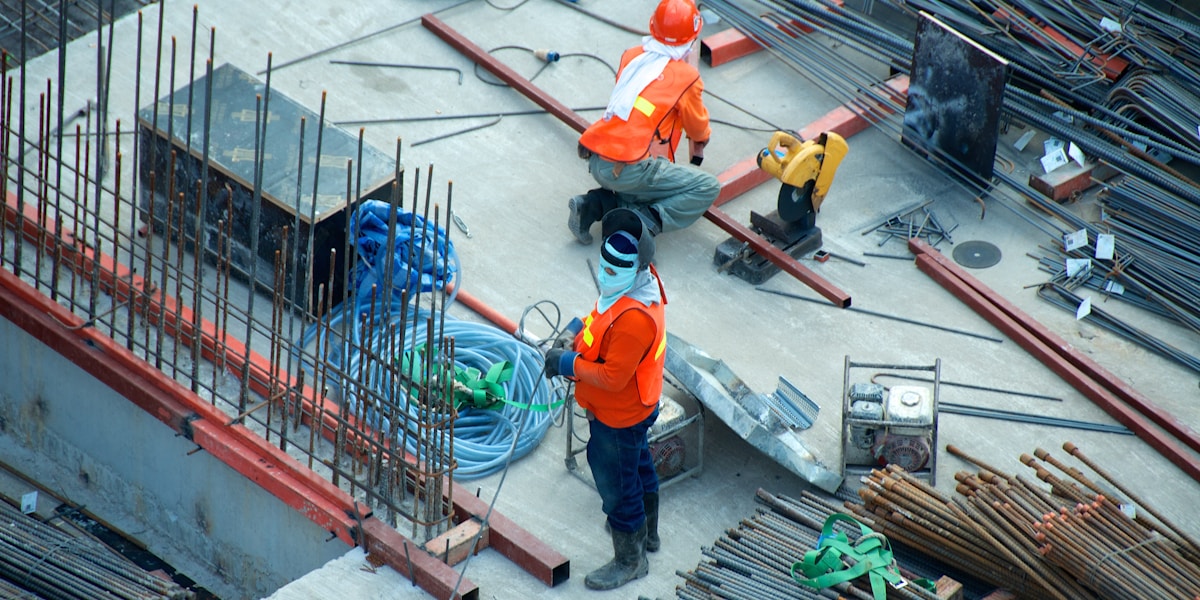
Construction-ready projects mean immediate hiring needs. These 20 developments have cleared planning phases and can advance to construction upon funding. For contractors who meet prevailing wage requirements and state project qualifications, this represents months of secured work throughout the Pacific Beach Planning Group jurisdiction and La Jolla Community Planning Association area.
2. Coordination with $8 Million Workforce Training Grants
Just three days before the affordable housing announcement, on August 9, 2026, the California Workforce Development Board announced $8 million in funding through the High Road to Construction Careers 2026 (HRCC 2026) Grant Program. These funds support worker training for public infrastructure and construction projects, with pathways into pre-apprenticeship and joint apprenticeship programs.
The coordination of these two announcements creates a unique opportunity: state-funded construction projects paired with state-funded workforce training. Builders can access both funding streams and skilled labor simultaneously.
3. Increased Overall Construction Workforce Demand
Beyond the specific 1,700 homes in this funding round, San Diego's need to permit 13,500 homes annually—nearly double current production—signals sustained demand for construction workers throughout the region. With zero office construction starts in 2025, Pacific Beach contractors positioned to scale operations can capture both state-funded and market-rate projects along Pacific Beach Drive and throughout coastal San Diego neighborhoods.
4. Skills and Certifications for State-Funded Work
To qualify for state-funded affordable housing projects, contractors must meet specific requirements:
- Prevailing wage compliance: Understanding and implementing state-set minimum hourly rates including base wage, health and welfare benefits, pension contributions, vacation pay, and training fund contributions
- Geographic wage variations: Prevailing wage rates vary by county and locality—San Diego County rates differ from rural areas
- Project documentation: Certified payroll records and compliance reporting
- Apprenticeship coordination: Integration with state-approved apprenticeship programs where required
For Pacific Beach builders already working on market-rate projects, the prevailing wage premium averages approximately $83,000 per unit (excluding high-cost Bay Area projects), but this cost is built into state funding allocations.
How to Access State Affordable Housing Funding Streams in San Diego County
For builders interested in pursuing state-funded affordable housing development, understanding the application landscape is critical:
Current Funding Programs and Timelines
Homekey+ Program: The Notice of Funding Availability (NOFA) was released November 26, 2024, with application materials available January 2025. Pre-application consultations are mandatory before submittal.
Low-Income Housing Tax Credit (LIHTC): The 2026 application rounds include deadlines on February 3, May 19, and September 8, 2026.
Prohousing Incentive Program (PIP): Applications due March 31, 2026.
Local Coordination Points
San Diego Housing Commission (SDHC): As a lender, bond issuer, and administrator of City of San Diego affordable rental housing programs, SDHC has partnered with developers to create more than 23,000 affordable rental units citywide. The Commission's fiscal year 2026 procurement plans include identifying turnkey developers for new projects.
Development Services Department: The City's Land Development Code updates in spring 2026 expanded the Complete Communities Housing Solutions program to include for-sale affordable homes, and state Density Bonus Law now supersedes the 30-foot height restriction in the Coastal Height Limit Overlay Zone.
Application Process Realities
State affordable housing funding is highly competitive. Of the nearly 40,000 affordable homes across 461 developments statewide that are ready to begin construction, most remain stalled due to lack of public funding. Each additional funding source delays construction start by an average of four months and adds $20,460 per unit.
The streamlined approval process used for the August 2026 announcement—moving from April NOFA to August awards—represents a faster timeline than traditional funding rounds, which often take 12-18 months.
Pacific Beach ADU Builders: Affordable Housing Opportunities vs. Market-Rate Development
For Pacific Beach builders specializing in ADUs and smaller-scale developments near Bird Rock and Tourmaline, understanding when affordable housing funding makes financial sense versus market-rate development is crucial.
Market-Rate ADU Development Economics
Recent ADU law changes enable property owners to build up to 5 accessory dwelling units on single-family lots. With San Diego's average apartment rent reaching $2,960 in 2026 (one-bedroom units averaging $2,649, two-bedrooms at $3,225), market-rate ADU rentals provide strong returns without deed restrictions.
AB 462, effective October 15, 2025, cut coastal ADU permit timelines from 6-18 months to 60 days in Pacific Beach, La Jolla, and Mission Beach. This streamlined approval makes market-rate ADU projects more financially viable by reducing carrying costs.
Affordable Housing Funding Considerations
State-funded affordable housing comes with specific requirements:
- Deed restrictions: 55-year affordability requirements limiting rents
- Income targeting: Units must serve households at specific income levels (very low-income: 50% of AMI; low-income: 60-80% of AMI)
- Rent limits: For San Diego County (AMI $130,800 for family of four), a one-person household at 60% AMI pays maximum rent of $1,737; two-person household $1,985; three-person $2,234; four-person $2,481
- Prevailing wage requirements: Increases construction costs by approximately $83,000 per unit
When Affordable Funding Makes Sense
Affordable housing funding works best for builders when:
- Projects require significant capital that exceeds traditional financing capacity
- Land costs are subsidized or reduced through public partnerships
- Density bonuses and incentives offset deed restriction limitations
- Long-term stable revenue (55-year guaranteed rent stream) aligns with business model
- Access to tax credit equity and low-interest financing improves project feasibility
For smaller Pacific Beach projects near Kate Sessions Park or Crystal Pier, the administrative complexity and deed restriction trade-offs often favor market-rate development. However, for builders looking to scale operations and access larger project pipelines, state-funded affordable housing construction provides consistent work volume.

Construction Workforce Implications: Why This Investment Creates Immediate Jobs
The emphasis on "construction-ready" projects in the August 12 announcement has significant workforce implications for San Diego contractors:
Immediate Hiring Needs
Unlike traditional affordable housing announcements that fund projects still in planning phases, these 20 developments can break ground immediately. Project timelines from funding to construction start typically span 2-4 months for shovel-ready developments versus 12-24 months for projects requiring additional approvals.
Integration with Workforce Training Grants
The $8 million High Road to Construction Careers 2026 program announced August 9 funds 13 projects statewide to train workers for public infrastructure and construction projects. The program specifically targets people who have traditionally faced barriers to employment in construction trades, including women, veterans, and justice-involved individuals.
Round Two of the HRCC 2026 program will award approximately $19 million to regions with demonstrated hiring demand—and San Diego County's 130,000-unit affordable housing shortfall certainly qualifies as demonstrated demand.
Pacific Beach Contractor Capacity
San Diego's commercial construction pullback creates opportunity for residential expansion. With zero office construction starts in 2025 for the first time since 1999, skilled contractors are redirecting toward residential work. For Pacific Beach builders serving La Jolla, Mission Beach, and the Garnet Avenue corridor, this creates a window to secure quality subcontractors actively seeking residential projects.
Pacific Beach Builder Service Area
Serving Pacific Beach, Mission Beach, La Jolla, Bird Rock, and Tourmaline areas
Apprenticeship and Certification Pathways
State-funded projects often require apprenticeship program participation. For example, in Oakland, a carpenter making prevailing wage for residential projects earns at least $99 per hour including benefits. While San Diego rates differ, the wage premium makes these positions attractive for workforce recruitment and retention.
Accelerating Your Pacific Beach Project: Lessons from State-Funded Development Timelines
Even for builders not pursuing state-funded affordable housing, the streamlined approval processes developed for these projects offer valuable lessons:
What "Construction-Ready" Actually Means
According to state definitions, shovel-ready developments have:
- Completed local community engagement and design processes
- Secured local land use approvals
- Applied for or secured local, state, or federal funds
- Obtained necessary environmental clearances
- Finalized architectural and engineering plans suitable for permit submission
Permitting Strategies for Expedited Approval
Complete Communities Housing Solutions: San Diego's optional affordable housing incentive program allows more dense housing projects near transit. The 2026 Land Development Code updates expanded eligibility to include for-sale affordable homes, creating 30-day fast-track approval timelines versus standard 4-6 week processes.
Density Bonus Law: For sites where current zoning allows five or more dwelling units, density bonuses may provide up to five incentives in exchange for affordable units. State law now supersedes the 30-foot height restriction in the Coastal Height Limit Overlay Zone, opening new development potential in Pacific Beach and La Jolla.
Coastal Development Permit Coordination
AB 462's 60-day coastal development permit timeline for ADUs demonstrates how state legislation can override traditional delays. Pacific Beach projects in the Coastal Zone previously faced 6-18 month approval timelines; the new 60-day requirement includes automatic deemed-approved status if the City doesn't act within that window.
For larger affordable housing developments in coastal areas, understanding how to structure projects to benefit from streamlined approvals—whether through density bonuses, Complete Communities designation, or other incentive programs—can save months of carrying costs.
Community Engagement Best Practices
State-funded projects that moved quickly through approvals typically invested in thorough community engagement before formal submissions. For Pacific Beach builders working with the Pacific Beach Planning Group, La Jolla Community Planning Association, and Mission Beach Precise Planning Board, early neighborhood outreach—particularly for projects that may trigger design review or density bonus applications—prevents delays during official review periods.
FAQ: California Affordable Housing Funding and Pacific Beach Construction Opportunities
How do I qualify as a contractor for state-funded affordable housing projects?
Contractors must meet prevailing wage requirements, maintain appropriate licensing and bonding, and often participate in state-approved apprenticeship programs. Start by registering with the California Department of Industrial Relations (DIR) and obtaining certification for public works projects. Contact the San Diego Housing Commission at (619) 231-9400 to learn about upcoming procurement opportunities and pre-qualification requirements.
What are the prevailing wage requirements for San Diego County?
Prevailing wage rates vary by county and trade classification. They include base hourly wage plus health and welfare benefits, pension contributions, vacation pay, and training fund contributions. For San Diego County, rates are published by the DIR and updated regularly. The prevailing wage premium averages approximately $83,000 per unit compared to non-prevailing wage construction, but state funding allocations account for these costs.
Can I use state affordable housing funding for ADU developments in Pacific Beach?
Most state affordable housing programs target larger multifamily developments (typically 20+ units). However, ADU projects can benefit from other state incentives including fee waivers, streamlined approvals under AB 462 (60-day coastal permits), and density bonuses. For affordable ADU development specifically, explore San Diego's Affordable Homes Density Bonus program and the Complete Communities Housing Solutions program, which now includes for-sale affordable homes.
What's the timeline from application to funding approval for state affordable housing programs?
The August 2026 announcement demonstrated a four-month timeline from the April NOFA to final funding awards—significantly faster than traditional 12-18 month processes. However, timelines vary by program: LIHTC applications have three annual deadlines (February, May, September), while Homekey+ requires pre-application consultations before submittal. Projects are typically construction-ready before applying, meaning planning and approvals occur before funding applications.
How does state affordable housing funding interact with local density bonus programs?
State density bonus law and local incentive programs work together. San Diego's density bonus regulations allow up to five incentives in exchange for affordable units on sites zoned for five or more dwellings. Recent clarifications confirm that state Density Bonus Law supersedes the 30-foot height restriction in San Diego's Coastal Height Limit Overlay Zone. Projects can combine state funding with local density bonuses to improve feasibility—for example, using state grants to offset affordable unit costs while gaining additional market-rate units through density bonuses.
What are the affordability requirements and deed restrictions for state-funded projects?
State-funded affordable housing typically requires 55-year deed restrictions maintaining rent limits tied to Area Median Income (AMI). For San Diego County (AMI $130,800 for a family of four), very low-income units serve households at 50% AMI or below, while low-income targets 60-80% AMI. Current rent limits for 60% AMI households: one-person $1,737/month, two-person $1,985/month, three-person $2,234/month, four-person $2,481/month. Projects must include Declarations of Covenants, Conditions and Restrictions recorded with the San Diego Housing Commission.
How does the $239 million investment relate to the $8 million workforce training grants announced August 9?
The two announcements create complementary opportunities. The $239 million funds 20 construction-ready developments requiring immediate workforce mobilization, while the $8 million High Road to Construction Careers 2026 program funds worker training for construction trades. Builders can access both: hire trained workers from HRCC programs for state-funded housing projects. Round Two of HRCC (approximately $19 million) will target regions with demonstrated hiring demand—exactly what San Diego's 130,000-unit affordable housing shortfall represents.
Where can Pacific Beach builders get more information about accessing state funding?
Key contacts include: California Department of Housing and Community Development (HCD) at hcd.ca.gov for current funding opportunities, NOFAs, and program guidelines; San Diego Housing Commission at (619) 231-9400 or sdhc.org for local affordable housing development partnerships and procurement schedules; City of San Diego Development Services for density bonus applications, Complete Communities program eligibility, and Land Development Code guidance; and California Workforce Development Board at cwdb.ca.gov for High Road to Construction Careers grant information and workforce training partnerships.
Conclusion: Positioning for Opportunity in San Diego's Affordable Housing Surge
Governor Newsom's $239 million investment announcement on August 12, 2026, represents more than just 1,700 new homes—it signals California's commitment to accelerating construction-ready projects and addressing the massive gap between housing goals and production reality.
For Pacific Beach, La Jolla, and Mission Beach builders serving coastal neighborhoods from Crystal Pier to Windansea Beach, the opportunity extends beyond direct state funding access. San Diego County's 130,000-unit affordable housing shortfall, combined with annual permitting gaps of 35-40% below targets, creates sustained construction demand for years to come.
The coordination of affordable housing funding with workforce training grants, streamlined coastal permitting under AB 462, and expanded density bonus opportunities positions builders who act now to capture both state-funded projects and the general market growth that addressing the housing crisis will require.
Whether pursuing state-funded affordable housing development or focusing on market-rate ADU and residential projects near Garnet Avenue, Mission Beach Boardwalk, or Pacific Beach Drive, understanding the regulatory landscape, funding mechanisms, and workforce development pathways gives Pacific Beach builders a competitive advantage in San Diego's evolving construction market.
Sources & References
All information verified from official sources as of August 2026.
- ▪
- ▪
- ▪
- ▪
- ▪ San Diego County 2026 Affordable Housing Needs Report (research source)
- ▪ California awards $8M to expand construction workforce (news source)
- ▪ California Prevailing Wage: Rules, Rates and FAQs (2026) (research source)
- ▪ When Wages Prevail: Assessing the Cost of Construction (research source)
- ▪
- ▪ Official State Income Limits for 2026 (official source)
- ▪ San Diego Housing Commission Affordable Partnership Developments (official source)
- ▪ Housing Affordability Toolkit - City of San Diego (official source)
- ▪ Timeline - California Department of Housing and Community Development (official source)