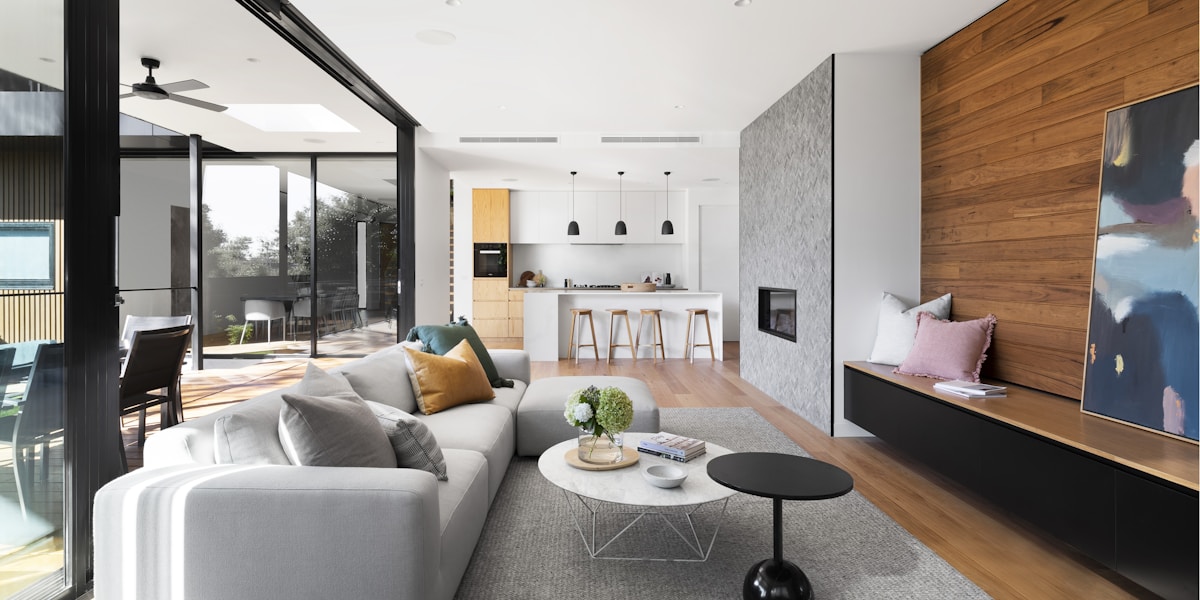
Coastal Organic Modernism: 7 Pacific Beach FAQs for 2026
The stark white minimalism that dominated Pacific Beach coastal homes is giving way to a warmer, more organic aesthetic in 2026. Design experts are calling this shift "soft modernism" or "coastal organic modernism"—a movement toward limewash walls, natural stone, curved architecture, and earth-toned color palettes that prioritize texture, warmth, and connection to nature over sterile perfection.
For Pacific Beach, La Jolla, Mission Beach, and Bird Rock homeowners planning coastal remodels in 2026-2027, this coastal organic modernism trend represents a fundamental shift in material selection, color choices, and spatial design. Unlike fleeting style movements, coastal organic modernism is rooted in principles of sustainability, craftsmanship, and biophilic design—connecting interior spaces to the outdoor coastal environment. This evolution in 2026 Pacific Beach remodeling trends prioritizes warmth and natural materials over cold minimalism.
Jackson Design & Remodeling, San Diego's premier design-build firm with 18 NARI awards, notes that homeowners are increasingly designing for themselves rather than for resale value. "We've been in this cloud of gray for such a long time that I think going a little bit warmer just feels more comfortable," said Jen Pinto, design department head at Jackson Design & Remodeling. For a detailed breakdown of how Jackson Design is implementing these principles, see our Jackson Design 2026 trends implementation guide. This represents a broader cultural shift toward personalization and wellness-driven design in coastal communities.
What Is Coastal Organic Modernism?
Coastal organic modernism merges minimalist architecture with organic coastal warmth through open layouts, sustainable materials, and light-driven design. Rather than the cold, industrial aesthetic of previous years, this coastal organic modernism approach emphasizes tactile finishes including limewash walls, microcement surfaces, ribbed tiles, sisal rugs, and woven cane accents. The philosophy centers on "quiet luxury"—quality, longevity, and understated elegance rather than over-decorating. For Pacific Beach coastal environments, this means specifying moisture-resistant and corrosion-resistant materials that maintain an organic aesthetic while withstanding salt-air exposure, which accelerates corrosion 5-10 times faster than inland environments.
Why Are Pacific Beach Homeowners Moving Away from Gray?
Millennial gray is officially on its way out in San Diego home design, replaced by earthy tones including clay, ochre, olive, and plum. According to Jackson Design & Remodeling designers, open floor plans, color drenching, and millennial gray are being replaced by separate dining rooms, earthy tones, and marble finishes. Medium-toned oak, walnut, and ash are dominating spec sheets, with wood replacing white as the most-specified island countertop in 2026. The shift reflects homeowner fatigue with monochrome interiors and a desire for warmth, personality, and connection to the Torrey Pines landscape. This movement toward warm materials in coastal design represents a fundamental pivot in aesthetic preferences. C2 Paint chose Epernay as its Color of the Year—a refined ochre with mineral undertones that channels French limestone and vintage textiles, signaling the industry's embrace of warmer palettes aligned with coastal organic modernism principles.
What Colors Define the Coastal Organic Palette for 2026?
The 2026 coastal organic palette features clay and terracotta tones that add warmth without heaviness, pairing beautifully with pale woods and sandy neutrals. Ochre brings golden undertones and optimism, while olive, sage, and eucalyptus shades reflect sustainable biophilic design. Deep jewel tones including plum and jade settle into spaces like tide pools settling into rock, creating visual depth. These hues evoke sun-warmed tiles, hand-thrown pottery, and sunset against whitewashed stone. For La Jolla and Bird Rock coastal properties, designers recommend moving beyond stark whites toward coastal sage, deep charcoals, and earthy neutrals that mirror the natural coastal environment while resisting the visible salt-air degradation that affects lighter finishes in marine environments.
How Does Indoor-Outdoor Living Fit This Trend?
Indoor-outdoor living remains central to Pacific Beach remodels, but the 2026 coastal organic modernism approach emphasizes seamless material transitions, curbless wet rooms, and outdoor kitchens with marine-grade specifications. High-end porcelain pavers are the preferred choice for coastal patios because porcelain is baked at intense temperatures making it 100% non-porous, preventing salt absorption and efflorescence. Projects in coastal La Jolla and Pacific Beach neighborhoods typically exceed $75,000 when including structural modifications, with landscaping renovations ranging from $2,600 to $13,700 for basic projects. For detailed cost breakdowns of coastal construction projects, see our analysis of coastal ADU construction costs and premiums. San Diego prices reflect a 10-20% premium over national averages due to higher labor rates, stricter permitting standards, and coastal building requirements for communities west of Interstate 5. Turner & Townsend forecasts 3.5% overall construction cost increases for San Diego in 2026.
What Are the Cost Implications for a La Jolla Remodel?
Bathroom renovations in coastal areas range from $18,000-$45,000 for standard hall bathrooms and $35,000-$90,000+ for primary spa bathrooms with wet rooms, freestanding tubs, and premium finishes. Kitchen remodels cost $45,000-$150,000+, with luxury kitchen design representing one of the most significant home investments a San Diego homeowner can make—the top 10% of spenders invest a median of $150,000. Statement islands often consume the largest portion of kitchen budgets, with 52% of homeowners choosing island lengths exceeding 7 feet. The island investment consistently delivers the most visual return. Realistic 2026 timelines should allocate 8-16 weeks for permit processing, with longer periods required for projects needing variance approvals or coastal development permits. Marine-grade materials add 15-20% to project costs but are essential for longevity in salt-air environments when implementing coastal organic modernism designs.
Which Materials Work Best in Coastal Environments?
For Pacific Beach and La Jolla coastal remodels implementing coastal organic modernism, specifications must explicitly list 316-grade stainless steel for kitchen appliances and AAMA 2605 finish for aluminum structures. Salt-air exposure requires hot-dipped galvanized stainless steel fasteners, Simpson Strong-Tie connectors with ZMAX or stainless finish, stainless steel or copper flashing, and marine-grade finishes for doors, windows, and railings. The coastal organic modernism aesthetic demands surfaces that lean toward microcement, light marble, and sustainable quartz, while backsplashes feature sea-tinted glass or hand-cut tiles in natural hues.
Marine-grade material selection goes beyond corrosion resistance to embrace the warmth central to coastal organic modernism. Teak and ipe hardwoods naturally weather to silvery-gray patinas that complement organic color palettes. For indoor applications, white oak with water-based natural finishes resists moisture while showcasing wood grain character. Fiber cement siding in earthy tones provides durability with the textural appeal that coastal organic modernism emphasizes. Window frames should specify powder-coated aluminum or fiberglass rather than vinyl, with colors in warm grays, sage greens, or charcoal blacks that harmonize with natural landscapes.
Avoid cheap aluminum or steel landscape lighting fixtures; instead use solid cast brass or copper fixtures that naturally patina but never rust or structurally fail. Limewash walls provide breathability needed in moisture-rich environments while adding textural warmth. FSC-certified woods, recycled metals, and organic textiles align with the sustainability principles of coastal organic modernism, ensuring your Pacific Beach home embodies both environmental responsibility and enduring aesthetic appeal.
How Long Will This Trend Last?
Unlike fleeting style movements, coastal organic modernism is described as "not a trend" but rather "the most enduring aesthetic of 2026." Design experts argue this represents a fundamental philosophy rather than a temporary fad, rooted in Mid-Century Modern functionality, Japanese Wabi-Sabi principles, and the innate human need for nature. The style's longevity stems from its reliance on clean lines, neutral colors, and natural materials that age well rather than short-lived trends. Wood, stone, and soft textures remain relevant as design preferences evolve. The "form follows function" principle ensures practical purpose prevents designs from becoming irrelevant. The neutral palette allows homeowners to layer in personal touches over time without costly overhauls. Market validation confirms the organic modern 2026 trend shows no signs of fading, representing a meaningful shift toward timeless design that avoids the visual sameness that eventually plagued farmhouse and millennial gray aesthetics.
This article provides general information about coastal organic modernism design trends and their implementation in coastal environments for educational purposes. Material specifications and costs can vary. Always consult with qualified professionals—designers, architects, and licensed contractors—and verify current pricing and coastal durability requirements before making renovation or material selection decisions.