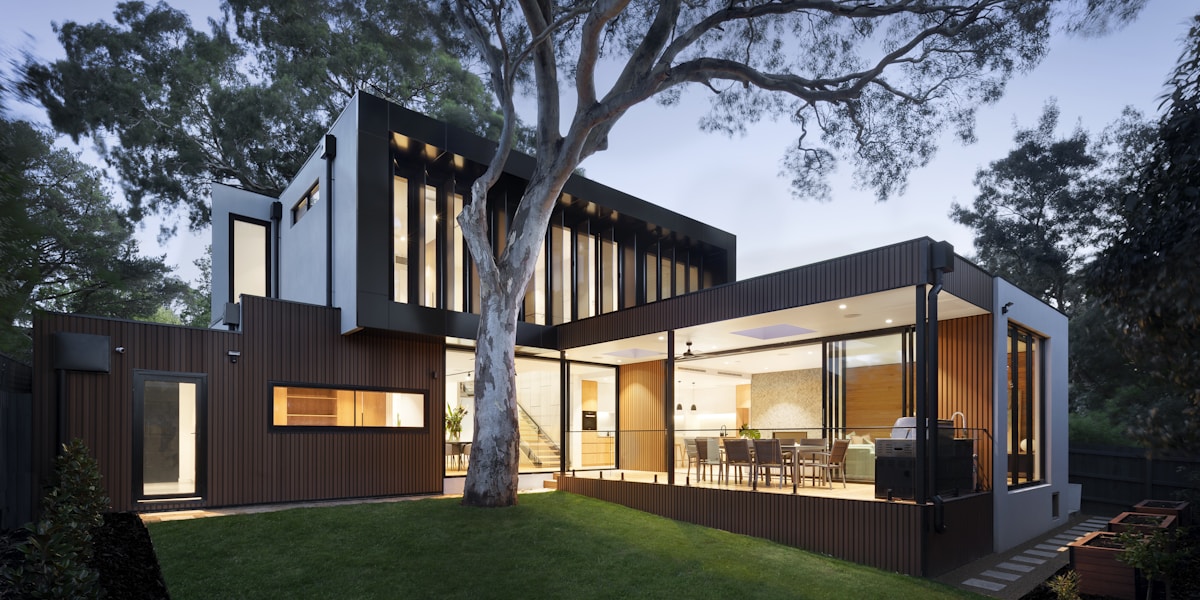
Coastal Japandi ADU Design Takes Over Pacific Beach: 2026 Trend Guide with Net-Zero Systems and Rental Income Analysis
The Pacific Beach ADU market has witnessed a dramatic aesthetic shift in 2026. Gone are the cold gray walls and stark white minimalism that dominated the previous five years. In their place, a warm, organic design philosophy has emerged that perfectly captures the California coastal lifestyle: Coastal Japandi. This design movement combines Japanese wabi-sabi principles with Scandinavian hygge comfort and California ease, creating 800-1,200 square foot ADUs designed as premium rental income properties with net-zero energy systems and rental rates reaching $2,800-$3,500 per month.
The Pacific Beach ADU market has witnessed a dramatic aesthetic shift in 2026. Gone are the cold gray walls and stark white minimalism that dominated the previous five years. In their place, a warm, organic design philosophy has emerged that perfectly captures the California coastal lifestyle: Coastal Japandi.
This design movement—combining Japanese wabi-sabi principles with Scandinavian hygge comfort and California ease—isn't just another fleeting trend. It represents a fundamental rethinking of how coastal ADUs should look, feel, and function. Property owners in Pacific Beach, La Jolla, and Mission Beach are now building larger 800-1,200 square foot ADUs designed as premium rental income properties, complete with separate net-zero energy systems and rental rates reaching $2,800-$3,500 per month.
If you're considering an ADU project in 2026, understanding this design shift could mean the difference between a dated investment and a timeless property that maintains value and rental appeal for decades.
What Is Coastal Japandi Design?
Coastal Japandi represents the marriage of three distinct design philosophies. Japanese wabi-sabi celebrates imperfection and impermanence—the beauty found in weathered wood grain, asymmetrical ceramics, and surfaces that bear time's honest marks. Scandinavian hygge transforms minimalism from stark reduction into warm refuge, emphasizing coziness and inviting atmospheres. The coastal California influence adds ease, natural light, and connection to the outdoors.
According to J-Life International's 2026 design analysis, "Japandi interior design 2026 is described as a seamless fusion of Japanese minimalism and Scandinavian functionality. As we enter 2026, interiors are becoming warmer, softer, more personal, and beautifully layered, with an emphasis on comfort, craftsmanship, and effortless everyday living."
The result is a design aesthetic that feels both refined and approachable—minimalist without being cold, natural without being rustic.
Key Material Elements
Coastal Japandi ADUs rely on a specific material palette that creates warmth while maintaining clean lines:
Woods: White oak flooring, cedar siding, walnut accents. Natural materials and organic textures contribute to sustainability and durability, with wood like pine, beech, oak, and bamboo used for their grainy textures and warm appearance. As House of Nuances notes, "A hardwax oil or natural soap finish preserves the wood's tactile quality, with the surface feeling slightly porous—receptive to light rather than reflective—and matte being non-negotiable."
Wall Treatments: Lime wash has become the signature finish for Coastal Japandi interiors. According to KEIM USA's analysis, "Lime wash can be tinted and applied across walls to achieve a quality that introduces subtle surface variation without competing with timber joinery." The breathable, textured finish is ideal for coastal environments and ages beautifully.
Tiles: Handcrafted ceramic tiles in organic shapes and earth tones create focal points in kitchens and bathrooms. The artisan quality emphasizes the wabi-sabi philosophy of celebrating handmade imperfection.
Hardware and Fixtures: Matte black or brushed brass—never chrome. Black aluminum window frames have become the defining exterior element of Coastal Japandi ADUs.
Lighting: Woven pendants, natural materials like rattan and bamboo, and warm LED temperatures (2700-3000K) create inviting atmospheres without harsh overhead lighting.
Color Palette: Moving Beyond Gray
The most dramatic departure from previous trends is the color story. Interior design experts tracking 2026 trends note that "warmer tones are replacing the once-dominant neutral palette, with earthy browns, muted greens, and terracotta enriching the spaces, while textural diversity offers a sensory balance that feels more layered and personal."
Coastal Japandi palettes feature:
- Warm off-whites and soft beiges (instead of stark white)
- Natural wood tones from pale oak to rich walnut
- Muted sage greens and soft terracotta accents
- Deep blues reminiscent of coastal waters
- Charcoal and warm grays (not cool industrial grays)
This shift addresses tenant preferences for spaces that feel welcoming rather than clinical—a critical consideration when rental income is the primary goal.
Why Pacific Beach Property Owners Are Building Larger ADUs
A significant trend has emerged alongside the aesthetic shift: ADU sizing has dramatically increased. According to Ataman Studio's comprehensive ADU size analysis, "An 800 sq ft ADU is one of the most common configurations in California, largely because state regulations allow this size 'by right' in most jurisdictions, minimizing permitting constraints."
The 800-1,200 square foot range has become the sweet spot for Pacific Beach ADUs, and the reasons are purely economic:
Rental Income Justifies Premium Construction
Larger, well-designed ADUs command significantly higher rents. Research from Pacific Beach Builder's market analysis shows that "detached ADUs in coastal San Diego command $2,500-$4,000 monthly in 2026, with Pacific Beach averaging $2,800-$3,500 for one-bedroom units."
More specifically, "an 800-square-foot detached ADU in Pacific Beach can reasonably generate $3,000-$3,500 per month in long-term rental income, producing annual income of $36,000-$42,000."
Compare this to smaller 400-600 square foot units, which typically rent for $1,800-$2,200 in the same market. The additional rental income more than justifies the increased construction cost.
Tenant Demand for Complete Living Spaces
Coastal renters in Pacific Beach are increasingly seeking full living environments, not micro-apartments. An 800-1,000 square foot ADU allows for:
- Separate bedroom with proper closet space
- Full kitchen with island or peninsula seating
- Distinct living area with room for sectional seating
- Bathroom with walk-in shower or tub option
- Dedicated laundry area
- Storage solutions that prevent clutter
These features attract long-term tenants willing to pay premium rents, reducing turnover and vacancy periods.
Regulatory Flexibility
California's ADU regulations have evolved to support larger units. According to San Diego ADU laws 2026, "The maximum size for a detached ADU in California is 1,200 square feet under state law," and "ADUs 750 sq ft or smaller are exempt from all impact fees—a major cost reduction that historically added $8,000 to $15,000 to a project."
This creates a strategic decision point: build 750 square feet or smaller to avoid impact fees, or build 800-1,200 square feet to maximize rental income. For rental-focused property owners, the higher income typically outweighs the fee savings.
Net-Zero ADU Systems for Pacific Beach Coastal Properties: Solar, Battery, and EV Charging Integration
The 2026 Coastal Japandi ADU isn't just about aesthetics—it's about creating self-sufficient structures that minimize operating costs and maximize tenant appeal. Net-zero energy systems have transitioned from premium upgrades to expected standard features.
Separate Solar and Battery Systems
Unlike previous approaches that shared main house solar systems, modern ADUs feature dedicated energy infrastructure. According to the 2025 California building code requirements, "Section 150.0(s) of the 2025 Energy Code requires that all newly constructed single-family buildings with one or two dwelling units, where the load-serving entity provides the dwelling unit electrical service greater than 125 amps must be battery energy storage system (BESS) ready."
Key requirements include:
- BESS-ready interconnection equipment with minimum backed-up capacity of 60 amps
- Minimum of four BESS-supplied branch circuits
- Equipment capable of automatic or manual isolation from utility power
For ADU applications, this translates to solar panels sized specifically for the ADU's consumption (typically 4-6 kW systems) paired with battery storage (typically 10-13 kWh capacity).
System Costs and ROI
As of May 2026, California solar installation costs average $2.52 per watt including installation. "A 5 kW system will only cost you $12,620 in California" before incentives—appropriate sizing for an 800-1,000 square foot ADU.
Battery storage adds approximately $12,000-$16,000 for a 13 kWh system, according to EnergySage's 2026 California storage cost data, which reports "the average storage system cost in California is $1,074/kWh."
Total investment for net-zero capability: approximately $25,000-$30,000.
The ROI comes through multiple channels:
- Reduced Operating Costs: Tenants enjoy minimal utility bills, justifying higher rents
- Tenant Attraction: Net-zero features are powerful marketing differentiators
- Property Value: Studies show energy-independent features command premium valuations
- Resilience: Backup power during outages increases tenant satisfaction and retention
- Incentive Programs: The San Diego County Green Building Incentive Program provides additional benefits for net-zero ADU construction
EV Charging as Standard Amenity
Dedicated EV charging stations have become expected amenities in premium coastal ADUs. With California's push toward electric vehicle adoption, providing Level 2 charging (240V, 40-50 amp circuit) adds approximately $800-$1,500 in installation costs but significantly broadens the tenant pool.
Better Place Design Build's ADU ROI assessment notes that net-zero features and EV charging "increase rental appeal" and allow properties to "command premium pricing in coastal markets."
Pacific Beach ADU Pricing Reality 2026: What $180k-$450k Actually Gets You
Transparent pricing information remains scarce in the ADU market, but 2026 data provides clear benchmarks for Pacific Beach property owners.
Construction Cost Breakdown
According to SnapADU's comprehensive 2026 cost analysis, "The total cost to build a detached ADU in San Diego typically ranges from $375-$600+ per square foot depending on the ADU's size for turnkey construction." Understanding San Diego construction costs in 2026 is critical for accurate budgeting, as material prices have been impacted by recent tariffs on steel, lumber, and concrete.
For an 800 square foot Coastal Japandi ADU:
- Base Construction: $300,000-$400,000 ($375-$500/sq ft)
- Premium Finishes: Add 15-20% for authentic Coastal Japandi materials
- Site Work: $15,000-$40,000 (grading, foundation, utilities)
- Net-Zero Systems: $25,000-$30,000 (solar, battery, EV charging)
Permit and Regulatory Costs
Permit fees represent a significant but often underestimated cost. Streamline Design Group's 2026 fee analysis breaks down the costs:
- Building Permits: $3,000-$8,000
- Plan Check Fees: 65% of building permit fee
- Impact Fees: $5,000-$15,000 (waived for units under 750 sq ft per SB 13)
- Water/Sewer Connection: $7,200-$12,000 for new connections
- School District Fees: $5.17 per square foot for units over 500 sq ft
"Average total permit costs range from $6,500 for a 400 square foot unit to $21,000 for a 1,200 square foot ADU," according to City of San Diego 2025 fee schedules.
All-In Investment: Realistic Budget
For a typical 800-1,000 square foot Coastal Japandi ADU with net-zero systems in Pacific Beach:
| Cost Category | Low Range | High Range |
|---|---|---|
| Base Construction | $300,000 | $400,000 |
| Premium Coastal Japandi Finishes | $45,000 | $80,000 |
| Site Work & Utilities | $15,000 | $40,000 |
| Net-Zero Systems | $25,000 | $30,000 |
| Permit & Regulatory Fees | $15,000 | $25,000 |
| Contingency (10%) | $40,000 | $57,500 |
| Total Investment | $440,000 | $632,500 |
Most Pacific Beach projects land in the $450,000-$550,000 range for turnkey delivery.
Return on Investment Analysis
At $3,000 monthly rent, an 800 sq ft ADU generates $36,000 annually. On a $500,000 total investment with 20% down payment ($100,000), assuming a 30-year mortgage at 7% interest:
- Annual mortgage payment: $31,864
- Annual net income after mortgage: $4,136
- Cash-on-cash return: 4.1% on down payment
The calculation improves dramatically when considering:
- Mortgage principal paydown (building equity)
- Property appreciation (historically 4-6% annually in Pacific Beach)
- Tax deductions (mortgage interest, depreciation)
- Long-term rental income after mortgage payoff
According to Pacific Beach Builder's investment analysis, "A $350,000 Pacific Beach ADU generating $2,800 monthly rent produces approximately 24% cash-on-cash return on a 20% down payment."
Coastal Japandi Material Palette for Pacific Beach: Contractor Specification Guide
Implementing authentic Coastal Japandi design requires specific material selections that honor both the aesthetic and the coastal environment.
Wood Selection for Salt Air Environments
Coastal construction demands careful wood species selection. Modern Mill's sustainable coastal materials guide emphasizes that "some woods, like cedar, ipe, mahogany, and teak, have naturally occurring rot-resisting properties."
For Coastal Japandi ADUs:
- Siding: Cedar (Western Red Cedar preferred) with clear water-repellent preservative
- Flooring: White oak with hardwax oil finish (not polyurethane)
- Accent Wood: Walnut for cabinetry and built-in shelving
- Exterior Trim: Fiber cement in wood grain textures (superior coastal durability)
Better Builders' coastal materials analysis notes that "excellent corrosion-protection coatings are now available to shield wood from harsh weather conditions," and recommends "high-performance options like Kynar 500 coatings and marine-grade paints" for extended lifespan.
Lime Wash Application
Lime wash wall treatments define Coastal Japandi interiors. According to Lime-Wash EU's Japandi style guide, "Limewash paint fits perfectly into the Japandi trend, offering an eco-friendly solution with a unique texture and matte finish that emphasizes the natural beauty of interiors."
Application specifications:
- Two coats minimum over properly prepared drywall or plaster
- Natural pigments in warm neutrals (oat, soft beige, warm gray)
- Matte finish maintained (never seal with gloss topcoats)
- Embraces subtle color variation as part of the aesthetic
Hardware and Fixture Selection
The details matter in Coastal Japandi design:
- Cabinet Hardware: Matte black or brushed brass pulls and knobs
- Plumbing Fixtures: Matte black faucets and shower systems (ensure PVD coating for coastal durability)
- Door Hardware: Lever handles in matte black or satin brass
- Windows: Black aluminum frames (powder-coated for salt air resistance)
- Light Fixtures: Natural materials (rattan, bamboo, paper), matte black metal, or warm brass
Flooring Beyond Wood
Wall Panels World's Japandi design guide recommends that "natural stone, polished concrete, and ceramic tiles in earthy tones complement the aesthetic" while providing durability in high-traffic areas.
For ADU bathrooms and entries: large-format porcelain tile in limestone or sandstone textures, with matte or honed finishes (never glossy).
Why Timeless Design Matters in Coastal ADU Markets
The decision to embrace Coastal Japandi over more trendy aesthetics reflects deeper market understanding.
Home Turnover Cycles in Pacific Beach
Pacific Beach properties typically change ownership every 7-12 years. A design choice made in 2026 will face market scrutiny in 2033-2038. Will it look dated? Will it limit buyer appeal?
Remade Home Construction's 2026 trend analysis emphasizes that Coastal Japandi "isn't just pretty—it's timeless, which is critical in a city where homes change hands every 7-12 years."
Natural Materials Age Gracefully
Unlike synthetic finishes that deteriorate or date quickly, the natural materials central to Coastal Japandi improve with age:
- Oak floors develop rich patina
- Cedar siding weathers to elegant gray (or maintains color with proper treatment)
- Lime wash develops character while remaining fresh
- Brass hardware develops natural patina
- Ceramic tiles remain timeless
This aging process aligns with wabi-sabi philosophy, where weathering enhances rather than diminishes beauty.
Avoiding Trend Traps
Design trends that felt cutting-edge in 2020—industrial-chic exposed ductwork, all-gray color schemes, ultra-modern angular furniture—already feel dated in 2026. According to Ideal Home's expert analysis on Japandi trends, the style persists because it's "rooted in philosophy rather than fleeting aesthetic preferences."
The risk with trendy design in rental properties is tenant appeal erosion. A dated ADU will:
- Rent for less than market rate
- Experience higher vacancy periods
- Require costly updates sooner
- Reduce property value at resale
Coastal Japandi's foundation in natural materials, neutral palettes, and clean lines provides longevity that protects investment value.
Implementing Coastal Japandi in Pacific Beach: Contractor Expertise Requirements
Successfully executing Coastal Japandi ADU design requires specialized knowledge beyond standard construction.
Design Partnerships
Authentic Coastal Japandi implementation benefits from design professionals familiar with both Japanese and Scandinavian principles. Interior designers who understand:
- Proper proportions and spatial flow (ma—negative space in Japanese design)
- Material authenticity (avoiding fake finishes or shortcuts)
- Color theory for warm neutrals
- Lighting design for ambiance
Material Sourcing Challenges
Coastal Japandi materials often require specialty suppliers:
- Authentic lime wash (not standard latex "lime wash look" paint)
- Handcrafted ceramic tiles from artisan sources
- Properly finished wood products (hardwax oil, not polyurethane)
- Quality matte black plumbing fixtures with proper coastal coatings
Contractors unfamiliar with these materials may substitute standard alternatives that undermine the aesthetic.
Net-Zero System Integration
Coordinating solar panel placement, battery storage installation, and electrical system design requires expertise in:
- Solar array design and roof load calculations
- Battery placement and ventilation requirements
- Electrical panel upgrades and BESS-ready compliance
- EV charging circuit installation
- Proper permitting for all energy systems
According to Gather ADU's solar requirements guide, "An all-electric ADU paired with solar panels can achieve net-zero energy consumption, meaning the solar panels generate as much energy as the ADU uses," but proper system sizing and integration is critical to performance.
Coastal Construction Expertise
Salt air creates unique challenges. Konrad Yan & Son Construction's coastal protection guide explains that "salt in the air accelerates corrosion on metals and can degrade finishes over time, while high humidity promotes moisture absorption that can lead to warping, swelling, or rot in wood-based products."
Coastal-experienced contractors implement:
- Enhanced moisture barriers and ventilation
- Marine-grade fasteners and hardware
- Proper wood treatments and maintenance schedules
- Corrosion-resistant materials selection
- Salt spray-resistant finishes and coatings
Permit Navigation Efficiency
While California has streamlined ADU permitting, coastal zones still require additional approvals. Recent legislation has improved timelines: AB 462 coastal ADU permit improvements established "60-day approval for Pacific Beach" ADU projects, down from previous 6-12 month timelines.
Experienced contractors leverage:
- Pre-approved ADU plans under AB 434 (30-day permit timelines)
- Complete Communities program eligibility
- Proper documentation to avoid plan check rejections
- Relationships with city planners and inspectors
Conclusion: Building Value Through Timeless Design
The 2026 Coastal Japandi ADU movement represents more than aesthetic preference—it reflects a fundamental understanding of what creates lasting value in coastal real estate. By combining natural materials that age gracefully, design principles rooted in centuries of philosophy rather than fleeting trends, and net-zero systems that reduce operating costs while increasing tenant appeal, property owners create investments that maintain relevance and rental income for decades.
For Pacific Beach, La Jolla, and Mission Beach property owners considering ADU development, the decision extends beyond immediate construction costs to long-term returns. An 800-1,000 square foot Coastal Japandi ADU generating $3,000-$3,500 monthly rent provides substantial annual income while building equity through mortgage paydown and property appreciation.
The $450,000-$550,000 investment required for turnkey construction with net-zero systems represents serious capital commitment, but the alternative—building with dated design, inadequate systems, or compromised materials—creates properties that depreciate in appeal and command lower rents within years rather than decades.
As California's ADU boom continues, with San Diego County seeing consistent year-over-year growth, the properties that stand apart will be those that honor both current needs and timeless principles. Coastal Japandi design provides that rare combination: contemporary relevance grounded in enduring values.
For contractors and property owners alike, mastering this aesthetic shift isn't optional—it's the difference between creating disposable structures and building lasting value in one of California's most desirable coastal markets.
Contact Pacific Beach Builder for Coastal Japandi ADU Expertise
Pacific Beach Builder specializes in implementing Coastal Japandi ADU design with materials engineered for salt-air durability and net-zero energy systems. We'll help you design an 800-1,200 square foot ADU that maximizes rental income potential ($2,800-$3,500/month) while creating a timeless aesthetic that maintains value for decades.
Our team coordinates coastal-experienced designers, sources authentic Coastal Japandi materials (lime wash, hardwax oil wood finishes, handcrafted ceramics), integrates solar/battery/EV charging systems, and navigates AB 462's streamlined 60-day coastal development permit process. Every project balances investment returns with lasting design principles.
Contact Pacific Beach Builder for a free Coastal Japandi ADU consultation:
- Phone: +1-858-290-1842
- Website: pacificbeachbuilder.com
- Email: info@pacificbeachbuilder.com
Let's discuss how Coastal Japandi design principles—warm woods, lime wash walls, net-zero systems, and timeless material choices—can transform your Pacific Beach property into a premium rental income asset.