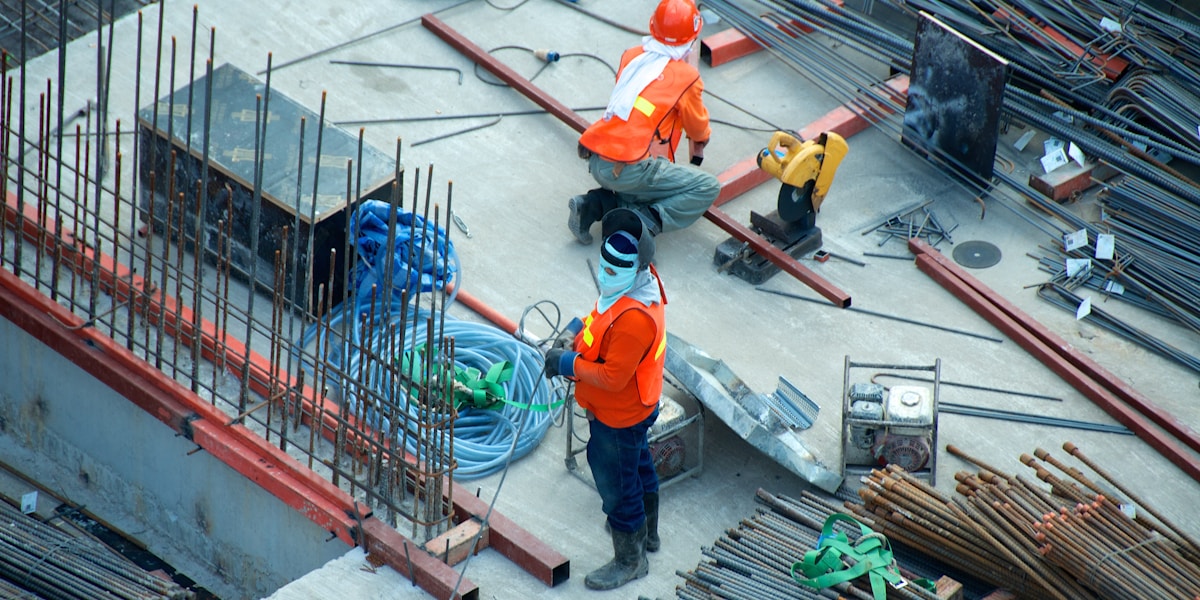
Biochar Concrete: Carbon-Negative Building Material for Pacific Beach Coastal Construction 2026
The construction industry faces a carbon crisis with cement production accounting for 8% of global CO2 emissions. But in 2026, biochar concrete has moved from laboratory research to live construction sites in Pacific Beach, La Jolla, and Mission Beach—actively removing carbon from the atmosphere while delivering superior structural performance for San Diego's 92109 coastal zone.
The construction industry faces a carbon crisis. Cement production alone accounts for 8% of global CO2 emissions, making concrete one of the most carbon-intensive materials on the planet. But in 2026, a revolutionary solution has moved from laboratory research to live construction sites in Pacific Beach and La Jolla: biochar concrete that actively removes carbon from the atmosphere while delivering superior structural performance for San Diego's coastal communities.
Biochar concrete replaces 5-33% of Portland cement with biochar—a charcoal-like material produced from organic waste through high-temperature pyrolysis. Unlike conventional "low-carbon" concrete that merely reduces emissions, biochar concrete achieves net-negative carbon footprints, storing more than 1 pound of CO2 for every pound of biochar incorporated. In March 2026, Holcim UK completed live construction trials at Canary Wharf achieving -14 kg CO2 per cubic meter—the industry's first verified carbon-negative concrete. This technology is now available for Pacific Beach coastal construction projects from Tourmaline Surfing Park to Bird Rock.
For Pacific Beach and Mission Beach builders navigating California's Title 24 Part 11 embodied carbon requirements (effective January 1, 2026), biochar concrete offers a practical pathway to meet 10% reduction mandates while earning LEED v5 credits. Bay Area deployments including Sonoma school projects and San Francisco infrastructure demonstrate commercial viability, with manufacturers like Terrabite, Pacific Biochar, and Carbo Culture scaling production to serve California markets including San Diego's 92109 coastal zone. This comprehensive guide explains how biochar concrete works, documents real-world performance data, and provides specification strategies for Pacific Beach, La Jolla, and Mission Beach coastal construction projects.
The emergence of sustainable concrete alternatives for San Diego builders in 2026 marks a critical inflection point for the construction industry. As eco-friendly building materials gain traction across California, green construction California standards continue to evolve with Title 24 Part 11 and LEED v5 requirements. Low-carbon concrete technologies like biochar formulations provide practical solutions that meet both regulatory mandates and market demand for verified carbon reduction. Pacific Beach's coastal location near Crystal Pier and Mission Bay creates ideal conditions for biochar concrete adoption—combining compliance benefits with enhanced durability performance that extends service life in aggressive salt exposure environments common throughout the 92109 zip code and adjacent La Jolla Shores areas.
What Is Biochar Concrete? Technology Fundamentals for Pacific Beach and La Jolla Builders
Biochar concrete integrates biochar—a stable, carbon-rich material produced by heating organic waste (wood residues, agricultural byproducts, food waste) in oxygen-limited environments at 400-700°C—into standard concrete mixes as a partial cement replacement or aggregate substitute. Pacific Beach and San Diego builders can deploy this technology for residential and commercial projects throughout the 92109 coastal zone.
How Biochar Production Works
Pyrolysis technology transforms organic feedstock into biochar by heating materials to 400-700°C in the absence of oxygen. This process traps carbon that would otherwise be released as CO2 during natural decomposition, creating a stable material that can sequester carbon for 100+ years when incorporated into concrete. Each kilogram of biochar prevents the release of up to 3 kilograms of CO2 equivalent.
Biochar Concrete Mix Design Options
Commercially available formulations in 2026 offer flexibility based on project requirements:
| Cement Replacement | Target Strength | Application | Carbon Impact |
|---|---|---|---|
| 5% biochar | 4,500 psi | Structural foundations, load-bearing walls | 15-20% emissions reduction |
| 10% biochar | 4,000 psi | General construction, slabs, columns | 30-40% emissions reduction |
| 20% biochar | 3,500 psi | Non-structural elements, thermal upgrade | 40-50% emissions reduction |
| 30-33% biochar | 3,000-4,000 psi | Specialty applications, carbon-negative target | Net negative carbon footprint |
Research published in 2025-2026 demonstrates that substituting 10% of cement with biochar can increase compressive strength by 10-30% compared to control mixes. When biochar replaces both cement (10%) and aggregate (6%), final samples maintain comparable compressive strength to conventional concrete while delivering net carbon removal of -30 kg CO2 per 1,100 kg of concrete poured.

Carbon footprint comparison: Biochar concrete achieves -14 to -68 kg CO2/m³ versus +150-200 kg for conventional mixes
Performance Mechanisms
Biochar's porous structure (specific surface area up to 500 m²/g) enhances concrete performance through multiple mechanisms: improved hydration efficiency as pores provide nucleation sites for cement hydration products, reduced permeability by filling micro-voids in the cement matrix (40% reduction in water permeability at 2% dosage), enhanced chloride and sulfate resistance critical for Pacific Beach and La Jolla coastal construction environments, and improved fire resistance and thermal insulation properties for San Diego projects.
For Pacific Beach, Mission Beach, and Bird Rock applications, biochar concrete addresses two critical challenges simultaneously: meeting California's new embodied carbon reduction mandates (Title 24 Part 11 requires 10% reduction for commercial buildings over 50,000 SF) and improving durability in aggressive coastal environments where salt exposure near Crystal Pier and the Pacific Beach boardwalk accelerates corrosion. The technology represents a drop-in solution requiring no specialized equipment—standard industrial grinders, cement mixers, and placement methods apply for San Diego contractors throughout the 92109 area.
Real-World Deployments: Holcim Canary Wharf and California Projects
Biochar concrete has transitioned from research concept to commercial reality in 2026, with multiple high-profile projects demonstrating viability at scale.
Holcim UK Canary Wharf Trials (2025-2026)
In March 2026, Holcim UK and Canary Wharf Group achieved a construction industry milestone: the world's first carbon-negative concrete with a verified carbon footprint of -14 kg CO2 per cubic meter (net GWP A1-A3 cradle-to-gate). The biochar mix incorporated carbon-rich material produced from coppiced wood and spent coffee grounds collected from Canary Wharf outlets.
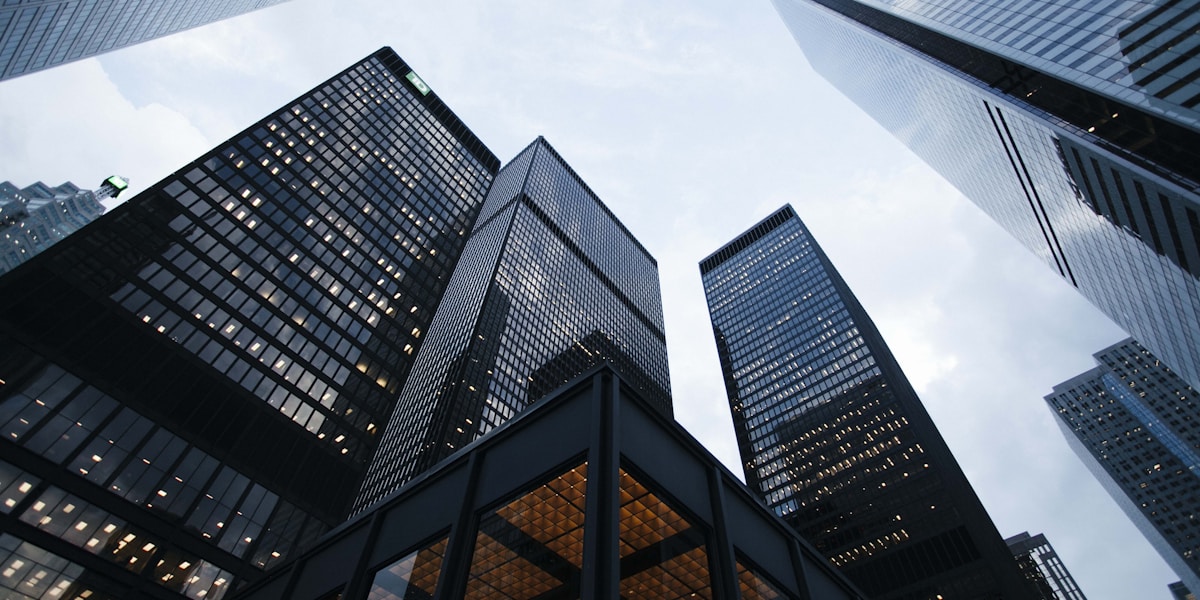
Holcim UK Canary Wharf project: First verified carbon-negative concrete deployment at -14 kg CO2/m³
Live construction trials included:
- April 2025: Trial pours beneath the new theatre at Wood Wharf testing formulation and placement techniques
- September 2025: Two-meter-deep raft slab pours at Bank Street demonstrating structural application viability
- March 2026: Commercial deployment with verified carbon-negative performance
Holcim partnered with ELEMENTAL (renowned architect Alejandro Aravena's firm) to integrate biochar concrete into mainstream construction workflows. The project demonstrated that biochar made from forestry residues and food waste can turn buildings into carbon sinks rather than carbon sources.
California Bay Area Deployments
Sonoma Biochar Initiative represents California's most established biochar production and deployment program:
- Biochar Production Facility: American Canyon facility began operations March 2025 through collaboration of Sonoma Ecology Center, Napa Recycling & Waste Services, A Plus Tree, and ARTi
- School Greening Projects (2024-2026): CAL FIRE grant funded planning for 12 elementary schools (4 in Santa Rosa, 8 in Pittsburg/SF East Bay) incorporating biochar into soil treatments, bioswales, and outdoor classroom construction
- Stoneman Elementary Implementation: December 2025 construction completion in Pittsburg with Pittsburg Unified School District, followed by environmental education programs starting February 2026
While these projects primarily focused on biochar-enriched soil and landscaping applications, the infrastructure represents scalable feedstock production capacity to support concrete applications. Sonoma Biochar Initiative documents emerging uses including "replacement ingredient in asphalt for road construction and as an input for other construction materials such as wallboard and concrete."
North Carolina Commercial Deployment (Terrabite)
Terrabite, a biochar concrete startup, has completed initial commercial deployments demonstrating food waste-to-concrete pathways:
- 31,000 lbs concrete placed (as of October 2025)
- 10,138 lbs CO2 sequestered (claimed stable 100+ years)
- 12,110 lbs food waste diverted from landfills
- 5-10% replacement mixes commercially available with 4,000-4,500 psi strength
- Triangle Area, NC expansion planned for 2026 with Launch Chapel Hill accelerator support
Terrabite's demonstrated performance includes ASTM C94/ACI 318 compliance targets, 4-7% air content (ASTM C231), and ~15% thermal improvement versus control mixes based on literature validation.
Market Outlook
Industry analysts note that "mainstream applications of biochar are becoming more widespread, with customers no longer viewing biochar as a niche experimental additive." Holcim has declared biochar concrete one of its top 5 construction innovations for 2026, signaling major producer commitment to commercialization.
Carbon Math: How Biochar Concrete Achieves Net-Negative Performance
Understanding biochar concrete's carbon-negative claims requires examining the full lifecycle carbon accounting.
Baseline Portland Cement Emissions
Conventional Portland cement concrete carries an embodied carbon footprint of approximately 150-200 kg CO2 per cubic meter depending on mix design, aggregate sourcing, and transportation distances. A typical 4,000 psi residential foundation mix contains 300-350 kg cement per cubic meter, contributing 120-140 kg CO2 from cement production alone.
Biochar Carbon Sequestration Mechanisms
Biochar delivers carbon benefits through three distinct mechanisms:
- Direct Carbon Storage: Biochar is approximately 70-85% stable carbon by weight. When organic waste undergoes pyrolysis, carbon that would decompose and release CO2 becomes locked into a stable form that resists degradation for 100-1,000+ years. Each kilogram of biochar stores approximately 2.5-3.0 kg of CO2 equivalent.
- Cement Displacement: Replacing 10% of Portland cement eliminates 30-35 kg of cement per cubic meter, avoiding 12-14 kg CO2 from cement production.
- Enhanced Durability: Biochar's enhancement of concrete durability (40% reduction in permeability, improved chloride resistance) extends service life, amortizing embodied carbon over longer periods.
Carbon-Negative Performance Data
Carbo Culture's pilot project demonstrates the carbon math with real numbers:
- Total concrete poured: 1,100 kg
- 10% cement replacement with Biographite biochar: 45 kg CO2 stored
- 6% aggregate replacement with biochar: 94 kg CO2 stored
- Cement production avoided: ~12 kg CO2 reduction
- Net carbon removal: -30 kg CO2 for 1,100 kg concrete
- Per cubic meter equivalent: Approximately -68 kg CO2/m³
Holcim UK's Canary Wharf deployment achieved -14 kg CO2/m³ using a more conservative biochar loading optimized for commercial structural applications.
Comparison to Low-Carbon Alternatives
| Concrete Type | Carbon Footprint (kg CO2/m³) | Reduction vs Baseline |
|---|---|---|
| Conventional Portland cement | 150-200 | Baseline |
| Fly ash blend (30% replacement) | 105-140 | 30% reduction |
| Slag cement blend (50% replacement) | 75-100 | 50% reduction |
| Alkali-activated materials (AAM) | 60-120 | 30-60% reduction |
| Biochar concrete (10% replacement) | 80-110 | 35-45% reduction |
| Biochar concrete (20-30% replacement) | -14 to -68 | Net carbon negative |
Research confirms that incorporating 2-3% biochar in conventional cement or cement with supplementary cementitious materials reduces CO2 emissions by 15-30% compared to samples without biochar. Some studies estimate biochar-enhanced concrete can store up to 30 kg CO2e per cubic meter depending on dosage and feedstock carbon intensity.
LEED v5 and Title 24 Part 11 Compliance
California's Title 24 Part 11 (effective January 1, 2026) requires commercial buildings over 50,000 SF to achieve 10% embodied carbon reduction through one of three pathways: building reuse (45%+ existing structure), whole building life cycle assessment (WBLCA) showing 10%+ reduction, or environmental product declarations (EPDs) for steel, glass, mineral wool, and concrete below 175% of industry average GWP.
Biochar concrete at 10-20% replacement levels easily exceeds the 10% reduction threshold, providing compliance headroom. For LEED v5 projects, the Reduce Embodied Carbon credit (up to 6 points) rewards GWP reduction in building structure and enclosure. Biochar concrete qualifies as a low-GWP material, with carbon-negative formulations (20-30% replacement) offering maximum point potential.
Performance Specifications: Strength, Durability, and Coastal Applications
Pacific Beach, La Jolla, and Mission Beach builders require concrete that performs in aggressive coastal environments while meeting structural code requirements. Biochar concrete delivers on both fronts with performance data validated through 2025-2026 deployments.
Why Pacific Beach's Coastal Environment Demands Enhanced Concrete Durability
The Pacific Beach coastal zone presents unique construction challenges that make biochar concrete particularly valuable for properties from Crystal Pier to Bird Rock. San Diego's 92109 zip code sits within the 1,000-foot coastal zone regulated by the California Coastal Commission, where salt-laden ocean air creates aggressive exposure conditions accelerating concrete deterioration at rates 3-5 times faster than inland San Diego neighborhoods like Clairemont or Grantville.
Properties near Crystal Pier, the Pacific Beach boardwalk, and Mission Bay waterfront experience constant salt exposure that drives chloride penetration into conventional concrete. Chloride ions migrate through pores in the cement matrix, reaching embedded steel reinforcement and initiating corrosion. As steel corrodes, it expands—creating internal pressure that cracks and spalls concrete surfaces. This deterioration cycle typically manifests within 10-15 years for standard concrete in Pacific Beach coastal applications, compared to 25-35 years for similar structures in inland areas.
Biochar concrete's 40% permeability reduction provides critical protection for 92109 coastal properties. The biochar particles fill micro-voids in the cement matrix, creating a denser barrier that slows chloride migration. For a Pacific Beach foundation near Tourmaline Surfing Park or a La Jolla Shores seawall, this translates to extended service life of 20-30 years before repair intervention becomes necessary—avoiding costly spalling repairs that range from $50-$150 per square foot in San Diego's coastal market.
The City of San Diego Green Building Policy (Resolution R-311697, adopted 2016) encourages enhanced durability specifications for coastal zone construction. While the policy primarily addresses energy efficiency and renewable energy, its broader sustainability framework supports material selections that reduce lifecycle environmental impact through extended service life. Biochar concrete aligns with this policy direction by delivering both carbon reduction and durability enhancement for Pacific Beach and Mission Beach projects.
Pacific Beach Community Plan (adopted 2012, updated 2024) emphasizes sustainable development within the coastal zone, encouraging construction practices that minimize long-term environmental impact. Biochar concrete supports these community goals by reducing cement production emissions while improving resilience against coastal deterioration. For developers and builders working in the Garnet Avenue commercial district or residential neighborhoods near Kate Sessions Park, biochar concrete demonstrates alignment with community sustainability priorities while delivering tangible durability benefits.
Coastal Development Permits required for Pacific Beach beachfront construction (within 300 feet of mean high tide) demand materials specifications that ensure long-term structural integrity. California Coastal Commission guidelines emphasize minimizing coastal hazards, including deterioration-driven structural failures that can create safety risks or require emergency repairs impacting public beach access. Biochar concrete's enhanced chloride resistance and reduced permeability directly address these Coastal Commission priorities, providing permit applicants with defensible material selections that balance development with coastal protection.
Compared to inland San Diego neighborhoods, Pacific Beach properties face annual chloride deposition rates 8-12 times higher due to sea spray and ocean breezes. A conventional concrete foundation in Clairemont might encounter 0.5-1.0 pounds of chloride per cubic yard over its service life, while the same foundation near the Pacific Beach boardwalk encounters 8-15 pounds per cubic yard within the first 15 years. Biochar concrete's enhanced resistance to chloride attacks provides proportionally greater value in these high-exposure Pacific Beach and La Jolla Shores environments than in protected inland locations.
Compressive Strength Performance for San Diego Coastal Projects
Extensive research across multiple studies confirms strength improvements at optimal dosage levels for Pacific Beach and La Jolla applications:
- 0.5-1% biochar addition: 15-20% strength increase at 7-day and 28-day ages compared to control mixes
- 1-2% biochar addition: 20-50% increase in compressive and flexural strength in mortar and concrete
- 10% cement replacement with biochar: 20-30% compressive strength increase (Carbo Culture data)
- Strength threshold: No decrease when biochar content remains below 2.5% by weight of cement
- High dosage considerations: Replacement levels above 5% may reduce strength, increase water demand, or delay setting times depending on biochar characteristics and mix optimization
The strength enhancement mechanism relates to biochar's porous structure providing nucleation sites for calcium silicate hydrate (C-S-H) formation—the primary binding phase in hardened cement. Biochar particles at 500°C pyrolysis temperature show improved graphitic structure and reduced water absorption, leading to denser mortar matrices.
Durability in Pacific Beach, Mission Beach, and La Jolla Coastal Environments
Pacific Beach's coastal location near Crystal Pier, Mission Bay, and the Pacific Beach boardwalk creates aggressive exposure conditions where salt-laden air and moisture accelerate concrete deterioration. Properties in the 92109 coastal zone and adjacent La Jolla Shores areas face the most severe chloride exposure in San Diego County. Biochar concrete addresses these challenges:

Pacific Beach and Mission Beach coastal exposure near Crystal Pier: Biochar concrete's 40% permeability reduction protects against salt-driven corrosion in the 92109 zip code
- Water permeability: 40% reduction at 2% biochar dosage protects reinforcing steel from chloride penetration in Pacific Beach and La Jolla coastal properties
- Chloride resistance: Enhanced resistance to chloride and sulfate attacks documented across multiple studies—critical for San Diego's 92109 coastal zone near Mission Bay and Crystal Pier
- Corrosion protection: Reduced permeability extends service life of embedded steel reinforcement critical for coastal structures throughout Pacific Beach, Bird Rock, and La Jolla Shores
- Thermal performance: Porous biochar structure reduces thermal conductivity, improving insulation and potentially lowering building energy consumption for San Diego projects from Tourmaline Surfing Park to the Pacific Beach boardwalk
Thermal and Specialty Applications for Pacific Beach and San Diego Projects
Carbo Culture's Biographite biochar demonstrates unique conductive properties enabling innovative applications for Pacific Beach and La Jolla builders:
- Accelerated curing: Internal heat generation via electrical current reduces curing time from 24 hours to 2 hours (10x acceleration)—valuable for San Diego's coastal construction scheduling
- Heated flooring systems: Conductive concrete enables radiant heating through simple wire connections for Pacific Beach residential projects
- Cold-weather pours: Viable placement in sub-10°C environments through electrical heating, though less relevant for San Diego's mild 92109 climate
For Pacific Beach, Mission Beach, and Bird Rock projects, thermal insulation benefits prove particularly valuable. Biochar's porous structure improves moisture control and thermal insulation, with studies showing "significantly improved thermal insulation performance" despite modest mechanical strength reductions at high biochar content. The ~15% thermal improvement documented by Terrabite translates to energy savings in both residential and commercial applications throughout San Diego's coastal zone from Tourmaline Surfing Park to La Jolla Shores.
Code Compliance and Standards
Biochar concrete mixes reference established standards including:
- ASTM C150: Standard Specification for Portland Cement
- ASTM C94: Standard Specification for Ready-Mixed Concrete
- ACI 318: Building Code Requirements for Structural Concrete
- ASTM C231: Standard Test Method for Air Content
- EN 1992-1-1 (Eurocode 2): Design of Concrete Structures
Commercially available formulations (5-10% replacement) meet or exceed standard structural requirements, while higher replacement levels (20-33%) target specialty applications where carbon performance outweighs strength maximization.
Cost Analysis: Premium Justification and ROI for Pacific Beach and San Diego Sustainable Construction
Cost remains the critical question for Pacific Beach, La Jolla, and Mission Beach builders evaluating biochar concrete adoption. While premium pricing exists in 2026's early commercial phase, multiple factors justify the investment for San Diego coastal construction projects in the 92109 area.
Baseline Concrete Costs (2026)
Conventional ready-mix concrete pricing in California ranges $125-$195 per cubic yard, with San Diego averaging approximately $140-$155 per cubic yard for standard 3,000-4,000 psi residential/commercial mixes. Cement accounts for 10-15% of total ready-mix cost, making it a significant but not dominant component.
Biochar Concrete Pricing (2026 Commercial Phase)
Specific pricing data remains limited as manufacturers scale production, but research indicates: "Biochar addition increased the carbon sequestration of Portland cement composites without significantly increasing the composite production cost." Terrabite and other suppliers provide customized quotes based on project specifications rather than published pricing, suggesting project-specific cost structures in the early commercial phase.
Industry analysts note that despite "challenges in cost, standardization, and large-scale production, these innovations are advancing the construction industry towards sustainable, carbon-neutral solutions."
Cost-Benefit Analysis for Pacific Beach Projects
Beyond direct material costs, biochar concrete delivers value through multiple channels:
1. Title 24 Part 11 Compliance Value
- Commercial projects over 50,000 SF must achieve 10% embodied carbon reduction (effective January 1, 2026)
- Non-compliance can delay permits, increase design iteration costs, and require expensive alternative materials
- Biochar concrete at 10% replacement provides compliance certainty, avoiding project delays worth $10,000-$50,000+ in holding costs and redesign fees
2. LEED v5 Certification Premium
- LEED v5 (mandatory for projects after July 1, 2026) awards up to 6 points for Reduce Embodied Carbon credit
- LEED-certified buildings command 7-12% rent premiums and 10-15% higher sale prices
- For a $5 million commercial project, LEED certification can add $500,000-$750,000 in exit value
- Biochar concrete costs may represent 2-5% premiums on concrete budget but enable certification worth 10-15% total project premiums
3. Durability and Lifecycle Cost Savings for Pacific Beach Coastal Properties
- 40% permeability reduction extends service life in Pacific Beach, Mission Beach, and La Jolla coastal environments by 15-25%
- Reduced maintenance and repair costs over 50-year building lifespan for properties in San Diego's 92109 coastal zone
- For Pacific Beach projects near Crystal Pier, the Pacific Beach boardwalk, and Mission Bay subject to severe salt exposure, avoiding one concrete restoration cycle ($50-$150 per square foot) justifies initial material premiums within 10-15 years
- Bird Rock and La Jolla Shores properties realize proportionally greater durability value due to proximity to ocean spray and coastal erosion conditions
4. Thermal Performance Energy Savings
- ~15% thermal improvement reduces heating/cooling loads
- For a 3,000 SF residential project, annual energy savings of $150-$300 compound over 30-year ownership
- Commercial projects with larger floor plates realize proportionally greater savings
5. Marketing and Competitive Differentiation in Pacific Beach's Sustainability Market
- Pacific Beach, La Jolla, and Bird Rock's sustainability-conscious market values carbon-negative credentials
- Projects marketed as "carbon-negative construction" command attention in competitive San Diego coastal real estate markets from Tourmaline Surfing Park to Mission Beach
- Green building certifications enhance leasability and buyer appeal throughout the 92109 zip code and adjacent Kate Sessions Park neighborhoods
- Pacific Beach's eco-conscious buyer demographic (concentrated near Garnet Avenue and the Pacific Beach boardwalk) demonstrates willingness to pay premiums for verified sustainability features
ROI Timeline
For commercial projects pursuing LEED certification or Title 24 Part 11 compliance, biochar concrete costs are offset by certification value and regulatory compliance within 1-2 years. Residential applications show 5-10 year payback through energy savings and enhanced resale value, accelerating for high-end eco-conscious buyers willing to pay premiums for sustainability features.
California Suppliers and Availability: Biochar Concrete for San Diego and Pacific Beach in 2026
Pacific Beach, La Jolla, and Mission Beach builders can source biochar and biochar concrete through an expanding network of California-based and national suppliers scaling production to serve San Diego's 92109 coastal zone in 2026.
Primary California Biochar Producers
Pacific Biochar
- Primary supplier for major California carbon removal portfolios
- 40% year-over-year production increase in 2025
- Serves commercial-scale projects throughout California
- Focus on forestry and agricultural waste feedstocks
Sonoma Biochar Initiative
- American Canyon production facility operational since March 2025
- Partnership: Sonoma Ecology Center, Napa Recycling & Waste Services, A Plus Tree, ARTi
- Demonstrated Bay Area infrastructure and education sector applications
- Focus on sustainable forestry and green waste feedstocks
National Biochar Concrete Specialists
Terrabite (North Carolina)
- Food waste-to-biochar concrete specialist
- Commercially available 5-10% replacement mixes (4,000-4,500 psi)
- ASTM C94/ACI 318 compliance
- 24-hour quote turnaround for custom projects
- Supply chain partnerships: Publix, Harris Teeter, Food Lion, Divert Inc.
- Expansion to California markets anticipated 2026-2027
Carbo Culture
- Biographite biochar technology with conductive properties
- Demonstrated -30 kg CO2 per 1,100 kg concrete in pilot projects
- SPRIND (German Federal Agency for Disruptive Innovation) funded
- International operations with California market entry potential
Biochar Now
- Pioneer in biochar industry with large-scale production capabilities
- Strong engineering, manufacturing, and sales infrastructure
- Established supplier network throughout United States
Additional Resources
American Biochar Institute (formerly U.S. Biochar Initiative)
- Maintains comprehensive state-by-state supplier directory at biochar-us.org/directory
- California-specific supplier listings updated regularly
- Industry standards and best practices documentation
Procurement Strategy for Pacific Beach, La Jolla, and San Diego Coastal Projects
Pacific Beach, Mission Beach, and Bird Rock builders pursuing biochar concrete in 2026 should:
- Contact multiple suppliers for competitive quotes and lead time estimates
- Request product data sheets documenting carbon sequestration rates, compressive strength test results (ASTM C39), and compliance certifications
- Pilot small-scale applications (garage slab, non-structural elements) before committing to structural foundations
- Engage ready-mix suppliers early to discuss biochar integration into standard mix designs and delivery logistics
- Document carbon performance through EPDs and third-party verification to maximize LEED credit value
- Specify feedstock sources that align with project sustainability goals (local agricultural waste, food waste diversion, sustainable forestry)
As mainstream producers like Holcim expand biochar offerings (following 2026 Canary Wharf success), California availability for San Diego builders is expected to increase significantly through 2026-2027, with dedicated distribution targeting Pacific Beach and La Jolla coastal construction markets.
Pacific Beach Implementation Guide: When and How to Specify Biochar Concrete in San Diego's 92109 Coastal Zone
Biochar concrete suits specific applications where carbon performance, durability, or thermal benefits justify early-adoption considerations. This section provides practical specification guidance for Pacific Beach, Mission Beach, La Jolla, and Bird Rock projects throughout San Diego's coastal communities.
Ideal Applications for Biochar Concrete (2026)
1. Commercial Projects >50,000 SF (Title 24 Part 11 Compliance)
- Projects subject to mandatory 10% embodied carbon reduction requirements
- Biochar concrete at 10-20% cement replacement provides clear compliance pathway
- Foundation systems, structural slabs, and above-grade concrete elements
- Specification: 10% biochar replacement, 4,000 psi minimum compressive strength
2. LEED v5 Projects Targeting Embodied Carbon Credits
- Commercial and residential projects pursuing LEED certification after July 1, 2026
- Maximize 6-point Reduce Embodied Carbon credit through carbon-negative concrete
- Specification: 15-25% biochar replacement for maximum carbon reduction while maintaining structural performance
3. Pacific Beach Coastal Remodels and New Construction (Durability Focus)
- Pacific Beach, La Jolla, and Mission Beach projects exposed to salt-laden coastal air near Crystal Pier, Mission Bay, and the Pacific Beach boardwalk
- Properties in San Diego's 92109 coastal zone within 1,000 feet of mean high tide face most severe exposure
- Biochar's 40% permeability reduction and enhanced chloride resistance extend service life for Bird Rock and La Jolla Shores properties
- Foundation systems, exterior walls, and hardscape elements most vulnerable to salt exposure from Tourmaline Surfing Park to Pacific Beach beachfront
- Specification: 5-10% biochar addition optimized for durability rather than maximum carbon reduction in San Diego coastal applications
4. High-End Residential Projects in Pacific Beach and Bird Rock (Marketing Differentiation)
- Eco-conscious luxury buyers in Bird Rock, Tourmaline Surfing Park, and Pacific Beach neighborhoods near Kate Sessions Park
- La Jolla Shores and Pacific Beach beachfront properties where sustainability credentials command premium pricing
- Carbon-negative construction as premium marketing feature for Mission Beach and 92109 coastal zone developments
- Visible applications: polished concrete floors, exposed architectural concrete, stamped driveways throughout Pacific Beach Garnet Avenue commercial district
- Specification: 10% biochar replacement with aesthetic testing for finish compatibility in San Diego coastal luxury markets
5. Thermal Performance Upgrades
- Projects targeting energy efficiency beyond code minimum
- Biochar concrete slabs and walls improve thermal mass and insulation
- Radiant floor heating systems benefit from conductive biochar properties (where available)
- Specification: 10-15% biochar optimizing thermal performance
Applications to Avoid (2026)
- Ultra-high-strength applications (>6,000 psi): Limited performance data; conventional high-strength mixes more appropriate
- Projects with tight budget constraints: Early-phase premium pricing may not align with value-engineering priorities
- Fast-track schedules: Supplier coordination and mix testing timelines may extend procurement
- Jurisdictions without biochar concrete precedent: Building department approval processes may add schedule risk
Specification Template
SECTION 03 30 00 - CAST-IN-PLACE CONCRETE
3.1 BIOCHAR-ENHANCED CONCRETE MIX DESIGN
A. Biochar concrete shall replace [10%] of Portland cement with biochar meeting the following requirements:
- Feedstock: [Specify: sustainable forestry residues, agricultural waste, food waste]
- Pyrolysis temperature: 400-700°C
- Carbon content: Minimum 70% by weight
- Particle size: [Coordinate with ready-mix supplier]
- Compressive strength: Minimum [4,000] psi at 28 days (ASTM C39)
- Carbon sequestration: Minimum [40] kg CO2 per cubic meter documented through EPD
B. Submit product data sheets, third-party strength test results, and carbon sequestration documentation.
C. Provide 28-day compressive strength test results from approved testing laboratory.
Builder-to-Builder Lessons for Pacific Beach and San Diego Coastal Deployment (2026)
- Start with non-critical elements (garage slabs, sidewalks, non-structural walls) to validate supplier performance and material behavior for Pacific Beach and La Jolla projects
- Allow 2-3 weeks additional procurement time versus standard ready-mix concrete for San Diego coastal deliveries
- Coordinate early with City of San Diego building departments to discuss biochar concrete; provide research documentation and commercial deployment case studies
- Request certified mix designs from suppliers with documented compressive strength test results meeting California Title 24 Part 11 requirements
- Photograph and document carbon-negative projects for marketing differentiation in Pacific Beach, Mission Beach, and Bird Rock's competitive coastal real estate market
- Leverage Pacific Beach Community Plan sustainability priorities and City of San Diego Green Building Policy alignment in permit applications and community outreach
Frequently Asked Questions About Biochar Concrete
What is biochar concrete and how does it remove carbon from the atmosphere?
Biochar concrete incorporates biochar—a charcoal-like material produced from organic waste through high-temperature pyrolysis (400-700°C)—as a partial replacement for Portland cement or aggregate. The biochar locks carbon that would otherwise decompose and release CO2 into a stable form lasting 100-1,000+ years. Each pound of biochar sequesters approximately 2.5-3.0 pounds of CO2 equivalent. When biochar replaces 10-30% of cement, concrete transforms from a carbon source into a carbon sink, with formulations achieving -14 to -68 kg CO2 per cubic meter versus +150-200 kg for conventional mixes.
Does biochar concrete have sufficient strength for structural applications in Pacific Beach and San Diego coastal projects?
Yes. Research demonstrates that biochar concrete at 5-10% cement replacement achieves 4,000-4,500 psi compressive strength suitable for most residential and commercial structural applications in Pacific Beach, La Jolla, and Mission Beach. Studies show 10% biochar replacement actually increases compressive strength by 20-30% compared to control mixes, while 1-2% biochar additions improve strength by 20-50%. Commercially available mixes meet ASTM C94 and ACI 318 requirements for San Diego coastal construction. High-replacement formulations (20-33%) targeting maximum carbon reduction achieve 3,000-4,000 psi appropriate for non-structural elements, slabs, and specialty applications throughout the 92109 coastal zone.
How much does biochar concrete cost compared to conventional concrete in California?
Specific pricing remains project-dependent in 2026's early commercial phase, with suppliers providing customized quotes rather than published rates. Research indicates biochar addition "increased carbon sequestration without significantly increasing composite production cost." For context, conventional ready-mix in San Diego averages $140-$155 per cubic yard. While biochar concrete carries premium pricing, value derives from Title 24 Part 11 compliance (avoiding $10,000-$50,000+ in permit delays), LEED v5 certification premiums (10-15% higher sale prices), extended durability in coastal environments (avoiding $50-$150/SF repair costs), and energy savings from 15% thermal improvement. ROI timelines range from 1-2 years for commercial projects to 5-10 years for residential applications.
Where can Pacific Beach and San Diego builders source biochar concrete in 2026?
California suppliers serving San Diego's 92109 coastal zone include Pacific Biochar (40% production increase in 2025, primary supplier for California portfolios) and Sonoma Biochar Initiative (American Canyon facility operational since March 2025, serving Bay Area and Southern California markets). National specialists include Terrabite (food waste-to-concrete, 5-10% replacement mixes commercially available, 24-hour quote turnaround), Carbo Culture (Biographite technology, demonstrated -30 kg CO2 pilot projects), and Biochar Now (large-scale pioneer). The American Biochar Institute maintains a state-by-state supplier directory at biochar-us.org. Pacific Beach, La Jolla, and Mission Beach builders should contact multiple suppliers for competitive quotes, request product data sheets documenting carbon sequestration and strength test results, and allow 2-3 weeks additional procurement time versus standard ready-mix for San Diego coastal deliveries.
Does biochar concrete meet California Title 24 Part 11 embodied carbon requirements?
Yes. California Title 24 Part 11 (effective January 1, 2026) requires commercial buildings over 50,000 SF to achieve 10% embodied carbon reduction through building reuse, whole building life cycle assessment (WBLCA), or environmental product declarations (EPDs) showing materials below 175% of industry average GWP. Biochar concrete at 10-20% replacement levels reduces embodied carbon by 35-50% versus conventional concrete, easily exceeding the 10% reduction threshold. Carbon-negative formulations (20-30% replacement) achieving -14 to -68 kg CO2 per cubic meter provide maximum compliance headroom. Builders must document carbon performance through EPDs and third-party verification.
How does biochar concrete perform in Pacific Beach, Mission Beach, and La Jolla's coastal environment?
Biochar concrete offers superior durability for Pacific Beach, Mission Beach, and La Jolla coastal applications where salt exposure near Crystal Pier, Mission Bay, and the Pacific Beach boardwalk accelerates corrosion. Performance benefits include 40% reduction in water permeability at 2% biochar dosage (protecting reinforcing steel from chloride penetration in the 92109 coastal zone), enhanced resistance to chloride and sulfate attacks documented across multiple studies, extended service life for embedded steel reinforcement critical for Bird Rock and La Jolla Shores coastal structures, and improved thermal insulation reducing temperature-driven stress. For Pacific Beach projects from Tourmaline Surfing Park to Kate Sessions Park subject to salt-laden air and moisture, these durability enhancements justify material selection even without carbon reduction mandates. Foundation systems, exterior walls, and hardscape elements most vulnerable to coastal deterioration throughout San Diego's coastal communities benefit most from biochar integration.
Can biochar concrete earn LEED v5 credits for embodied carbon reduction?
Yes. LEED v5 (mandatory after July 1, 2026) awards up to 6 points for the Reduce Embodied Carbon credit rewarding GWP reduction in building structure, enclosure, and hardscape. Biochar concrete qualifies as a low-GWP material, with 10-20% replacement formulations achieving 35-50% emissions reductions and carbon-negative formulations (20-30% replacement) offering maximum point potential. Builders must provide whole-building life cycle assessments (WBLCA) and environmental product declarations (EPDs) documenting carbon performance. Given that LEED-certified buildings command 7-12% rent premiums and 10-15% higher sale prices, biochar concrete's 2-5% material premium can be offset by 10-15% total project value increases through certification.
What are the best applications for biochar concrete in Pacific Beach and San Diego coastal construction in 2026?
Ideal applications include: (1) Commercial projects over 50,000 SF in Pacific Beach and San Diego requiring Title 24 Part 11 compliance—foundation systems, structural slabs, above-grade concrete elements using 10% biochar replacement at 4,000 psi minimum; (2) LEED v5 projects throughout the 92109 coastal zone targeting embodied carbon credits—15-25% biochar replacement for maximum carbon reduction; (3) Coastal remodels and new construction in Pacific Beach near Crystal Pier, La Jolla Shores, and Mission Beach boardwalk—5-10% biochar optimized for durability in severe salt exposure; (4) High-end residential projects in Bird Rock, Tourmaline Surfing Park, and Kate Sessions Park neighborhoods marketing carbon-negative construction—10% replacement with aesthetic testing for polished floors and exposed architectural concrete; (5) Thermal performance upgrades for Pacific Beach and La Jolla properties—10-15% biochar optimizing insulation and thermal mass benefits. Avoid ultra-high-strength applications (>6,000 psi), projects with tight budget constraints, fast-track schedules with limited supplier coordination time, and jurisdictions outside San Diego without biochar concrete precedent.
Has biochar concrete been used in real construction projects or is it still experimental?
Biochar concrete transitioned from research to commercial deployment in 2025-2026. Major projects include: Holcim UK Canary Wharf trials achieving -14 kg CO2/m³ carbon-negative concrete in March 2026 with live construction pours at Wood Wharf theatre (April 2025) and Bank Street raft slabs (September 2025); Sonoma Biochar Initiative's December 2025 Stoneman Elementary construction in Pittsburg with biochar-enriched infrastructure; Terrabite's 31,000 lbs concrete placement sequestering 10,138 lbs CO2 in North Carolina commercial deployments. Holcim declared biochar concrete one of its top 5 construction innovations for 2026, with industry analysts noting "customers no longer view biochar as a niche experimental additive" but rather a mainstream sustainable material option.
What is the timeline for biochar concrete to become widely available in Pacific Beach and San Diego's 92109 coastal zone?
Biochar concrete is available now for Pacific Beach, La Jolla, and Mission Beach projects through California suppliers Pacific Biochar and Sonoma Biochar Initiative, plus national specialists like Terrabite offering 24-hour quote turnaround for San Diego deliveries. Current availability focuses on custom project quotes rather than commodity ready-mix pricing, with Pacific Beach and Bird Rock builders needing 2-3 weeks procurement lead time versus next-day delivery for conventional concrete. As mainstream producers like Holcim expand biochar offerings following 2026 Canary Wharf success, California availability for San Diego's coastal zone is expected to increase significantly through 2026-2027. Pacific Beach, Mission Beach, and La Jolla builders should engage suppliers early in project planning, pilot small-scale applications (garage slabs, non-structural elements) before committing to structural foundations near Crystal Pier or Tourmaline Surfing Park, and coordinate with ready-mix suppliers to integrate biochar into standard mix designs for the 92109 area. The technology is commercial-ready now for early adopters throughout San Diego's coastal communities, with broader commodity availability anticipated within 12-24 months.
Conclusion: The Future of Carbon-Negative Construction Is Here in Pacific Beach and San Diego
Biochar concrete represents more than an incremental improvement in sustainable construction—it fundamentally transforms concrete from the construction industry's largest carbon liability into a verified carbon asset. With Holcim's March 2026 Canary Wharf deployment achieving -14 kg CO2 per cubic meter and research demonstrating 20-30% strength improvements at 10% cement replacement, the technology has moved decisively from laboratory promise to commercial reality for Pacific Beach and San Diego coastal builders.
For Pacific Beach, La Jolla, and Mission Beach builders navigating California's Title 24 Part 11 embodied carbon mandates (effective January 1, 2026) and LEED v5 requirements (mandatory after July 1, 2026), biochar concrete offers a practical compliance pathway that delivers performance advantages beyond carbon accounting. The 40% permeability reduction and enhanced chloride resistance prove particularly valuable for coastal construction in Pacific Beach near Crystal Pier, La Jolla Shores, and Mission Beach boardwalk properties where salt exposure accelerates concrete deterioration and drives costly repair cycles. Properties in San Diego's 92109 coastal zone from Tourmaline Surfing Park to Bird Rock benefit most from biochar concrete's dual carbon-reduction and durability-enhancement performance.
The 2026 commercial landscape provides accessible sourcing for San Diego and Pacific Beach projects through California suppliers Pacific Biochar and Sonoma Biochar Initiative, plus national specialists like Terrabite delivering 5-10% replacement mixes at 4,000-4,500 psi strength suitable for structural applications throughout the 92109 coastal zone. While early-phase premium pricing exists, value accrues through regulatory compliance (avoiding permit delays worth $10,000-$50,000+), LEED certification premiums (10-15% higher sale prices in Pacific Beach and La Jolla markets), extended durability (eliminating $50-$150/SF coastal repair costs for Mission Beach and Bird Rock properties), and thermal performance energy savings compounding over building lifespans in San Diego's coastal climate.
The strategic question for Pacific Beach, La Jolla, and Mission Beach builders is not whether biochar concrete will become mainstream—Holcim's top-5 innovation ranking and expanding California production capacity serving San Diego confirm inevitable market penetration—but rather when to adopt. Early adopters gain three critical advantages: differentiation in Pacific Beach's competitive sustainability-conscious market from Crystal Pier to Kate Sessions Park, experience curve benefits positioning firms as biochar concrete experts as demand accelerates across the 92109 coastal zone, and optimal access to suppliers before commodity availability creates allocation constraints for San Diego coastal construction.
For commercial projects over 50,000 SF in Pacific Beach and San Diego subject to Title 24 Part 11 compliance mandates, biochar concrete at 10% cement replacement provides the clearest path to 10% embodied carbon reduction while maintaining structural performance. LEED v5 projects throughout La Jolla and Mission Beach benefit from 15-25% replacement formulations maximizing the 6-point Reduce Embodied Carbon credit. Pacific Beach coastal applications near the Pacific Beach boardwalk, Mission Bay, and Tourmaline Surfing Park leverage 5-10% biochar optimized for durability in severe salt exposure environments. High-end residential projects in Bird Rock and Pacific Beach beachfront neighborhoods use carbon-negative credentials as premium marketing features commanding attention among eco-conscious buyers in San Diego's 92109 coastal luxury market.
The data is clear, the technology is proven, and the supply chain is operational for San Diego coastal construction. Pacific Beach, La Jolla, and Mission Beach builders ready to specify carbon-negative construction have the tools, suppliers, and regulatory drivers to make biochar concrete a competitive advantage in 2026 and beyond throughout the 92109 coastal zone. Pacific Beach Builder offers expert consultation on integrating biochar concrete into your next Pacific Beach, Bird Rock, or La Jolla Shores sustainable construction project—from Title 24 compliance strategy to LEED v5 credit optimization and coastal durability specification for properties from Crystal Pier to Tourmaline Surfing Park.
Expert Sustainable Construction & Biochar Concrete Implementation for Pacific Beach and San Diego Coastal Projects
Pacific Beach Builder specializes in carbon-negative building materials, Title 24 Part 11 compliance, LEED v5 certification, and coastal construction durability for Pacific Beach, La Jolla, Mission Beach, and Bird Rock properties. Our expertise in sustainable materials and San Diego coastal engineering ensures your 92109 coastal zone project achieves both environmental goals and structural performance requirements in Pacific Beach's challenging salt-exposure environment near Crystal Pier, Mission Bay, and Tourmaline Surfing Park.
Call (858) 290-1842 | Licensed General Contractor | 15+ Years Pacific Beach and San Diego Coastal Experience | Sustainable Building Specialists