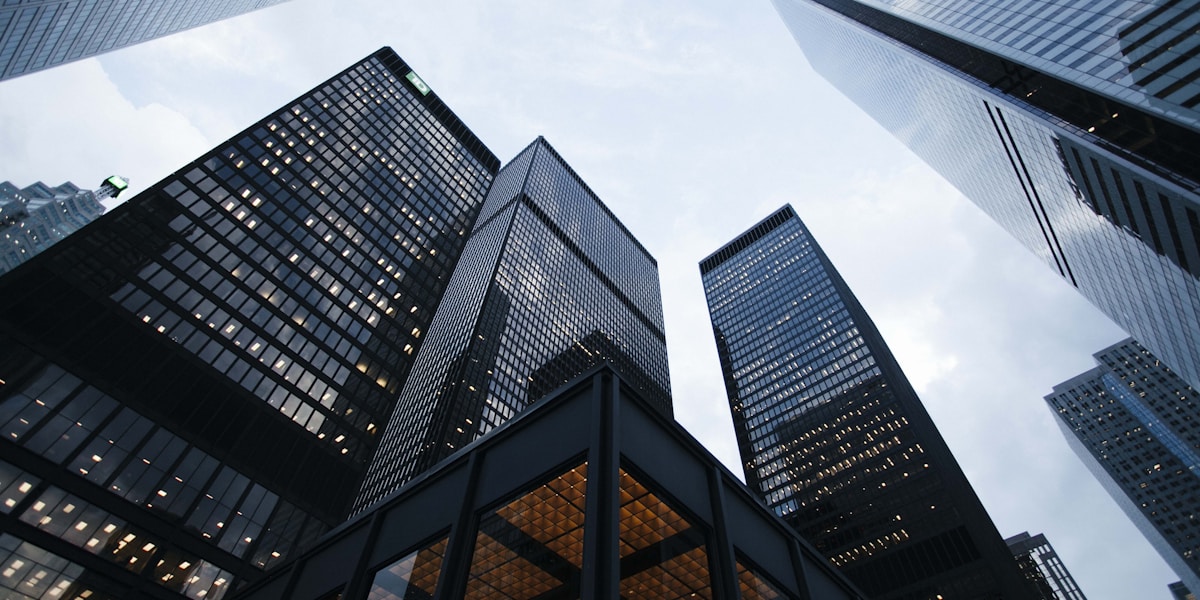
AB 2074: Downtown High-Rise Streamlining Creates Blueprint for Future Pacific Beach Transit Corridor Development
California Assembly Bill 2074, introduced April 13, 2026, streamlines high-rise approvals in downtown San Diego with a $500 million state-backed loan fund. Suffolk Construction topped out a 17-story, 261-unit tower in Bankers Hill the same day.
While AB 2074 currently targets urban cores, the transit-oriented development precedent signals future density opportunities for Pacific Beach, La Jolla, and Mission Beach builders as SANDAG expands regional transit infrastructure. The legislation pairs ministerial approval with state financing, creating policy infrastructure that historically migrates to coastal communities once proven effective downtown.
California Assembly Bill 2074, introduced April 13, 2026, streamlines high-rise approvals in downtown San Diego with a $500 million state-backed loan fund. The same day, Suffolk Construction topped out a 17-story, 261-unit tower in Bankers Hill, proving San Diego can build vertically. While AB 2074 currently targets urban cores, the transit-oriented development precedent signals future density opportunities for Pacific Beach, La Jolla, and Mission Beach builders as SANDAG expands regional transit infrastructure.
Breaking: AB 2074 Introduced April 13, 2026 to Streamline High-Rise Housing Approvals in San Diego
Assemblymember Matt Haney (D-San Francisco) introduced AB 2074 – the Downtown High Rises Act on April 13, 2026, with the explicit goal of revitalizing struggling urban cores across California's seven largest cities, including San Diego. The legislation passed the California Assembly Housing Committee on April 8, 2026, and is expected to reach the Assembly floor for a vote by the end of May 2026, with potential Governor signature by year-end.
AB 2074 requires California's seven largest transit-rich cities – Los Angeles, San Diego, San Jose, San Francisco, Sacramento, Oakland, and Long Beach (all with populations exceeding 400,000) – to designate regional transit hub districts in their urban cores by mid-2027. Within these designated districts, high-density housing developments would be treated as an allowed use and eligible for streamlined, ministerial approval, eliminating the subjective discretionary review process that traditionally delays or blocks construction projects.
The legislation pairs permitting streamlining with a proposed $500 million Downtown Revitalization Loan Fund administered by the California Housing Finance Agency. This revolving fund provides low-interest loans to qualifying high-rise residential and mixed-use projects meeting state-defined labor and affordability benchmarks. As developers repay loans with interest upon project completion, the fund becomes revenue-neutral while supporting additional developments – a critical financing mechanism addressing the capital gaps that frequently stall approved high-rise projects.
"Downtowns are actually some of the best places to build housing," Assemblymember Haney stated, citing existing transit infrastructure, employment centers, and cultural amenities that make urban cores ideal for dense residential development. San Diego Mayor Todd Gloria echoed this sentiment, noting that housing development catalyzes retail growth and job creation in downtown areas currently experiencing office vacancy rates exceeding 30%. This approach mirrors the SB 79 transit-oriented development framework that already overrides local height limits near major transit stops.
Suffolk Construction Tops Out 17-Story Bankers Hill Tower – Proving San Diego's Vertical Construction Capacity
In a remarkable coincidence underscoring San Diego's vertical construction potential, Suffolk Construction announced the topping out of The Quince on April 13, 2026 – the same day AB 2074 was introduced. This 17-story residential tower in Bankers Hill represents the largest high-rise project Suffolk has delivered in San Diego's coastal communities, demonstrating both market demand and construction feasibility for vertical housing.
The Quince project specifications:
- 17 stories
- 261 residential units
- Approximately 395,000 square feet
- Multiple pools, spa, gym, community kitchen, and dining area
- 5,631 square feet of ground-floor commercial space
- Below-grade parking garage
- Completion targeted for late 2026
Developed by CAST Development and designed by Works Progress Architecture (Portland-based), The Quince occupies the southwest corner of Fourth Avenue and Spruce Street in Bankers Hill. The project site sits atop the highest point of Bankers Hill overlooking the historic Quince Bridge, offering lower-floor units intimate canyon views and upper-floor units unobstructed 200-degree ocean views toward the Pacific.
Works Progress Architecture describes the design as "a physical conclusion to Maple Canyon," with a void carved out of the building's massing at the canyon's head to reveal an outdoor amenity plaza. The clean white facade with arched windows evokes the modernist vernacular of San Diego architectural legend Irving Gill, demonstrating how contemporary high-rise construction can honor local design traditions.
Suffolk Construction utilized precast facade panels fabricated offsite by Clark Pacific in Adelanto, California – approximately 450 panels totaling more than 125,000 square feet. This prefabrication approach significantly accelerates construction timelines while maintaining quality control, a lesson directly applicable to future coastal high-rise projects as streamlining policies expand beyond downtown.
What is AB 2074? Understanding California's High-Rise Affordable Housing Streamlining Legislation
AB 2074 represents a comprehensive legislative approach to addressing California's housing crisis by removing regulatory barriers for vertical development in transit-rich downtown areas. The bill includes four major components:
1. Increased Allowable Density in Designated Downtown Transit Zones
Cities must identify geographic areas where high-rise growth is expected and establish minimum density requirements within those zones. These standards supersede local zoning restrictions that previously limited building heights and unit counts, creating predictable development parameters for builders and investors.
2. Streamlined Ministerial Approval for Qualifying Projects
Projects meeting state-defined criteria receive ministerial approval – a process involving only fixed standards and objective measurements, eliminating subjective judgment by planning officials. This bypasses the traditional discretionary review process where community opposition or political considerations can delay or prevent construction regardless of compliance with zoning codes.
Ministerial approval timelines are strictly regulated: 90 days for projects with 150 dwelling units or fewer, and 180 days for projects exceeding 150 units. Local governments cannot adopt or impose additional requirements – including increased fees or inclusionary housing mandates – solely because a project qualifies for streamlined approval.
3. Labor Standards and Prevailing Wage Requirements
Eligibility for streamlined approvals ties directly to compliance with state labor standards, ensuring union protections and prevailing wages accompany development incentives. This provision secured crucial support from the State Building and Construction Trades Council of California and the San Diego Building Construction Trades Council, aligning housing production with quality construction jobs.
4. State-Backed Financing Through $500 Million Revolving Loan Fund
The Downtown Revitalization Loan Fund addresses a critical obstacle: high-rise projects frequently secure entitlements but fail to break ground due to financing gaps. Traditional lenders often hesitate to fund vertical construction in markets without recent comparable projects, creating a chicken-and-egg problem. The state-backed fund bridges this gap with low-interest loans, becoming revenue-neutral as repayments support subsequent projects.
How Downtown Precedents Influence Future Coastal Development Policies in Pacific Beach
While AB 2074 explicitly targets downtown San Diego and other urban cores, the legislation establishes regulatory and financing precedents that historically migrate to coastal communities once proven effective. Understanding this policy evolution pattern is critical for Pacific Beach, La Jolla, Mission Beach, and Bird Rock builders positioning for future density opportunities.
The Policy Migration Pattern: Downtown to Coast
California housing legislation typically follows a predictable path: 1) Pilot programs in large urban centers, 2) Evaluation of effectiveness and unintended consequences, 3) Refinement based on implementation lessons, and 4) Expansion to suburban and coastal areas as political support builds.
Recent examples include:
- SB 9 (2021): Started with urban lot splits, expanded statewide to single-family zones including coastal communities
- ADU streamlining (2016-2024): Initial focus on urban infill, now standard practice in Pacific Beach and La Jolla with faster coastal development permits for ADUs
- Density Bonus Law evolution: Originated for urban projects, now regularly applied in coastal neighborhoods (see: Pacific Beach Turquoise Tower controversy)
AB 2074's ministerial approval framework and state financing mechanisms establish infrastructure that can extend to transit-adjacent coastal areas as SANDAG expands regional transportation networks.
Transit-Oriented Development: Where Could AB 2074-Style Streamlining Apply in Pacific Beach?
Pacific Beach's future density potential hinges on transit corridor designations under SANDAG's regional planning framework. While the neighborhood lacks the high-frequency rail service currently required for AB 2074 eligibility, ongoing transit investments create future streamlining opportunities.
Existing Transit Infrastructure
The Mid-Coast Trolley extension (opened November 21, 2021) brought the UC San Diego Blue Line to University City, with the Balboa Avenue station serving as the closest connection to Pacific Beach. However, the trolley does not extend directly into Pacific Beach along Mission Boulevard or Garnet Avenue – yet.
SANDAG Transit Corridor Designations
SANDAG's 2021 Regional Plan identifies "major transit stops" along corridors including Mission Boulevard, La Jolla Boulevard, and potentially areas connecting to the Balboa Avenue station. These designations matter: SB 79, effective July 1, 2026, overrides local height and density limits to allow housing projects up to 95 feet in height and 160 dwelling units per acre within one-half mile of qualifying transit stops in San Diego County.
SB 79 applies to "Tier 2 TOD stops" including the San Diego Trolley and high-quality bus rapid transit corridors. As SANDAG implements "Complete Corridors" and "Flexible Fleets" initiatives – including neighborhood shuttles operating in Pacific Beach – additional areas may qualify for transit-oriented streamlining.
Future Transit Expansion Scenarios
Pacific Beach builders should monitor three potential transit expansions that could trigger AB 2074-style streamlining:
- Balboa Avenue Corridor Intensification: Enhanced bus rapid transit or future rail connection from the Balboa Avenue trolley station toward the coast
- Mission Boulevard Transit Priority: Dedicated bus lanes or streetcar along Mission Boulevard connecting Pacific Beach to Mission Valley transit centers, with potential connections to coastal recreation destinations like Tourmaline Surfing Park and Crystal Pier
- Garnet Avenue Commercial Corridor: Transit improvements supporting mixed-use density along the primary commercial spine
As SANDAG plans transit improvements along Mission Boulevard, corridors connecting inland areas to coastal recreation destinations like Tourmaline Surfing Park may qualify for enhanced transit service designations. Pacific Beach's identity centers on coastal access points like Crystal Pier and recreational amenities that development policies must balance with housing density goals. Builders who understand vertical construction economics and density policy mechanics today will be positioned to capitalize when streamlining expands to these coastal transit corridors in the next 3-5 years.
High-Rise Construction Economics: What Suffolk's Project Reveals About Vertical Building Costs and Feasibility
The Quince's successful topping out provides critical market intelligence about high-rise construction feasibility in San Diego's coastal markets. While CAST Development has not disclosed total project costs, industry benchmarks and construction specifications offer insight into vertical building economics.
Construction Cost Factors for High-Rise Projects
High-rise construction in San Diego faces distinct cost pressures compared to low-rise or mid-rise development:
- Structural systems: Buildings exceeding 5-6 stories require concrete or steel frame construction rather than wood framing, increasing costs but enabling greater heights
- Vertical transportation: Elevator systems represent significant capital and ongoing maintenance expenses, typically requiring one elevator per 50-75 units in residential towers
- Facade engineering: The Quince's precast panel system demonstrates cost-effective approaches, with offsite fabrication controlling labor expenses while maintaining quality
- Foundation engineering: Deeper foundations and seismic design requirements for tall buildings add 15-25% to structural costs compared to low-rise construction
- Parking solutions: Below-grade parking garages cost $40,000-$60,000 per space in San Diego, compared to $15,000-$25,000 for surface or above-grade structured parking
General residential construction costs in San Diego range from $300-$500 per square foot for luxury projects in 2026. High-rise construction typically adds 20-35% to these baseline costs due to structural, elevator, and foundation requirements, suggesting The Quince's 395,000 square feet represents approximately $150-$200 million in total development costs (land, construction, soft costs, and financing).
Economies of Scale in Vertical Construction
Despite higher per-square-foot costs, high-rise projects can achieve superior land efficiency. The Quince delivers 261 units on a site previously occupied by a 4-story office building, a 1-story storefront, and a single-family home – a dramatic increase in residential density on the same land footprint.
For Pacific Beach builders, this efficiency matters: as land costs in coastal neighborhoods continue escalating (prime lots now exceed $500-$800 per buildable square foot), vertical construction becomes economically necessary to achieve project feasibility. AB 2074's streamlined approvals and state financing reduce risk premiums that previously made high-rise construction financially marginal in secondary markets like San Diego's beach communities.
Mixed-Use and Affordable Housing Components: Understanding AB 2074's Density Bonus Structure
AB 2074 incorporates affordability provisions and mixed-use requirements that builders must understand to qualify for streamlined approvals and state financing.
California Density Bonus Law Integration
AB 2074 projects can stack density bonuses under existing state law (Government Code Section 65915), which allows up to 50% additional units beyond base zoning in exchange for affordable housing set-asides. A 2024 analysis found that 47% of multifamily projects now utilize density bonuses, up from under 20% before 2020 reforms increased bonus percentages.
Qualifying affordable housing thresholds include:
- Very low-income (50% AMI): Minimum 5% of base units triggers density bonus eligibility
- Lower-income (80% AMI): Minimum 10% of base units for rental projects
- Moderate-income (120% AMI): Minimum 10% of base units for for-sale condominium projects
These density bonuses can be stacked with AB 2074's streamlining, potentially allowing projects significantly larger than underlying zoning while bypassing discretionary review. The California Density Bonus Law facilitated approval of over 140,000 homes statewide, with over 69,000 deed-restricted affordable units created through the program.
Mixed-Use Ground Floor Requirements
AB 2074 emphasizes mixed-use development with ground-floor commercial space activating street frontages in downtown transit districts. The Quince includes 5,631 square feet of commercial space, demonstrating this mixed-use approach. For Pacific Beach applications, ground-floor retail or restaurant space along transit corridors like Garnet Avenue or Mission Boulevard would align with AB 2074's transit-oriented development model.
Coastal vs. Downtown Development Challenges: Why Pacific Beach Faces Different Regulatory Constraints
While AB 2074 creates streamlining precedents, Pacific Beach builders face unique coastal development constraints that limit direct application of downtown-focused legislation.
The 30-Foot Coastal Height Limit
San Diego voters approved Proposition D in 1972, establishing a 30-foot coastal height limit in the Coastal Height Limit Overlay Zone covering Pacific Beach, Mission Beach, Ocean Beach, and portions of La Jolla. This voter-approved restriction creates a uniform three-story townscape from Point Loma to La Jolla, fundamentally different from downtown San Diego's high-rise development patterns. A recent Bird Rock ballot initiative reaffirmed strong community support for coastal height protections.
The 30-foot limit includes all elements projected above the roof: HVAC equipment, vents, pipes, antennas, and decorative features. Height measurement extends to the highest point, making compliance challenging for contemporary building systems requiring rooftop mechanicals.
Density Bonus Law vs. Coastal Height Limits
The controversial Pacific Beach Turquoise Tower case illustrates tension between state density bonus law and local coastal height restrictions. The proposed 23-story, 239-foot tower – nearly eight times the 30-foot coastal limit – relied on stacking multiple density bonuses to transform a 31-unit base zoning into a 213-unit mixed-use tower.
In June 2022, state housing officials issued guidance indicating that Density Bonus Law can, in qualifying cases, allow projects to exceed voter-adopted height limits when needed to deliver required affordable homes. However, projects in the Coastal Zone must still address coastal resource protections under the California Coastal Act and San Diego's certified Local Coastal Program, with some approvals appealable to the California Coastal Commission.
San Diego city officials rejected the Turquoise Tower in February 2026, demonstrating that despite state streamlining laws, coastal communities retain significant local control over development character. Additionally, SB 92 (effective January 1, 2026) closed the "hotel loophole" by capping commercial space at 2.5x local zoning and excluding transient lodging from density bonus benefits.
California Coastal Commission Authority
The California Coastal Commission maintains jurisdiction over development in the Coastal Zone, requiring Coastal Development Permits (CDP) for most substantial construction. While ADUs in non-appealable areas (generally more than 50 feet from bluff edges) now qualify for city-issued CDPs rather than full Commission review, larger projects face additional scrutiny. Understanding the coastal development permit process and timelines is critical for any Pacific Beach builder.
AB 2074's ministerial approval framework does not override Coastal Commission authority, meaning Pacific Beach high-rise projects would still require coastal resource protection analysis even if they qualified for streamlined planning approvals. This creates a dual-track review process absent in downtown San Diego.
Builder Preparation Strategies: Monitoring Transit Planning and Developing Vertical Construction Capabilities
Forward-thinking Pacific Beach builders can prepare for future density opportunities by taking strategic steps today, even before AB 2074-style streamlining directly applies to coastal neighborhoods.
1. Monitor SANDAG Transit Planning and Corridor Designations
Attend SANDAG board meetings and review Regional Transportation Plan updates identifying future transit investments. Focus on:
- "Complete Corridors" implementation along Mission Boulevard and Garnet Avenue
- "Flexible Fleets" neighborhood shuttle routes qualifying as transit service
- Bus rapid transit planning studies for coastal connections
- Light rail extension feasibility analyses beyond the current Balboa Avenue terminus
Properties within one-half mile of designated "major transit stops" gain eligibility for SB 79 streamlining (effective July 1, 2026), allowing up to 95 feet in height and 160 dwelling units per acre regardless of local zoning. Understanding which Pacific Beach parcels may eventually qualify positions builders to acquire strategic sites before transit designations increase land values.
2. Develop Vertical Construction Partnerships and Expertise
Suffolk Construction's success with The Quince demonstrates the specialized expertise required for high-rise projects. Pacific Beach builders should:
- Establish relationships with general contractors experienced in vertical construction (Suffolk, Turner, Webcor, Clark Construction)
- Partner with architects specializing in mid-rise and high-rise residential design
- Understand precast concrete and steel frame construction systems enabling taller buildings
- Study elevator and vertical transportation requirements for buildings exceeding 5-6 stories
- Familiarize with seismic engineering and foundation systems for San Diego's coastal soils
3. Master Density Bonus and Affordable Housing Mechanics
California's Density Bonus Law continues evolving, with recent changes increasing bonus percentages from 35% to 50% for higher affordable housing set-asides. The AB 87 density bonus reforms and Midway Rising's precedent-setting density bonus application show how builders can maximize project feasibility through these provisions.
Critically, learn from the Turquoise Tower controversy: community engagement and design sensitivity matter even when state law provides streamlining pathways. Projects perceived as exploiting loopholes face political opposition that can delay or derail development regardless of legal entitlements.
4. Track AB 2074 Implementation and Expansion
Monitor AB 2074's progress through the legislative process (expected Assembly floor vote by May 2026, potential Governor signature by year-end). If enacted, watch initial implementation in downtown San Diego during the mid-2027 regional transit district designation phase.
Successful downtown precedents build political support for expanding streamlining to transit-adjacent coastal areas. Builders who document lessons learned – what works, what creates community conflict, which design approaches succeed – will be prepared when policies migrate to Pacific Beach.
5. Engage in Local Planning and Community Dialogue
Participate in Pacific Beach Planning Group meetings, community plan updates, and corridor-specific planning studies. Building trust with community stakeholders before proposing high-density projects increases approval likelihood even with streamlined ministerial processes.
Works Progress Architecture's design for The Quince demonstrates how contemporary high-rise construction can honor local architectural traditions (modernist Irving Gill influence) while achieving density goals. Developing similar design sensibility for Pacific Beach's beach culture and architectural character differentiates thoughtful builders from opportunistic developers. Understanding how density projects can complement rather than compromise community assets like Kate Sessions Park, Tourmaline Surfing Park, and Crystal Pier demonstrates respect for the neighborhood's coastal recreation identity that has defined Pacific Beach since its founding.
Timeline and Next Steps: When Could AB 2074-Style Streamlining Expand to Pacific Beach?
Understanding realistic timelines for policy migration from downtown to coastal areas helps builders plan strategic investments and partnership development.
AB 2074 Legislative and Implementation Timeline
- April 8, 2026: AB 2074 passed California Assembly Housing Committee
- Late May 2026 (projected): Assembly floor vote
- Summer 2026: Senate committee review and potential amendments
- Fall 2026: Senate floor vote if committee passage achieved
- December 2026 (projected): Potential Governor signature if both houses approve
- Mid-2027: Designated deadline for seven largest cities to create regional transit hub districts
- 2028-2029: Initial projects utilizing AB 2074 streamlining break ground in downtown San Diego
- 2029-2031: Evaluation of downtown implementation effectiveness
- 2031-2033 (estimated): Potential expansion legislation extending streamlining to transit-adjacent coastal neighborhoods
Parallel Transit Infrastructure Development
AB 2074-style streamlining expansion to Pacific Beach requires corresponding transit infrastructure triggering "major transit stop" designations. SANDAG's Regional Plan implementation timeline suggests:
- 2026-2028: Complete Corridors planning and community engagement for Mission Boulevard and Garnet Avenue
- 2028-2030: Flexible Fleets neighborhood shuttle implementation in Pacific Beach
- 2030-2035: Potential bus rapid transit construction on key corridors
- Post-2035: Light rail extension feasibility studies for coastal connections
The realistic timeline for AB 2074-equivalent streamlining applying directly to Pacific Beach is 7-10 years (2033-2036), assuming successful downtown implementation and transit corridor development. However, precedent-setting occurs much sooner, making the next 2-3 years critical for builder education and strategic positioning.
Subcontracting Opportunities: High-Rise Projects Create Specialized Trade Demand
AB 2074's labor standards requirements and the vertical construction boom create significant opportunities for Pacific Beach construction contractors to develop high-rise specialization.
Specialized Trades for Vertical Construction
The Quince project required specialized subcontractors including:
- Precast concrete fabrication and installation: Clark Pacific fabricated approximately 450 facade panels totaling 125,000+ square feet offsite
- Structural steel or concrete frame erection: High-rise buildings require tower crane operation and specialized forming systems
- Elevator installation and maintenance: Vertical transportation systems represent 5-8% of total construction costs in residential towers
- Facade engineering and curtain wall installation: Performance glazing systems balancing coastal weather exposure with energy efficiency
- MEP coordination in high-rise environments: Mechanical, electrical, and plumbing systems requiring vertical distribution and code-compliant fire protection
Prevailing Wage and Labor Standards Compliance
AB 2074 ties streamlined approval eligibility to prevailing wage compliance and labor standards, ensuring union-scale compensation and apprenticeship participation. Contractors who establish relationships with union training programs and develop certified apprenticeship pipelines position themselves for AB 2074 project opportunities. As San Diego faces ongoing construction labor shortages, developing skilled high-rise trade expertise becomes increasingly valuable.
The State Building and Construction Trades Council of California and San Diego Building Construction Trades Council strongly support AB 2074 specifically because of these labor protections, creating a political alignment between housing production and construction workforce development.
Conclusion: Positioning for Pacific Beach's Vertical Construction Future
AB 2074's April 13, 2026 introduction and Suffolk Construction's same-day topping out of The Quince in Bankers Hill represent converging trends that will reshape San Diego's approach to housing density over the next decade. While the legislation currently targets downtown urban cores, the streamlining precedents, ministerial approval frameworks, and $500 million state financing mechanism establish policy infrastructure that will eventually migrate to transit-adjacent coastal neighborhoods including Pacific Beach, La Jolla, Mission Beach, and Bird Rock.
The policy migration pattern is predictable: downtown today, coastal corridors tomorrow. California housing legislation consistently follows this trajectory – piloting in large urban centers, evaluating effectiveness, refining based on implementation lessons, and expanding to suburban and coastal areas as political support builds. Pacific Beach builders who understand this evolution can position strategically for density opportunities arriving in 7-10 years as SANDAG expands transit infrastructure and streamlining policies proven successful downtown extend to beach communities.
Suffolk's 17-story success demonstrates both market appetite for vertical housing in San Diego's coastal markets and construction feasibility using contemporary techniques like precast facade systems and efficient structural engineering. The project's 261 units on a site previously occupied by low-rise buildings proves land efficiency necessary as coastal property values continue escalating beyond $500-$800 per buildable square foot.
Critical preparation steps for Pacific Beach builders include monitoring SANDAG transit planning for corridor designations that trigger SB 79 streamlining (effective July 1, 2026), developing vertical construction partnerships with experienced high-rise contractors and architects, mastering California Density Bonus Law mechanics, tracking AB 2074 implementation in downtown San Diego, and engaging in community planning processes to build stakeholder trust before proposing high-density projects.
The tension between state housing mandates and local coastal character protections will define the next chapter of Pacific Beach development. The Turquoise Tower controversy demonstrates that despite state density bonus law theoretically enabling height limit overrides, community opposition and design insensitivity can derail projects regardless of legal entitlements. Builders who learn from both Suffolk's Bankers Hill success (honoring local architectural traditions while achieving density goals) and the Turquoise Tower failure (perceived loophole exploitation generating political opposition) will navigate this complex regulatory landscape most effectively.
Downtown today, coastal corridors tomorrow – this is the trajectory AB 2074 establishes. Pacific Beach builders who understand vertical construction economics, transit-oriented development policy evolution, and community engagement best practices will be positioned to capitalize when streamlining expands to beach neighborhoods' transit corridors. The next 2-3 years represent a critical education and partnership development period, preparing for density opportunities that will arrive as SANDAG's transit infrastructure reaches coastal communities and proven downtown policies migrate westward toward the ocean.
References and Sources
1. New California bill seeks to spur more high-rise housing developments in cities' urban cores. KPBS. 2026-04-13. Accessed 2026-04-15.
2. Suffolk tops out 17-story Bankers Hill residential tower The Quince in San Diego. California Construction News. 2026-04-13. Accessed 2026-04-15.
3. Legislation Moving to Make It Easier to Build High-Rises Near Transit in CA's Seven Largest Cities. Streetsblog California. 2026-04-14. Accessed 2026-04-15.
This article provides general information about AB 2074, transit-oriented development policy, and high-rise construction trends for educational purposes. Legislative timelines, density bonus requirements, transit corridor designations, and coastal development regulations can vary significantly by project type, location, and specific circumstances. Always consult with qualified professionals—land use attorneys, planning consultants, and licensed contractors—before making development decisions. Pacific Beach Builder provides professional construction services with expertise in coastal zone regulations, density policy compliance, and vertical construction coordination throughout Pacific Beach, La Jolla, Mission Beach, Bird Rock, and San Diego County.